Advice for Hikers new to Scotland’s Mountains from Scottish Mountain Rescue
In this article, we’re sharing insights from Mike McLaggan, SMR’s Equipment Officer and a long‑serving member of Tayside Mountain Rescue Team. Mike contributes regularly to SMR’s winter safety content and brings decades of first‑hand experience from callouts in Scotland’s demanding mountain environments.
We asked Mike for some insight into how conditions and decision‑making can differ between Scotland and England & Wales, from latitude and weather volatility to mountain location, height, terrain and remoteness. For anyone planning their first hike in Scotland’s higher mountains, this guidance is invaluable because Scottish terrain, weather and remoteness present challenges that many walkers hiking in England & Wales haven’t encountered before.
Below Mike shares exactly the kind of practical insight that will help a hiker new to Scottish Mountains to prepare properly, choose safer routes, and build the confidence needed to enjoy Scotland’s spectacular but unforgiving winter landscapes.
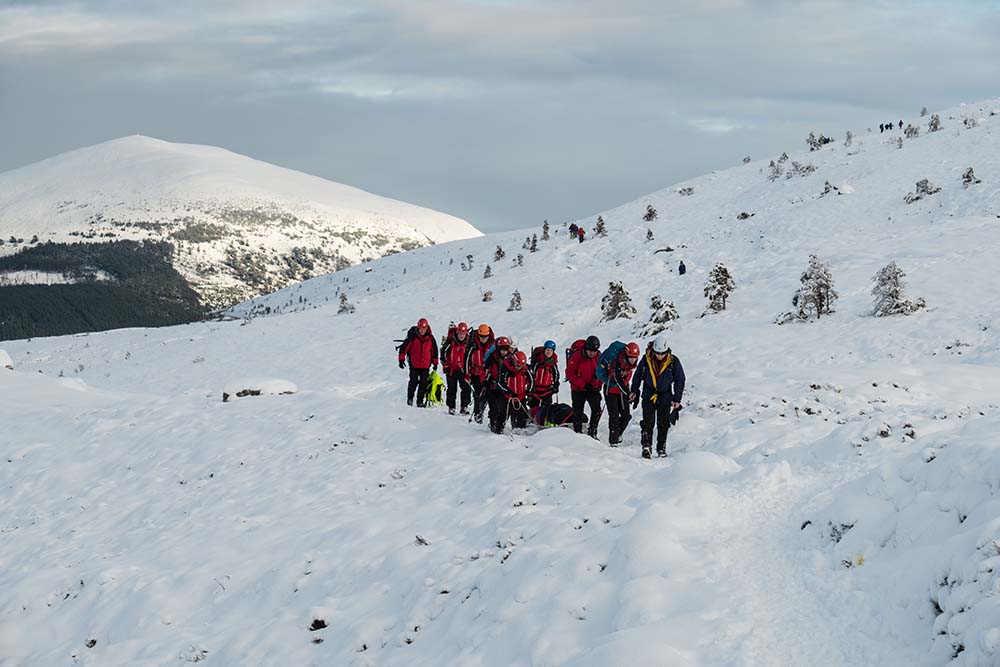
What are the key differences between hiking in England, Wales and Scotland?
I will start by saying that full winter mountain conditions can occur everywhere depending on the weather. The Lake District in England and Eryri (Snowdonia) in Wales have mountain areas that are comparable in height with Scotland and as such winter navigation can be a similar challenge.
However, here are my some of my thoughts of the differences between hiking in Scotland and England / Wales and things to be aware of for planning and navigation on the hill.
Latitude
By definition the Highlands of Scotland are further to the North and as such experience colder temperatures.
Weather
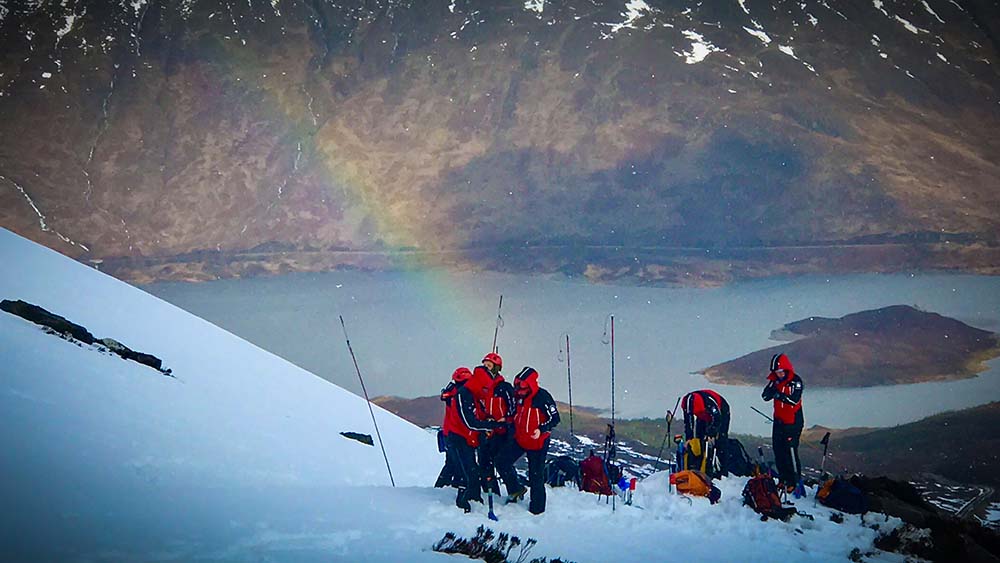
Due to its location Scotland can experience very rapid changes in weather patterns. This affects the mountains dramatically. Temperature, wind and precipitation have an impact for conditions on the ground. For example, Snow/ice, avalanche conditions, rapid thaw, rapid freeze the list is endless. In poor Winter weather good navigation is crucial. It’s important that people use all the planning tools and information at their disposal.
Important Planning Tools to Check
Location
Many of Scotland’s bigger mountains are central and away from the coast. Areas such as the Cairngorms can experience Artic conditions due to location. In addition, hills in the North Western Highlands can be very wet which can lie as snow in Winter. Heavy rain coupled with snow melt can make even the smallest stream impassable. Getting around needs to be factored in, and in winter some roads may be impassable and snow gates closed on high road routes.
Important Planning Tools to Check
Height
Scotland has 282 Munro’s and 226 associated Munro tops (Hills over 914.4 / 3000ft), with some over 1219m (4000ft). This needs to be factored in as the air temperature falls with increased altitude.
Terrain
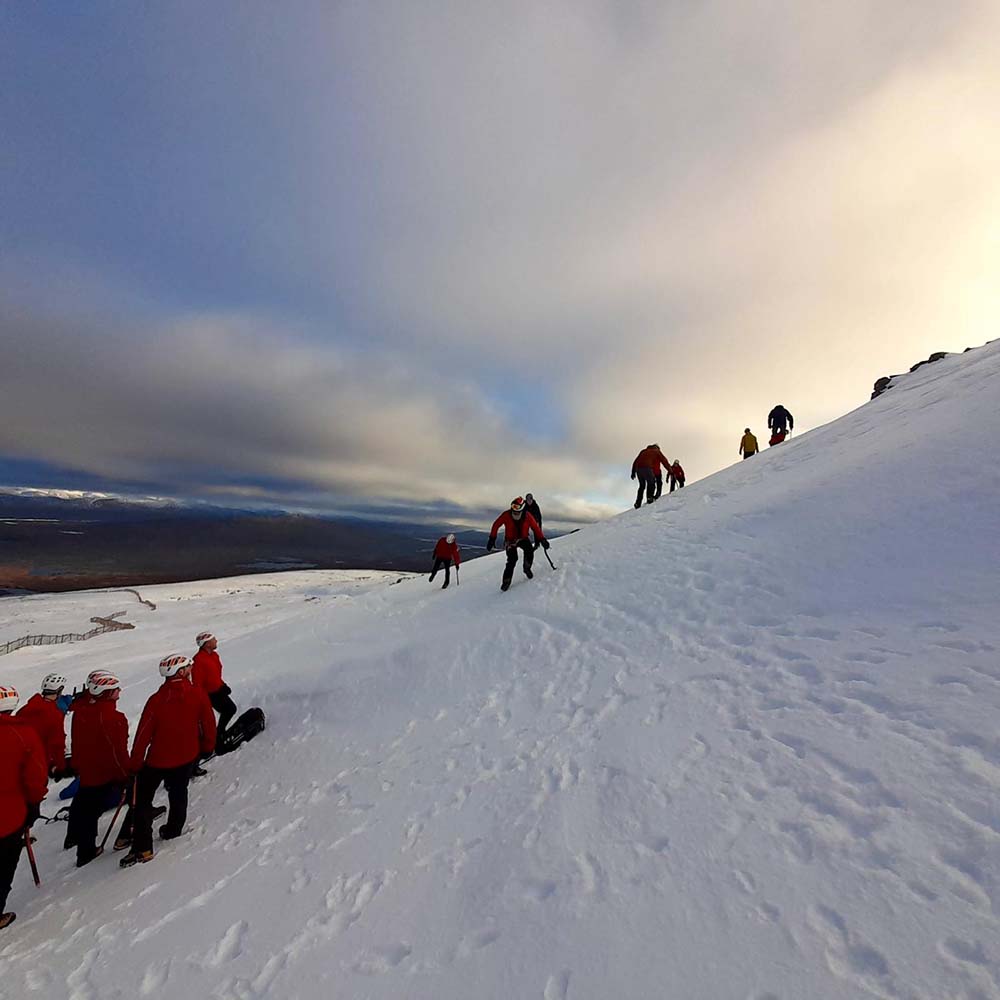
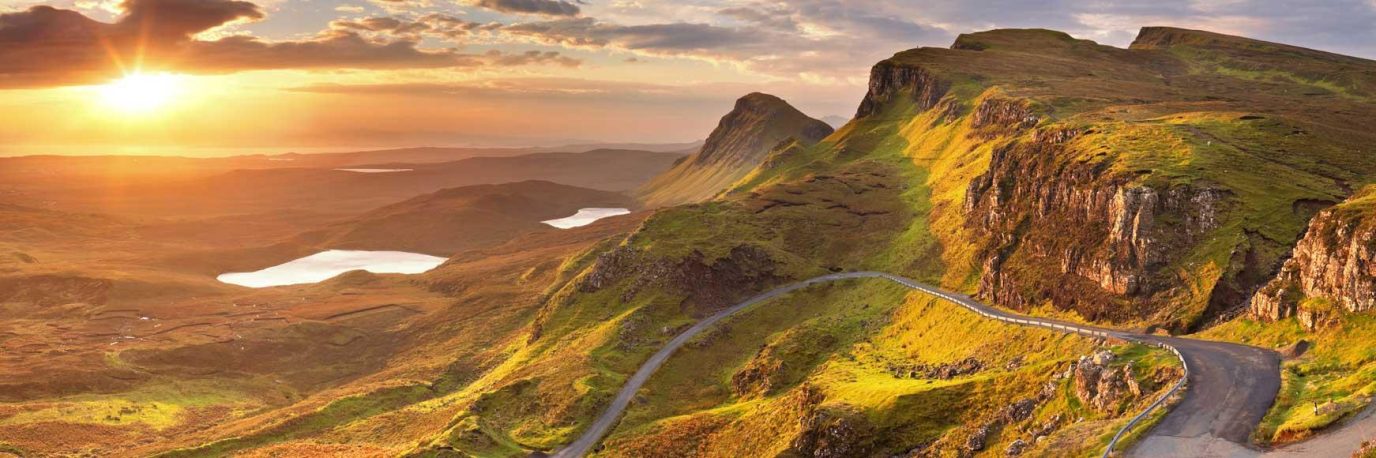
From the rolling hills in the East to the jagged peaks Cuillins in Skye, Scotland has a big variety of mountain terrain. Pacing and timing are crucial tools in the navigational armoury especially on plateau type ground and where cornices are present. Summer hill walks can become serious mountaineering undertakings in Winter where careful route selection is required.
Remoteness
Many of our major peaks are very remote and far away from rescue. Area’s such as Fisherfield, Knoydart, Glen Affric and Ben Alder are very serious expeditions especially in Winter. Pre-planning, Self-reliance and good navigation skills are a must.
Make sure you’re prepared for hiking in winter (wherever you are in the UK!)
Before you head into Scotland’s higher mountains this winter, take a moment to build your knowledge and confidence. Visit our Mountain Rescue advice hub for more essential guidance on planning, navigation and staying safe on the hill.
Articles by Mountain Rescue
Below, you can discover all the informative articles by Mountain Rescue in partnership with Ordnance Survey. Our goal is to share information about their remarkable efforts and ensure our community of walkers, hikers and trail runners remains safe while exploring the UK’s hills and mountains.

Winter Hiking Tips from Mountain Rescue – Staying Safe in the Dark
As the days get shorter it’s important to take extra precautions when getting outside. Mountain Rescue share their expert advice for staying safe in the dark.
Advice from Mountain Rescue
Mountain Rescue England and Wales share their expert advice to help you stay safe outdoors. Find out how to plan ahead, stay safe on the hills and how to call Mountain Rescue in an emergency.
Hill walking safety for beginners
OS Champion Phillipa Cherryson spends a day with the Brecon Mountain Rescue Team for some pointers on hill walking safety for beginners.