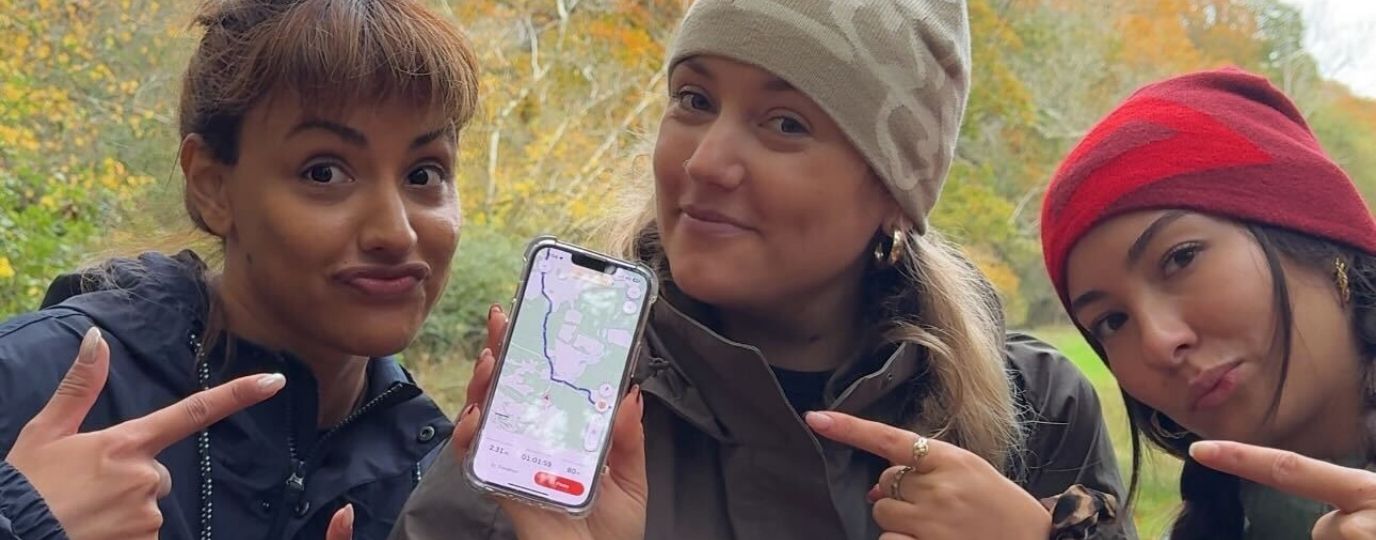
25 Powerful, Science‑Backed Reasons to Start Hiking Today
Discover 25 research‑backed benefits of hiking for your heart, mind and overall wellbeing, plus easy tips, kit basics and how our OS Maps App can help you get outside. Swap your next gym session for a health‑boosting hike in nature, your body and brain will thank you.
Why hiking is different from a walk around the block (or on the treadmill)
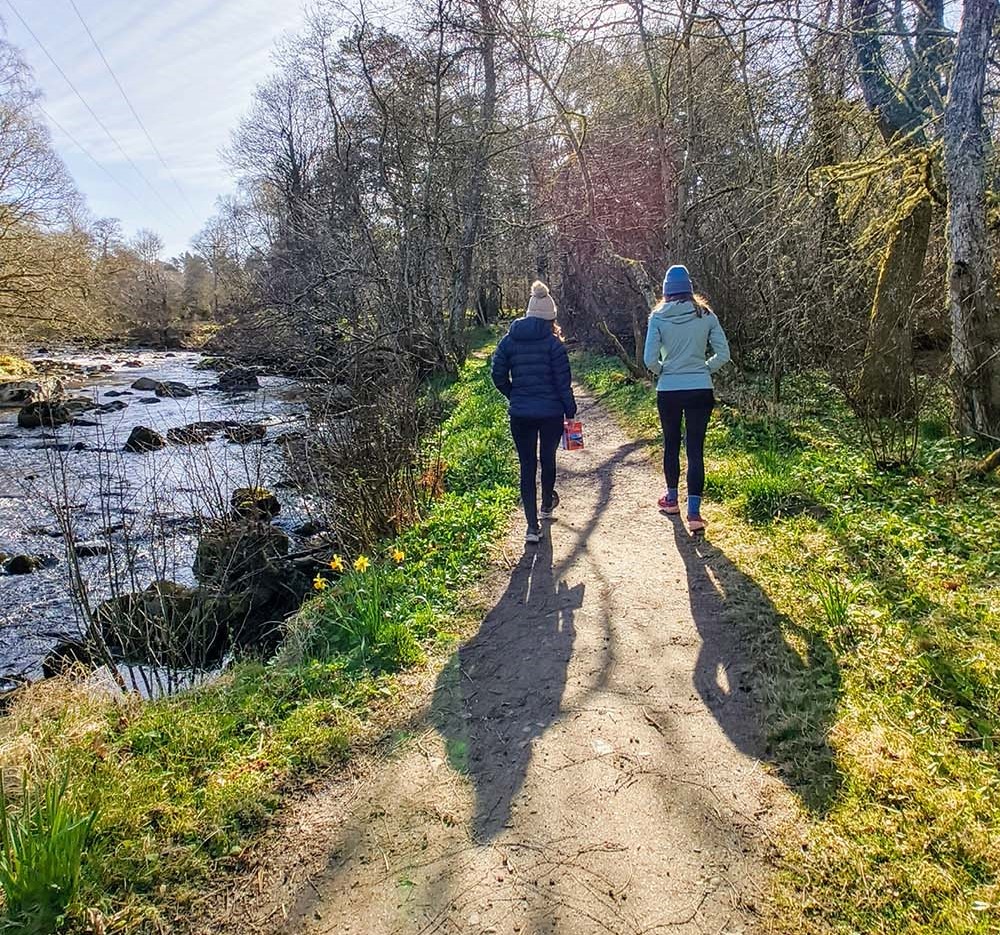
Hiking isn’t just good exercise, it gives you time in nature too, and that crucial combination does wonders for your body and mind. Research shows it can boost heart health, support your immune system, lift your mood and even ease symptoms of depression. Nature‑based hikes have also been shown to reduce anxiety and quiet those looping, negative thoughts far more effectively than similar walks in urban settings or training at the gym
If you’re looking for a way to feel healthier, think more clearly and reduce stress, hiking is hard to beat. Study after study shows that getting outside into nature and just walking, is one of the easiest ways to boost your wellbeing (while enjoying the best of Britain’s fabulous outdoors).
Quick tip:
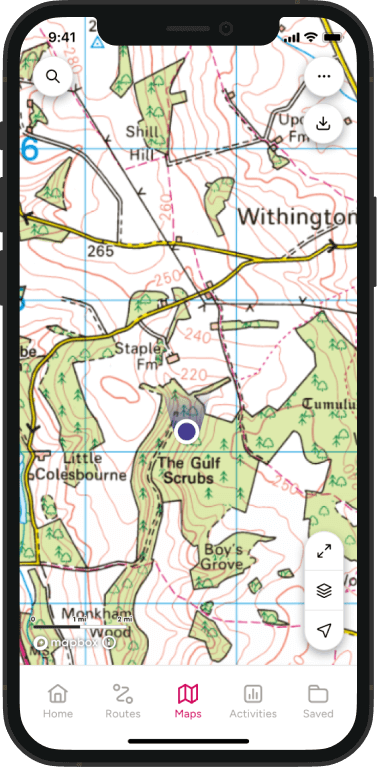
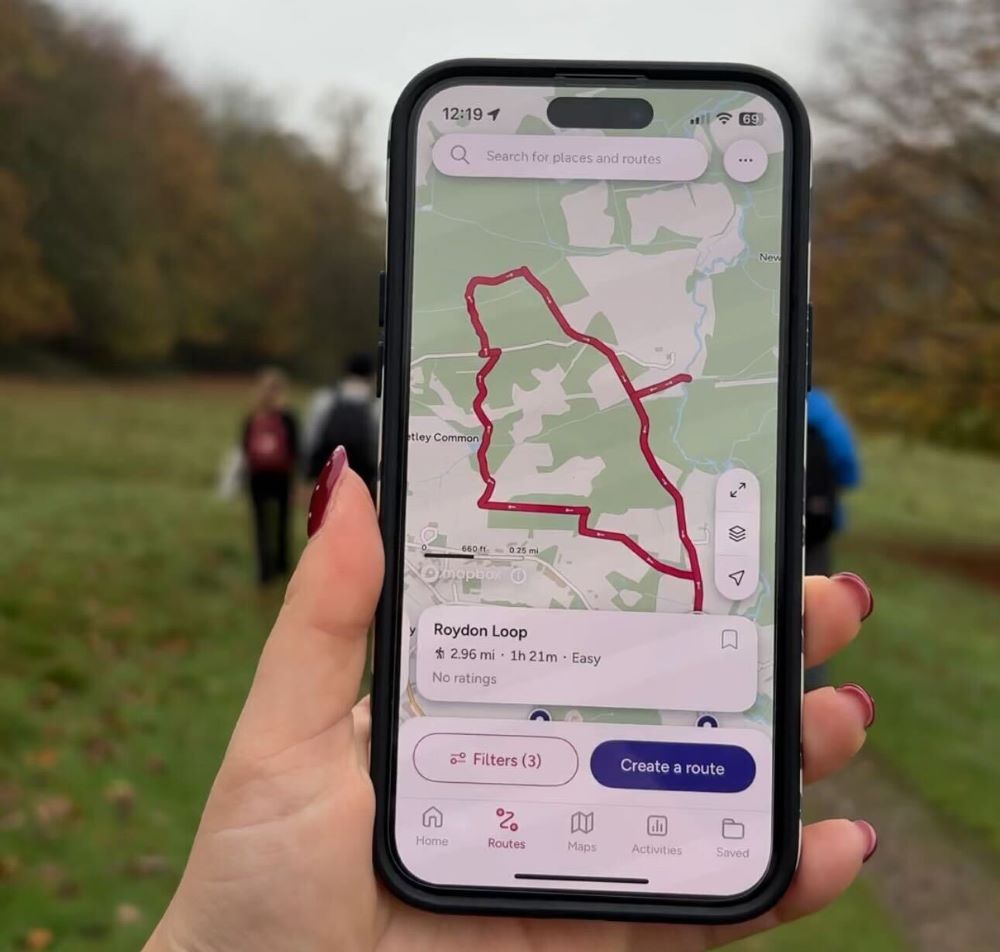
If you’re new to hiking, the OS Maps app makes it easy to discover local recommended walks and trails, check elevation and terrain, and follow trusted routes on your phone (even when offline) so you can focus on the views.
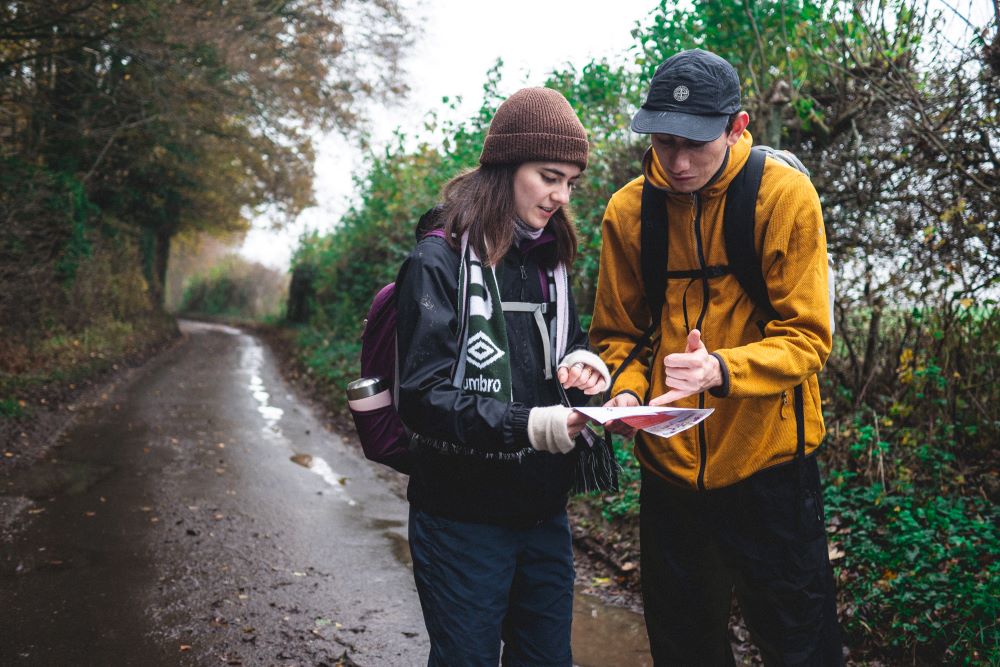
Physical health benefits of hiking
A stronger heart – Hiking improves cardiovascular function and lowers chronic disease risk, with hills and varied terrain adding a little extra training along the way1
Lower blood pressure – Trials of outdoor walking interventions have shown clinically meaningful drops in blood pressure.2
Longer life – Mortality risk falls substantially as daily steps rise, we should all aim for at least 7,000 steps/day, ideally of varied intensity. 3
Lose weight – Moderate hiking increases daily energy expenditure and smooths post‑meal glucose spikes and that helps with calorie control and weight management.4
Healthier cholesterol levels – Total cholesterol fell after subjects took on outdoor walking programmes 2
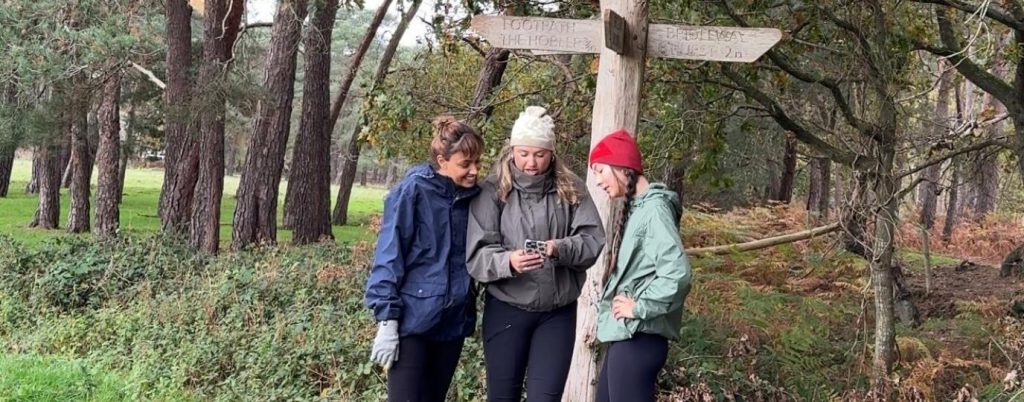
Better aerobic fitness – Studies show an increase in the volume of oxygen subjects used (a measure of cardiovascular health) after structured outdoor walking programmes.2
Steadier blood sugar – More daily movement is linked to lower type 2 diabetes risk; hikes readily lift you into the beneficial activity range.5
Muscles, bones, joints – Hiking wakes up your stabilising muscles, strengthens your bones and keeps your joints happy on varied terrain.6
Immune support – Research suggests outdoor hiking can help your immune system work more effectively.1
Balance & fall prevention – More steps and moderate activity correlate with reduced fall risk and better functional capacity which is key as we age.5
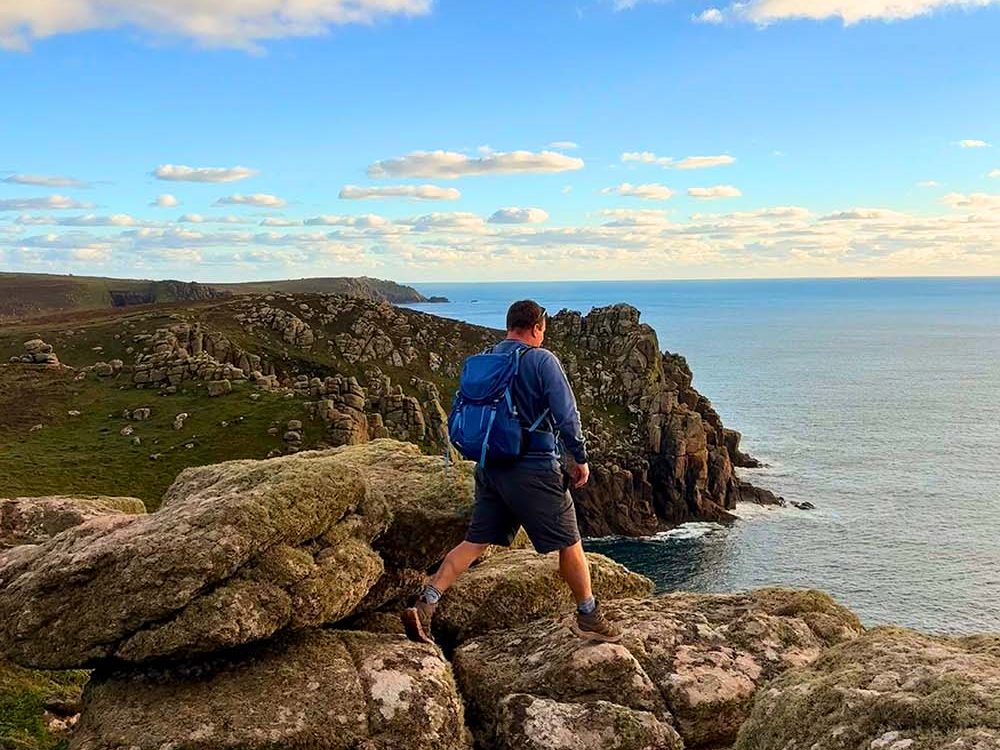
Benefits of hiking for mental wellbeing
Lower stress (fast) – Green spaces lower cortisol and heart rate; hiking shifts the body into a calmer parasympathetic (rest and digest) state.7
Happier after a single hike – On Forestry England wellbeing trails, just one nature‑connected walk increased happiness and reduced anxiety by over 25%.8
Fewer depressive symptoms – Hiking reduces depression scores via movement, nature exposure and social contact.1
Quiets the “worry centre” – A 90‑minute nature walk reduces activity in the subgenual prefrontal cortex (rumination/obsessive thinking); urban walks didn’t show the same effect.9
Creativity boost – Multi‑day hiking off‑grid has been shown to increase creative reasoning by 50%.10
Sharper focus – Attention Restoration Theory explains how nature’s “soft fascination” resets attention depleted by screens and decision fatigue.11
Long‑term brain health – Walking over 5000 steps is associated with lower dementia risk.5
Better sleep – Nature exposure helps settle the nervous system and supports more restorative sleep.12
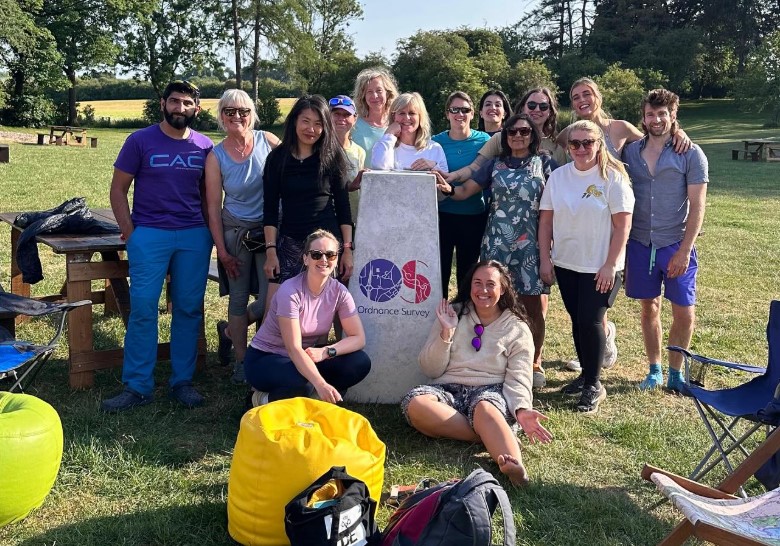
Social & lifestyle benefits of hiking
Connection & community – Hiking fosters social bonds; Forestry England Wellbeing‑trail walkers reported feeling better social connectedness after just one session.
Safe & beginner friendly – Studies show excellent participation and very few injuries for outdoor walking programmes, ideal for confidence and habit‑building.2
Accessible at every level – Minimal kit needed, scalable terrain, flexible distances.
Digital detox – Walking in nature naturally reduces notification overload; that shift in headspace is linked with improved mood and clarity.13
Habits that stick – Behavioural research shows activity increases can be sustained for 24–48 months with supportive tools and routines.3
Quality of life – Outdoor activity programmes improve physical functioning and overall wellbeing scores.3
“Nature medicine” – Green prescriptions (structured time outdoors) are increasingly used by clinicians to support mental health.13
How to start hiking (safely)
Pick an achievable route
Aim for 30–90 minutes at conversational pace on waymarked paths. Choose gentle elevation first, then add hills as fitness grows. (Starter resource: Hiking for Beginners – A Complete Guide.)
Use OS Maps to filter routes by distance or ascent. If you have OS Maps Premium, preview the terrain with our topographic layer and use the 3D flythrough to get a real feel for the amount of ascents and descents (ups and downs!) on your route.
Follow the “10%” progression
Increase your hiking time or elevation slowly, increase by around 10% each week or month depending on your usual activity levels to build fitness without any painful niggles. Pair this with mountain‑safety basics: Read our expert Advice from Mountain Rescue
Carry the essentials
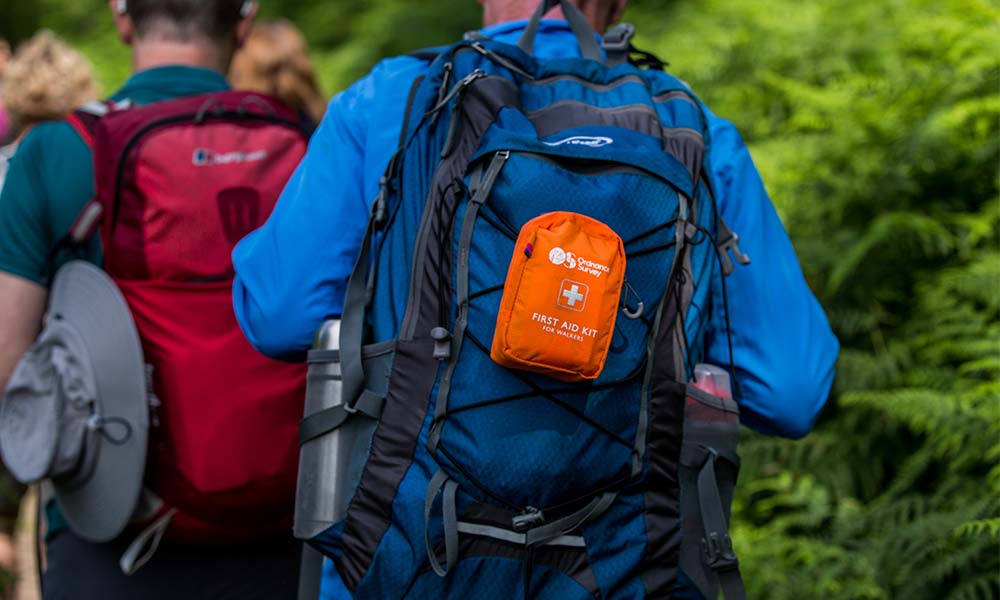
Use our Hiking Checklist for kit, layers and nav back‑ups.
Know where you are, even offline
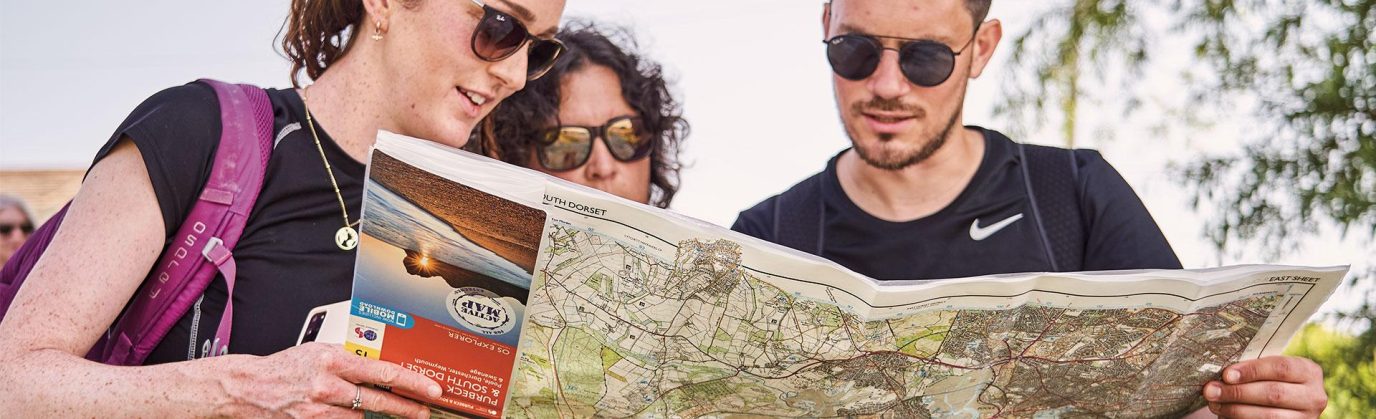
Download your route and maps for offline navigation and carry a paper map + compass. Skill up with Map Reading – Beginner Guides and How to Use a Compass.
Vary your green time
Forests, moors, riversides and coastal paths offer different sensory cues; variety helps mood and attention. (When you’re ready, try Planning a Walking Route in 5 Steps or these OS Maps video guides.)
Go responsibly
Brush up on The Countryside Code and Leave No Trace. Considering a bivvy or wild camp? Read our popular article Is Wild Camping Legal in England & Wales?.
Discover, save, download:
Open OS Maps, search your area, filter by difficulty/length, and save to a “Collection” to plan your season’s hiking in minutes.
Hiking Beginners FAQs
Is hiking safe for beginners?
Yes, start on well‑marked routes with gentle gradients and build gradually. For added safety, see our Mountain Rescue advice for beginner hill walking.
How often should I hike to see benefits?
You’ll feel mental benefits after a single nature‑connected hike; for physical health, aim for most days of light‑to‑moderate movement and one longer hike weekly. Mortality and disease‑risk studies show large gains as you approach 6,000–8,000 steps/day and beyond. Plan sustainable progress with our 26 Challenges to Become a Better Hiker.
What should I pack without overbuying?
Start with reading through our Hiking Checklist. (and don’t forget to download your route for offline use in OS Maps)
Any tips if I’m nervous about starting hiking alone?
Build gradually with How to Build Outdoor Confidence and consider local groups — see Benefits of Joining a Group.
Hiking delivers big, measurable health wins: a stronger heart, lower blood pressure, improved mood, sharper focus, better sleep and a deeper connection to the places we love. The science is robust – just take a look at all the research below. There aren’t many barriers to getting started and the benefits start almost immediately.
Open OS Maps, pick a route that matches your time and energy today, download it for offline use, and take your first (or next) step. Your body and brain will thank you at the summit and long after you’re home.
If you’d like to read more about the health benefits of hiking take a look at the articles and research studies referenced in this post
1. An integrative review of the physical, mental, and socioeconomic benefits of outdoor hiking (Frontiers in Public Health )
2.Is there evidence that walking groups have health benefits? A systematic review and meta-analysis (BMJ Journals)
3. Systematic reviews/meta‑analyses on outdoor walking groups and long‑term activity outcomes (BJSM; BMC Public Health)
4. After Dinner Rest a While, After Supper Walk a Mile? A Systematic Review with Meta-analysis on the Acute Postprandial Glycemic Response to Exercise Before and After Meal Ingestion in Healthy Subjects and Patients with Impaired Glucose Tolerance (PubMed Central)
5. Daily steps and health outcomes in adults: a systematic review and dose-response meta-analysis (The Lancet Public Health)
6. The Science Behind Why Walking Is So Good for You (Science News Today)
7. Meta-analysis of 15 studies reports new findings on how many daily walking steps needed for longevity benefit (Science Daily)
8. Forestry England Wellbeing Trails: Impact and Experiences. (University of Derby)
9. Nature experience reduces rumination and subgenual prefrontal cortex activation (National Library of Medicine)
10. Creativity in the Wild: Improving Creative Reasoning through Immersion in Natural Settings (PLOS)
11. The experience of nature: A psychological perspective. (Kaplan & Kaplan)
12. Does spending time outdoors reduce stress? A review of real-time stress response to outdoor environments (Science Direct)
13. A Walk in the Woods May Boost Mental Health (Harvard Medicine)
14. Effectiveness of nature-based walking interventions in improving mental health in adults: a systematic review (Springer Current Psychology)
15. The restorative benefits of nature: Toward an integrative framework (Science Direct)
16. Stress recovery during exposure to natural and urban environments (Science Direct)
By Hilary Pullen
Meet Hilary, Editor of Get Outside – the Ordnance Survey Blog. Hilary is based in North Wales and loves hiking with her dogs in the mountains of Eryri and Bryniau Clwyd, you can find her on Instagram @nearlyuphill and read her guides to walking in North Wales on her blog. Drop her an email hilary.pullen@os.uk if you are interested in posting an article on Get Outside.