Wet Weather and Boggy Ground Advice from Mountain Rescue
The British hills are beautiful year‑round, but wet weather, boggy ground and fast‑rising streams can turn a simple walk into a challenging situation. To help you stay safe, we asked experienced volunteers from Patterdale Mountain Rescue Team, Penrith Mountain Rescue Team and the Cave Rescue Organisation to share their guidance on navigating bogs, dealing with streams and rivers in full spate, preventing hypothermia and choosing the right kit. Their practical advice comes straight from real callouts and conditions on the hills, helping you plan better, make confident decisions and get outside safely.
What should I do if my route starts getting really boggy?
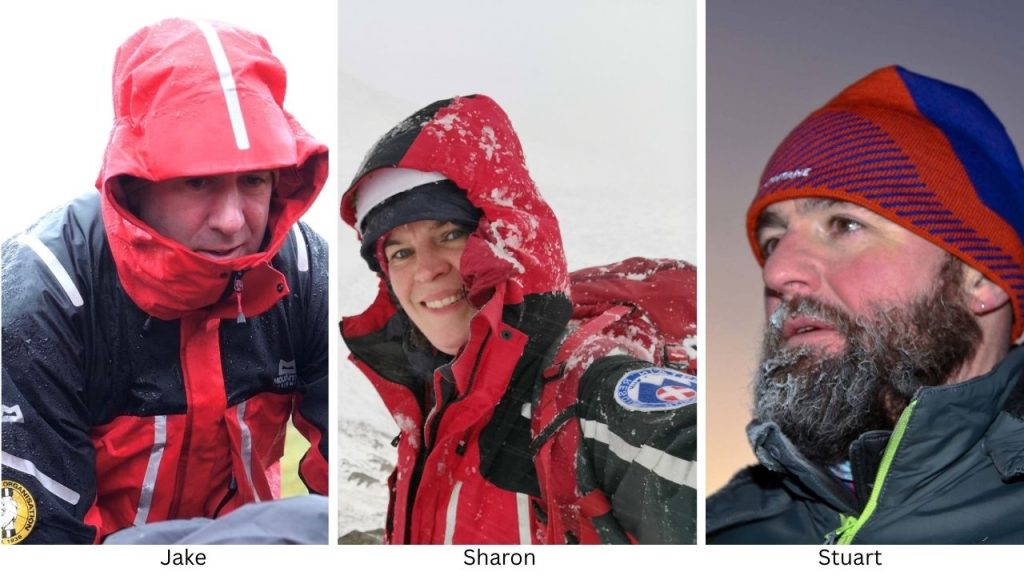
Stuart Smith, Patterdale MRT
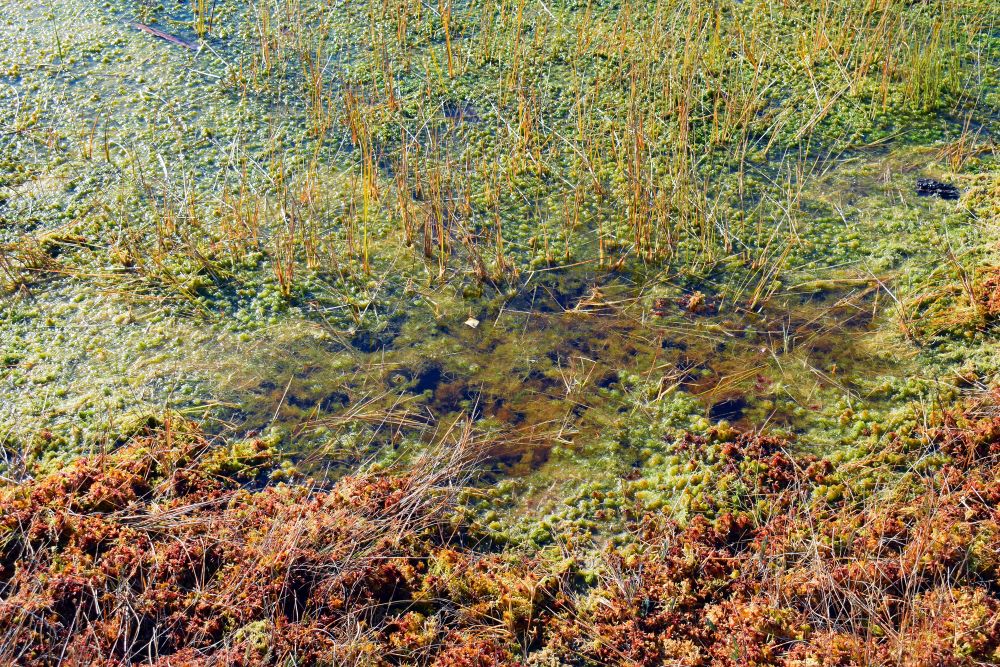
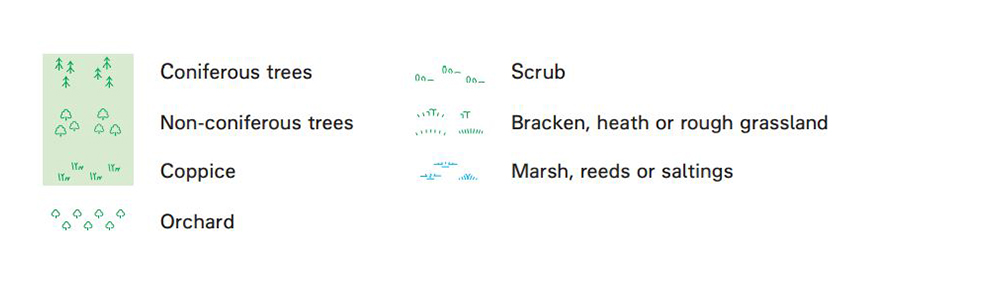
“You should be able to determine that the ground may be boggy from the contour information, marshy ground symbols, ground type and weather information but there is still a risk of straying into a deep bog. Try and remain calm and work your way out the way you went in, reversing your route to the safe place you know you have come from. Release any suction to your lower limbs by wiggling them and lifting slowly. Once out and back to a safe place, dry your feet and replace socks if at all possible – wet feet get cold very quickly. Then work out a safe route to continue your planned journey or return to start point. Take bog seriously – there have been people who have been stuck in a deep bog and have died.”
Should I use trekking poles in boggy conditions?
Stuart Smith, Patterdale MRT
“Trekking poles are useful to stabilise yourself around boggy areas, but make sure they have a big enough basket on them to stop them sinking. Also take your hands off the wrist loops, this can save bending or breaking a pole or pulling a wrist if you do fall. They can also be used to try and determine the potential depth of any bog you encounter or be used to support your friends.”
Sharon Kennedy, Penrith MRT
“I am a huge fan of trekking poles as they have so many uses. In boggy conditions, you can use them to assess how solid the ground is, or how deep the bog is. With strong poles you can even deploy them to vault over sections of bog – just assess your landing site before you leap! Finally, should the worst happen and you do end up in deep bog, poles placed horizontally on the ground can be braced against the surface to help you crawl out”
Tips for tackling deep bogs
-
- Spot the signs early: Marsh symbols, contour dips and recent wet weather all hint at boggy ground.
- If you sink, don’t panic: Back out the way you came, freeing your legs slowly before getting to safe ground.
- Take bog seriously: Deep bogs can trap you and have led to fatal incidents.
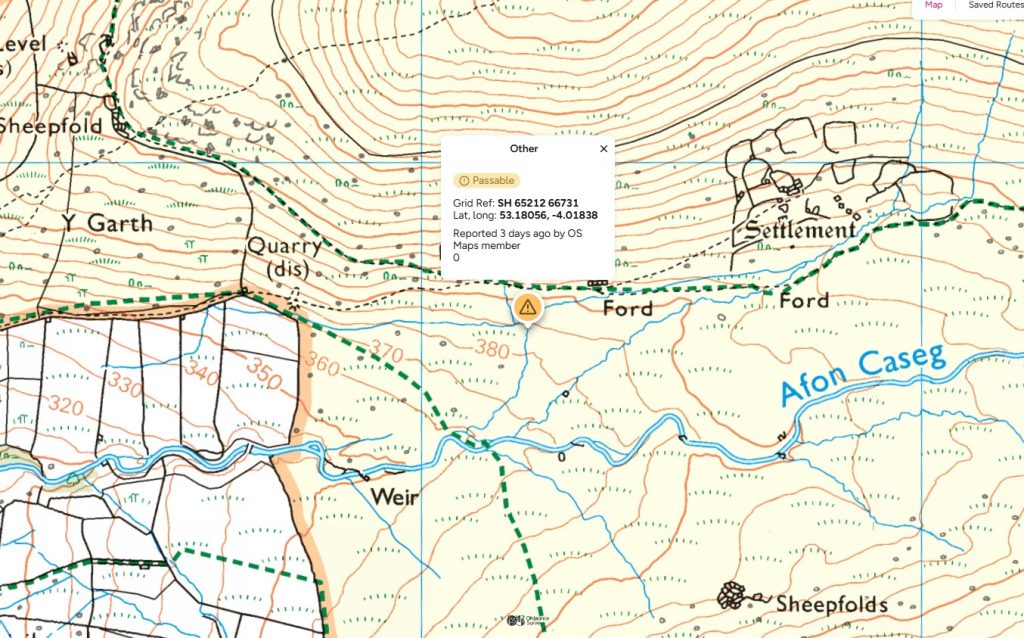
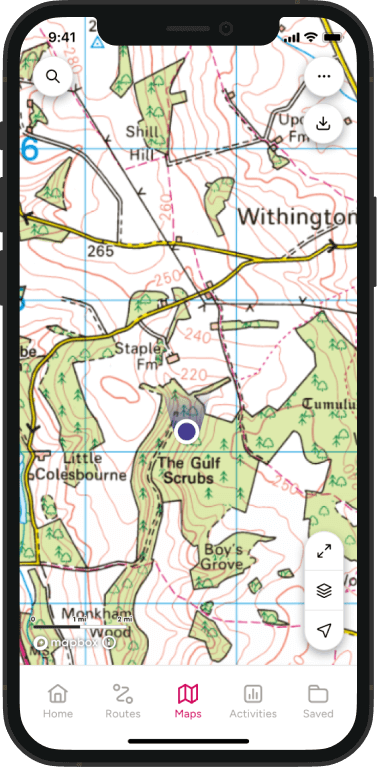
You can see here a member of the public using the OS Maps app community alerts feature, has reported one of the streams as passable. This is useful information to help with planning your route, but until you are on the path you won’t know the current situation. This area shows lots of ‘rough grassland’ symbols – on a sunny day in August you might hardly notice bog, but in winter this valley is exceptionally boggy.
If I come across a stream in full spate, what’s the safest way to proceed?
Stuart Smith, Patterdale MRT
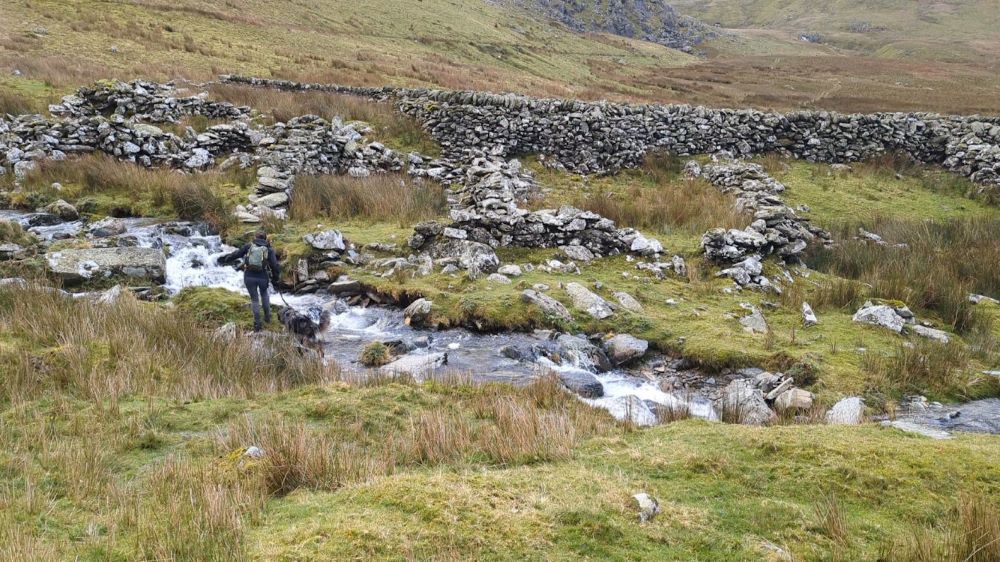
“Check the weather in the week leading up to your adventure and a lot of rain means you might assume streams will be in spate. Consider an alternative route by checking your maps to find a route that includes bridges and not steep sided valleys. If you come across a stream in spate, please note any water above knee height has serious consequences.
Your first consideration is “Do you need to cross it” or can I go another way? Plot a safe route from your map to go upstream to a narrower crossing point. If you have to resort to crossing, make sure you know your access and egress points on the river. Look at the flow for anomalies and objects like trees and fences. Keep your boots on, also loosen rucksack straps and zip up pockets, make sure phone, keys etc are in waterproof closed bags. Face upstream, with your buddy if not alone, and step carefully like a crab not rockhopping but on the river bed all the way to the egress.”
Sharon Kennedy, Penrith MRT
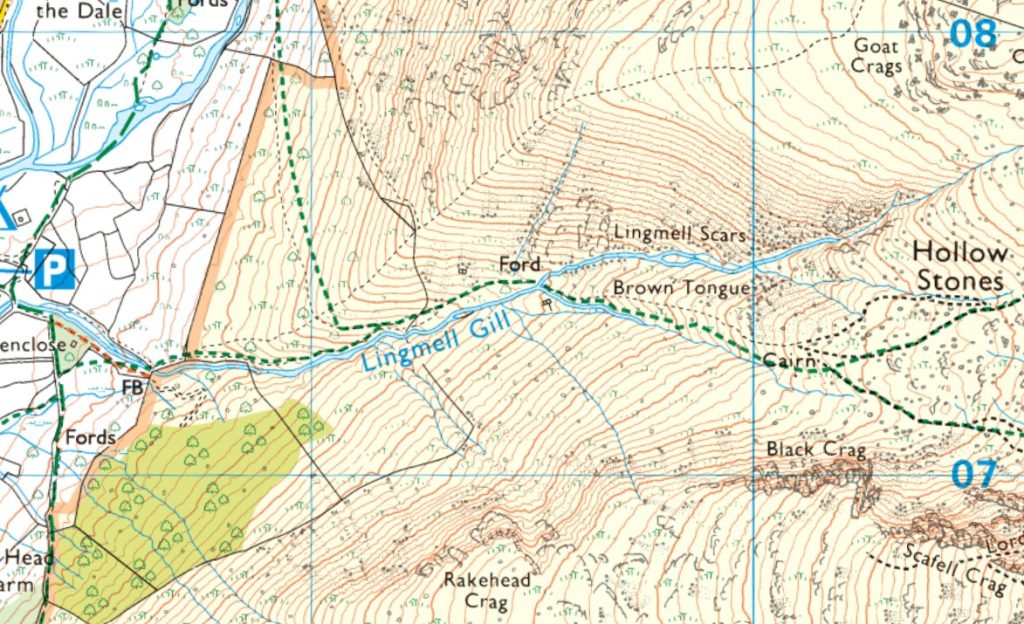
“River levels in upland areas can rise very quickly following heavy rain. The crossing on Lingmell Gill on the way to Scafell Pike from Wasdale is a classic example of a stream that can be unsafe to cross after heavy rain.
Think about your journey and the current weather: are you on the way up or down, if you cross now will you be needing to cross even higher water getting back? Consider if you need to cross at all: is there an alternative route, is there a bridge up or downstream, or do you just need to abandon this plan for the day? If you are on the return leg of your journey, you may need to consider other options such as looking upstream to see if there is a more suitable crossing point where you could cross several smaller streams. With this option, bear in mind heading off path upstream may lead to steep and rocky ground.
Where you cross is important, making sure you can get in and out easily with no steep or slippery banks. It is far safer to walk on the bed of the stream than it is to attempt to rock hop over wet boulders (this is when most accidents happen), good walking boots will keep the water out to a certain depth but beyond that you will get wet feet, think about how this will impact your day. Unless specifically trained otherwise, it is considered unsafe to attempt to cross flowing water above knee deep. If unsure, call for help or advice.”
Tips for tackling streams in full spate
-
- Question the crossing first: Decide if you actually need to cross, often the safest choice is to turn back, reroute to a bridge, or abandon the plan.
- Assess for safer alternatives: Go upstream for narrower, slower sections or multiple smaller channels, but watch for steep, rocky ground and slippery banks.
- Flowing water above knee‑deep is unsafe. Don’t take dangerous risks – call for help or advice from Mountain Rescue if you are stuck.
What extra kit should I carry in case I get wet and cold unexpectedly?
Stuart Smith, Patterdale MRT
“If you do fall into the river or have just wet and cold from the day, take with you a survival/ bothy shelter to get into then change into your spare dry clothing whilst sitting on a piece of foam mat. Put your wet kit into the dry bag your spare kit came from. Eat some food and have a warm drink from your flask after re plotting and planning your route to get to shelter asap. If necessary, pack up your kit quickly and continue with your new plan.”
Sharon Kennedy, Penrith MRT
“A group shelter should be considered essential kit in the hills. This will enable you to get out of the worst of the wind and the rain. Once you are in the shelter you can then add extra warm layers, dry gloves (always carry spares) get some food and a drink inside you before getting moving. Don’t stay too long in a shelter – getting moving if you are able to do so is the best way of staying warm.”
Jake Stapleton, Cave Rescue Organisation
“Modern waterproofs are great and do a fantastic job at keeping you protected from the elements whilst letting your skin breathe. Inevitably there will come a time when a waterproof leaks, you take a slip, or the water in a puddle is deeper than you expect (remember that moment in The Vicar of Dibley?). Whilst you’re moving you might be able to generate heat to keep warm but if you need to stop (or something happens and you have to stop and wait for Mountain Rescue) you can cool down quickly.
A spare hat and gloves are a must and help keep the heat in. Carrying an extra base layer, a lightweight fleece or an insulated jacket (think synthetic not down for wet weather) can make all the difference. Add a pair of dry socks and you’ll be the envy of all your friends.
As well as extra layers, think about packing a storm shelter; these are great pieces of kit and allow you and friends (they come in a range of sizes so you can choose how accommodating you are feeling) to shelter from the wind and rain. You’ll be surprised how quickly they warm up with a few people inside and can allow you to eat your sandwiches or wait out the storm in relative comfort. Mountain Rescue don’t often get a chance to eat sandwiches in our storm shelters but you’ll often see us using them to warm up a casualty on the hill.”
Tips for if you accidentally get wet
-
- Carry a shelter + dry layers: An emergency shelter lets you get out of wind and rain fast so you can change into warm clothing, gloves and dry socks.
- Reset, refuel, re‑plan: Change into dry kit, eat something, have a warm drink and reassess your route before continuing.
- Pack smart backups: Spare hat and gloves, a base layer or fleece, synthetic insulation and dry bags mean you can stay warm even if your waterproofs leak or you take an unexpected dip.
EXPLORE THE
OS Shop
We are with you every step of the way. Shop our trusted walking and hiking maps and guidebooks so you can explore the outdoors with confidence.
Go to the shopHow can I prevent hypothermia during a cold wet hike?
Hypothermia happens when your body loses heat faster than it can produce it, causing your core temperature to drop below 35°C. When this happens, your vital organs, including your heart, brain, and muscles, stop working properly. It doesn’t just occur in extreme winter conditions. Wind, rain, wet clothing, exhaustion, lack of food, or even a mild cool day can trigger hypothermia if you’re out for long enough and unable to stay warm. Early signs include shivering, clumsiness, confusion, and slurred speech. As it worsens, shivering may stop, decision-making becomes impaired, and the situation can become life-threatening without prompt action.
Stuart Smith, Patterdale MRT
“Prevention is always better than cure. Thoroughly check the weather in the area you are planning on going to, at least a week before going, keep an eye on the trends and conditions on the ground from webcams, social media etc. #BeBothered to look after your food and warm drink intake, your route choice, your layering systems and make the big and small adjustments you may need to.
Also take the right kit with you, a group shelter, something to insulate yourself from the floor, spare dry layers of clothing from skin to surface, eg socks, baselayers, gloves, hats, fleece jumpers, synthetic insulated jackets. Also protect your tech, keep phones, keys and battery packs in easily identifiable drybags. Always take a torch and spare batteries or spare torch all year round. #BeBothered to turn round if necessary and look after you and your group. Hypothermia can and does happen at any time of year, not just winter.”
Sharon Kennedy, Penrith MRT
“Two things generate heat – fuel (food) and movement. Make sure that, if possible, you keep eating and you keep moving. Then our clothing reduces heat loss. Dry insulation is best but if your clothes are wet, they will still protect you if you do not have any dry kit left. Waterproofs reduce heat loss by evaporation and reduce the cooling effect of the wind, so keep them on even if they are not keeping you dry anymore. Finally, continuing with your day when you are cold and wet, is miserable and can be dangerous. Now is the time to turn back if you haven’t already.”
Jake Stapleton, Cave Rescue Organisation
“Layers! Often on a call out they’ll be times when we’re pushing hard up a hill, carrying kit to the casualty’s location. During this time, we’ll be getting warm and what we don’t want is to be soaked in sweat when we are exposed on the hill. When you stop working sweat can quickly chill you, potentially leading to hypothermia. Layering a base-layer with a fleece and then an insulated jacket and/or a waterproof jacket allows you to regulate your temperature.
The right clothing will help you stay at the right temperature but your body needs fuel to burn and without it you’ll struggle to generate heat. Snacks are a must! Everyone has their favourites (flapjack is a popular one) and spend any time with an MR team and you’ll note that snack choice is a favourite topic of conversation! A flask of something warm (tea, coffee, hot chocolate) is also a great comfort on a cold day – or two smaller flasks so that one keeps that bit warmer later in your day.”
Tips for preventing hypothermia
-
- Prepare properly: Check weather trends, conditions on the ground, and pack essential kit, dry layers, insulation, group shelter, torch, and protected tech.
- Manage your heat: Keep eating, keep moving, and use effective layering to regulate temperature, avoid sweat‑chill, and stay dry and insulated.
- Know when to turn back: If you’re cold, wet, or conditions worsen, the safest choice is to stop, reassess, or head down, hypothermia can happen any time of year.
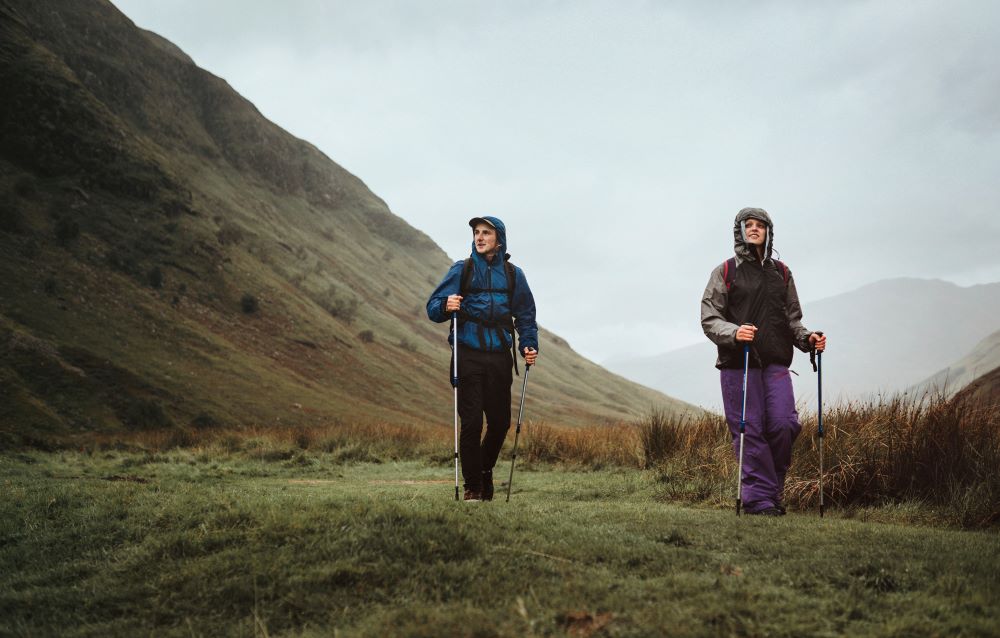
What are the most common mistakes hikers make with wet‑weather gear and footwear?
Stuart Smith, Patterdale MRT
“There are lots of things to consider – and many of them are easy mistakes to make.
· Generally wet weather gear needs to base washed and reproofed often…
· Some people do not put their waterproofs on until they are already wet…
· Some people put them on as its windy and not raining, when wearing a windproof would be better.
· Hoods zips and pockets do not get done up therefore letting water in.
· Clothing sticks out of ill-fitting waterproofs…
· Waterproof footwear has its uses as long as water does not get in at the top.
· If wearing gaiters put them under your waterproof trousers… gloves under your cuffs.”
Wet weather, boggy ground and fast‑rising streams are common across the UK’s hills, but with the right preparation you can stay safe, warm and confident on your adventures. The advice above highlights three essentials:
- Plan ahead using weather and route information – use OS Maps
- Carry kit that helps you stay warm and dry, and make early, informed decisions when conditions change.
- Turning back is always safer than pushing on.
With good judgment and the right equipment, you can enjoy wild places in all seasons and get outside whatever the weather brings.
Articles by Mountain Rescue
Below, you can discover all the informative articles by Mountain Rescue in partnership with Ordnance Survey. Our goal is to share information about their remarkable efforts and ensure our community of walkers, hikers and trail runners remains safe while exploring the UK’s hills and mountains.
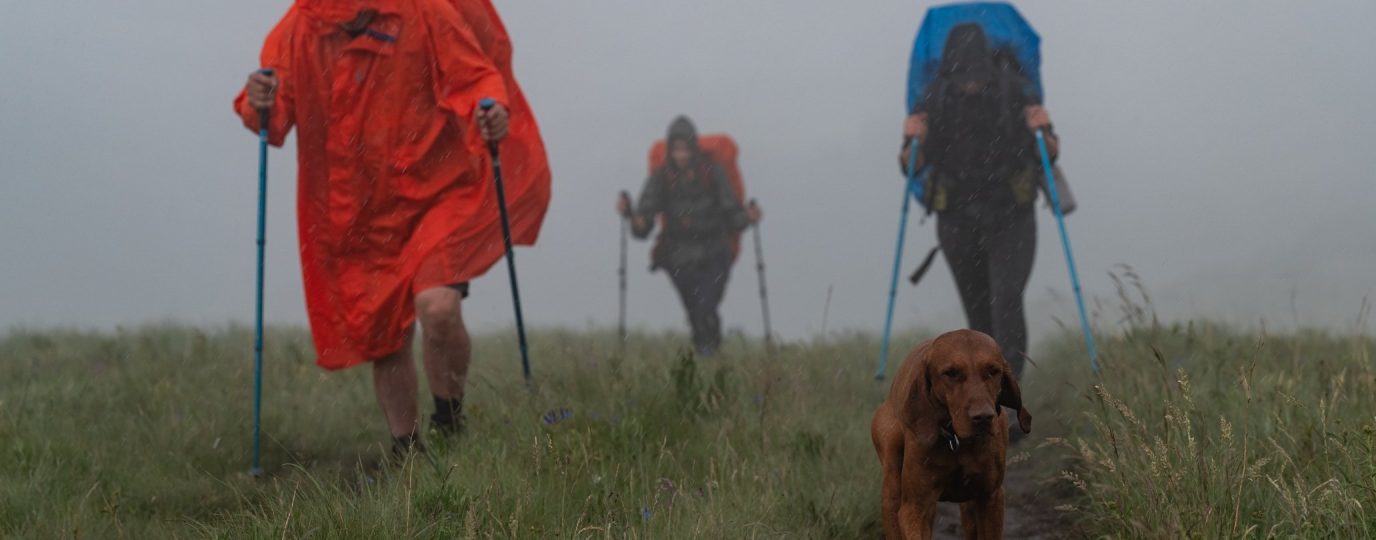
Mountain Rescue Advice: How to Stay Safe in Boggy, Wet and Cold Conditions
Stay safe on your next wet weather hike with mountain rescue advice. Learn how to navigate bogs and conditions effectively.
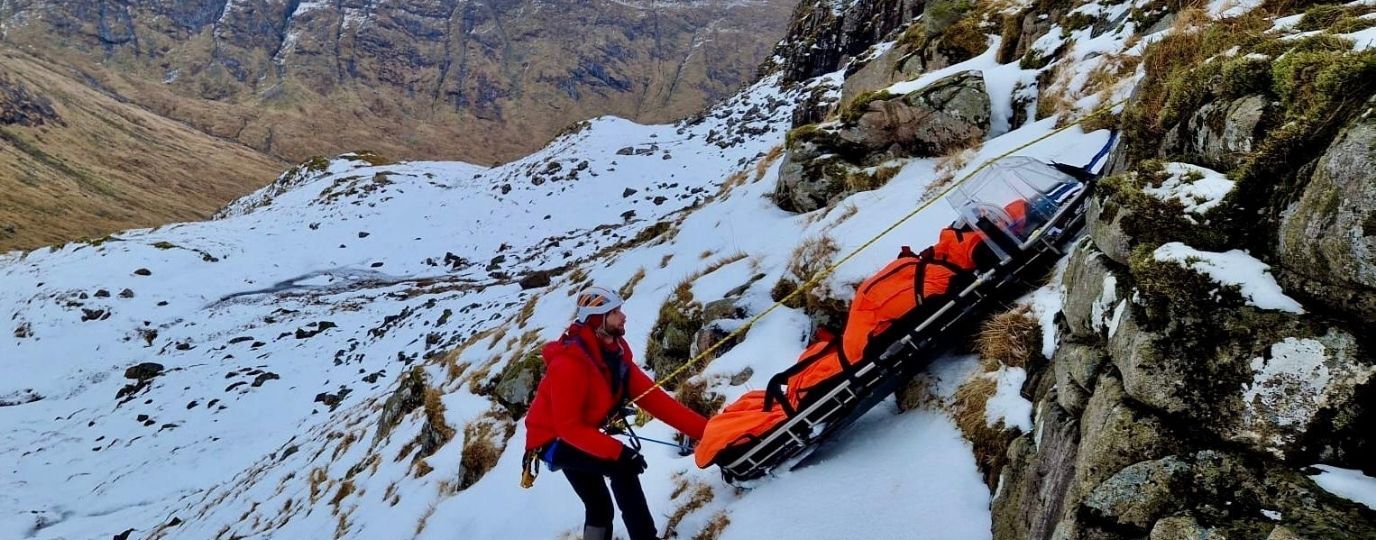
Hiking in Scotland vs Hiking in England & Wales – Key Winter Navigation Differences
Learn about the intricacies of navigation and hiking in Scotland and how it differs from hiking further south – expert advice from Mountain Rescue

Mountain Rescue’s accident black spots
Mountain Rescue England and Wales share with us a handful of accident black spots across Britain, in which they are often called to, and how you can stay safe when visiting these areas.

Winter Hiking Tips from Mountain Rescue – Staying Safe in the Dark
As the days get shorter it’s important to take extra precautions when getting outside. Mountain Rescue share their expert advice for staying safe in the dark.
Advice from Mountain Rescue
Mountain Rescue England and Wales share their expert advice to help you stay safe outdoors. Find out how to plan ahead, stay safe on the hills and how to call Mountain Rescue in an emergency.
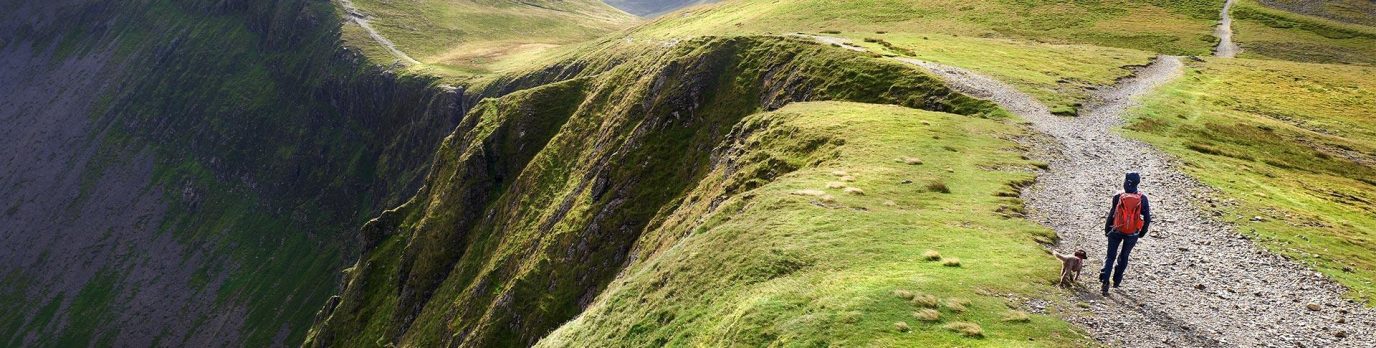
Hill walking safety for beginners
OS Champion Phillipa Cherryson spends a day with the Brecon Mountain Rescue Team for some pointers on hill walking safety for beginners.
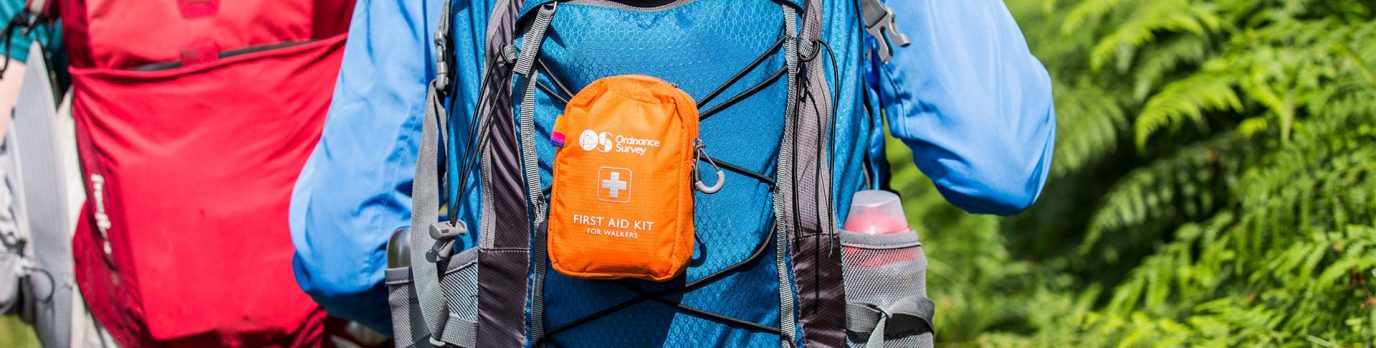
Outdoor first aid: the basics
Whatever adventure you decide to take, a basic knowledge of outdoor first aid will help keep you safe. Alistair Morris, Medical Director at Mountain Rescue England and Wales, explains how to deal with the most common outdoor injuries.
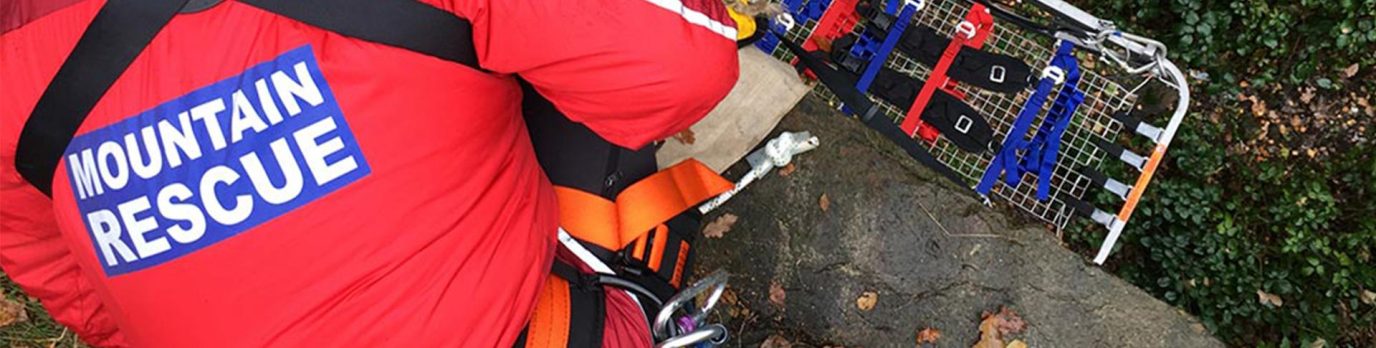
Everything you need to know about Mountain Rescue
OS Champion, Emily Thompson, tells you everything you need to know about Mountain Rescue

Mountain Safety in the Summer
Mountain Safety: Ordnance Survey, Mountain Rescue England and Wales and the Met Office join forces to offer some great advice on summer safety in the mountains.
By Hilary Pullen
Meet Hilary, Editor of Get Outside – the Ordnance Survey Blog. Hilary is based in North Wales and loves hiking with her dogs in the mountains of Eryri and Bryniau Clwyd, you can find her on Instagram @nearlyuphill and read her guides to walking in North Wales on her blog. Drop her an email hilary.pullen@os.uk if you are interested in posting an article on Get Outside.