Glimmers in Nature. How Small Outdoor Moments Can Lift Your Mood
If you have heard the term “glimmer” recently you are not alone. The idea has appeared across wellbeing posts and podcasts as people look for gentler ways to steady their nervous system. A glimmer is the opposite of a trigger. It is a tiny moment of safety, calm or joy that helps your body settle. These moments are easy to miss indoors. Step outside and they become much easier to notice.
What is a glimmer?
Where the idea comes from
The word comes from polyvagal theory, which looks at how your nervous system reacts to threat and safety. The idea of glimmers was coined by therapist Deb Dana, whose work with Polyvagal Theory helps people recognise tiny cues of safety. It might be a bird call, a shift in the wind or a warm patch of sunlight. You may feel your shoulders drop or your breathing steady without thinking about it.
Why your brain notices triggers more than glimmers
Humans are wired to scan for danger. Your attention jumps to anything that feels risky. Glimmers sit quietly in the background so you often overlook them. Training yourself to spot them can rebalance this instinct and help your body recognise everyday moments of ease.
How nature makes glimmers easier to spot
The role of light, colour and movement outdoors
Natural environments offer endless sensory cues that your nervous system reads as safe. Light flickering through trees, changing skies, gentle movement in water or grass. These are all low‑demand sights that calm the brain.

Why natural environments soothe the nervous system
Fresh air, open space and natural soundscapes reduce visual and cognitive load. With fewer demands on your attention, you have more capacity to notice positive sensations. Even a short step outside, a garden moment or a walk around the block can create the right conditions for glimmers to appear.

Simple ways to train yourself to notice glimmers
Start with small outdoor pauses
You don’t need a hike or a day out to start. Stand on your doorstep, open a window, or walk to the nearest patch of green. Give yourself a minute to look, listen and settle.
Use your senses
Try focusing on one sense at a time.
• Look for shifting light, colour or texture
• Listen for a single bird call or rustle
• Feel a breeze or warmth on your hands
• Notice a smell carried on the air
Build glimmer‑spotting into daily routines
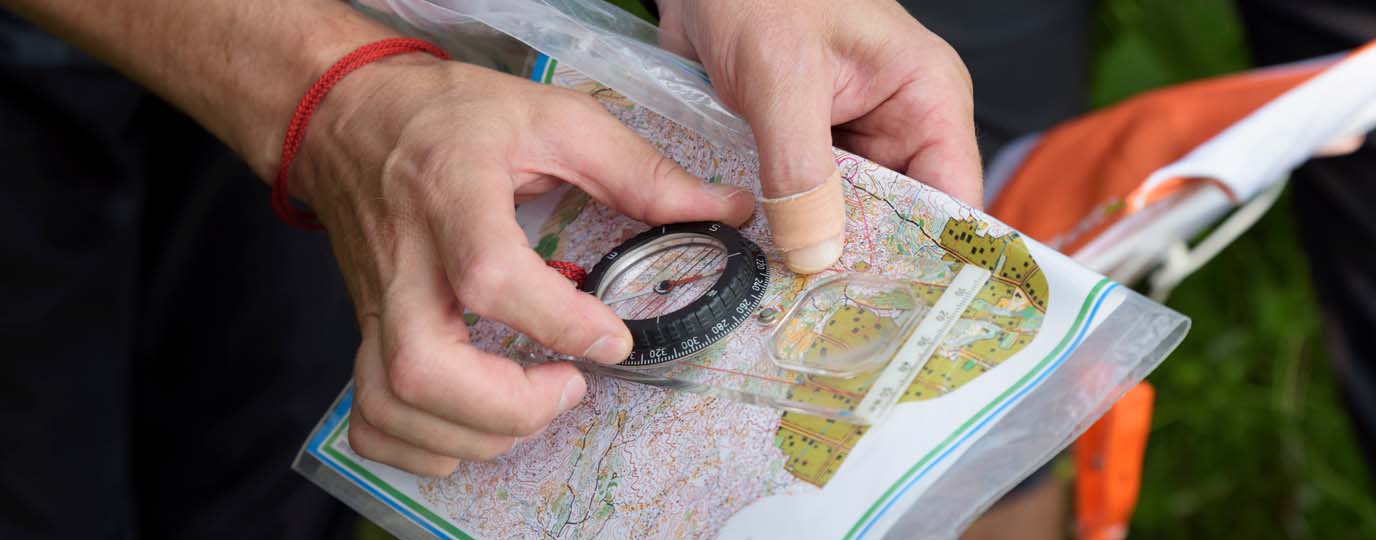
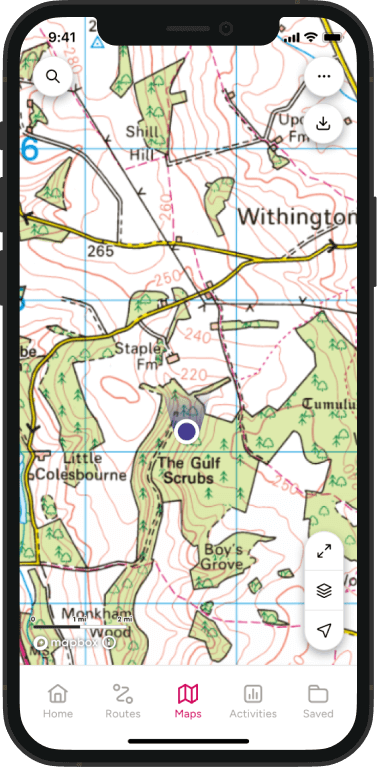
You could choose one “glimmer moment” each day. A school run, commute, dog walk or lunchtime loop can all become small ways to create a moment of calm. You can use OS Maps to find local walks in your area that suit the time you have available.

Examples of Glimmer ideas to look for on your next walk
How many of these do you recognise as a glimmer moment?
• Light catching on leaves, water or windows.
• A sudden birdsong that stands out from background noise.
• The feeling of warm sun or a cool breeze on your face.
• A change in air temperature as you move from shade to light.
• The smell of rain, cut grass, pine, sea air or damp earth.
• Spotting a bird hopping close or watching a squirrel pause.
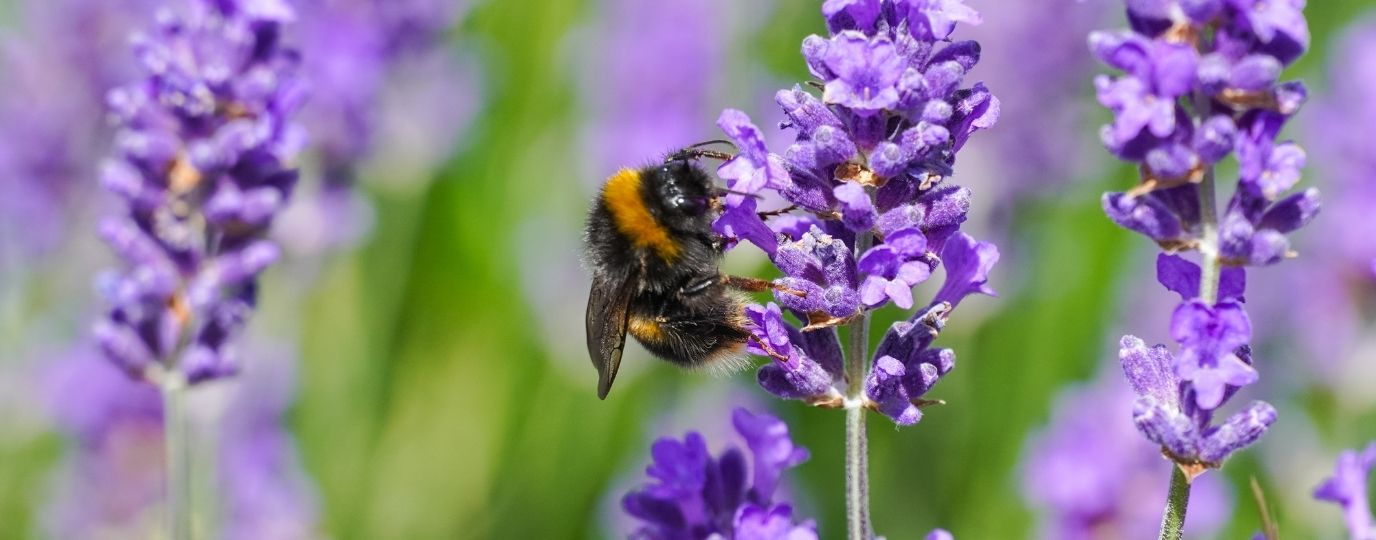
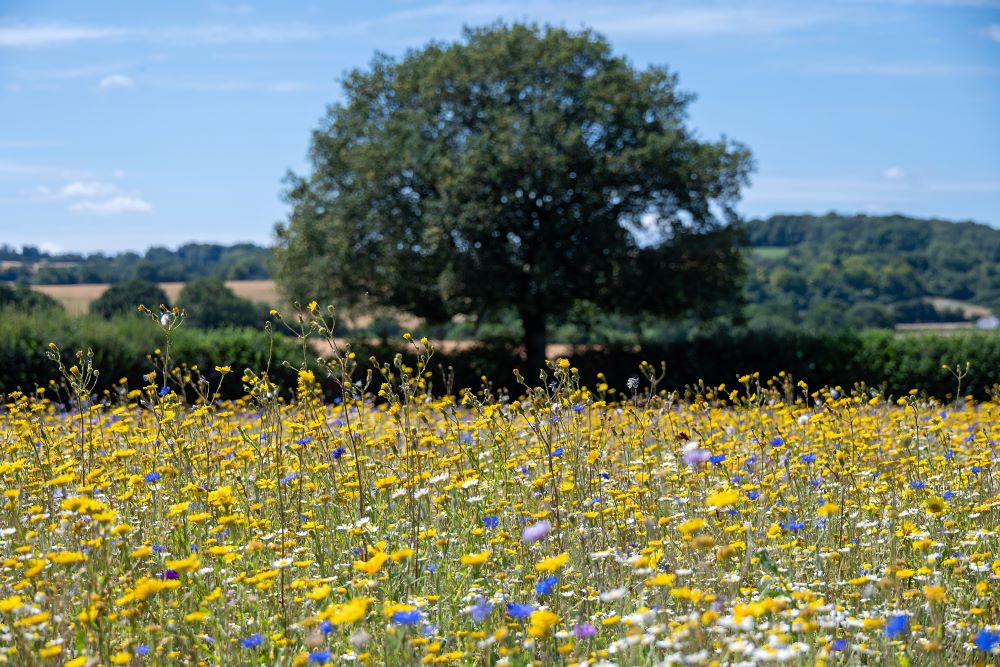
• A patch of colour that draws your eye. A lone flower, lichen on bark or moss glowing after rain.
• Noticing patterns. Ripples in a puddle, cloud shapes or the texture of tree bark.
• A moment of quiet in a busy day such as a still footpath or empty bench.
• The rhythmic sound of your footsteps, especially on gravel or boardwalks.
• Catching sight of the horizon and feeling your body soften.
• A friendly nod or smile from someone you pass.
• Watching your breath mix with the air when it is cold.
• The feeling of grounding when you place both feet firmly on the earth.
• A sense of space when you step into a park, field or onto a coastal path.
• The small comfort of hands around a warm drink outdoors.
• Reflections in a puddle, window or stream that make you pause.
• A sudden pocket of birds feeding, circling or gathering.
• The steady rhythm of waves, wind in trees or distant traffic softened by nature.
Why glimmers matter
Supporting resilience and confidence outside
Noticing glimmers helps your body register safety. Over time this builds trust in yourself and your surroundings which can make longer or more adventurous time outdoors feel more manageable.
Encouraging regular time outdoors
Knowing you will find at least one small uplifting moment each time you step outside can help motivate you on days when energy is low. It is a simple mindset shift that makes outdoor time feel rewarding all year round.
Have you noticed any glimmers today?
Glimmers are tiny cues of safety and calm. Nature offers them freely if you know how to look. Start small. Use your senses. Let these gentle moments guide you into spending regular, enjoyable time outdoors.