Will you go plastic-free on your next hike?
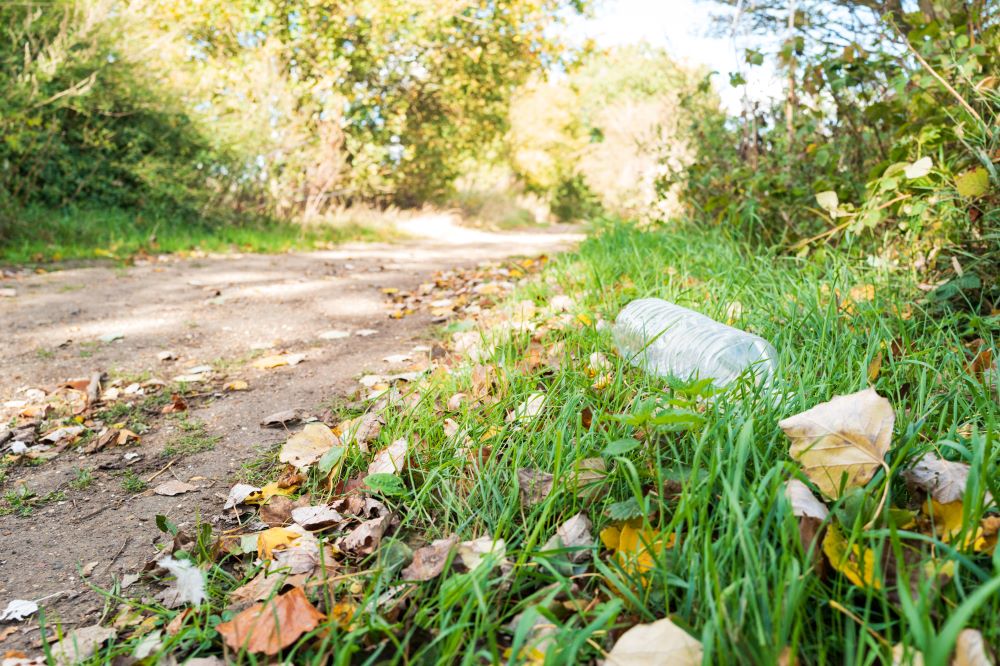
Single-use plastic is one of the biggest threats to the landscapes we love. From cling film scraps to disposable bottles, these items often end up as litter or break down into microplastics that pollute these precious environments and eco-systems. A plastic free hike is one of the challenges we’ve set in our 26 Hiking Challenges post, so we thought we’d offer some advice to help.
We recently asked our Get Outside community on Facebook for their advice on avoiding single-use plastics when hiking and we got lots of great feedback. Community member and hiker Angela Raspberry put it perfectly: ‘We should all be doing our best to cut down on single-use plastics all the time, not just when hiking.’ We couldn’t agree more.
So let’s make this the year we all commit to reducing plastic use in everyday life, and as a start, completely avoiding single-use plastics when we go hiking into our beautiful UK National Parks, precious countryside and coastlines.
Checklist: Avoidable Plastics and Better Alternatives for Hiking Trips
Let’s start with a simple checklist of the kind of items that might find themselves in your back pack, plastics that we can easily avoid without too much fuss or expense.
| Single‑Use Plastic | Better Alternative |
|---|---|
| Plastic water bottle | Stainless steel or BPA‑free reusable bottle |
| Cling film / Tin Foil | Beeswax wraps or reusable silicone pouches |
| Plastic sandwich bags | Reusable snack bags or a Tupperware / lunchbox |
| Snack bar wrappers | Homemade snacks in reusable containers |
| Crisp packets | Homemade snacks in reusable containers |
| Disposable coffee cup & lid bought en route | Insulated flask |
| Wet wipes | Small flannel + biodegradable soap & water (keep soap away from water courses) |
| Plastic cutlery | Metal or bamboo set (sporks are great!) |
| Energy gel packets | Homemade energy bites in tins |
| Plastic toiletry minis | Refillable travel size bottles |
| First aid-kit | Refill first-aid kit from multipacks and choose biodegradable options |
| Plastic bin liners for rucksacks | Reusable dry bag or pack liner |
| Period Products | Washable Period Pants / Biodegradable Tampons / Menstrual cups (take home all waste in a sealable container) read our tips on hiking when on your period |
Choosing reusable containers isn’t just good for the planet, it’s better for you too. Stainless steel bottles, insulated flasks, and beeswax wraps are stronger, safer, and designed to last for years. They won’t shed microplastics like disposable plastics do, and over time, you’ll save money by avoiding constant replacements.
NB. Why you should never reuse single-use plastic bottles
It might seem eco-friendly to refill a disposable bottle, but research shows it’s not safe. PET bottles degrade with repeated use, releasing chemicals like antimony and phthalates, especially when exposed to heat or sunlight. They also develop scratches that harbour bacteria, making them hard to clean properly. For a safe, sustainable option, choose a reusable water bottle, stainless steel, BPA-free plastic, or glass, designed for repeated use.
Plastic-free food ideas for hiking
Packing your own food is the easiest way to cut down on plastic waste. Here are practical, eco-friendly options:
Hot meals for cold days
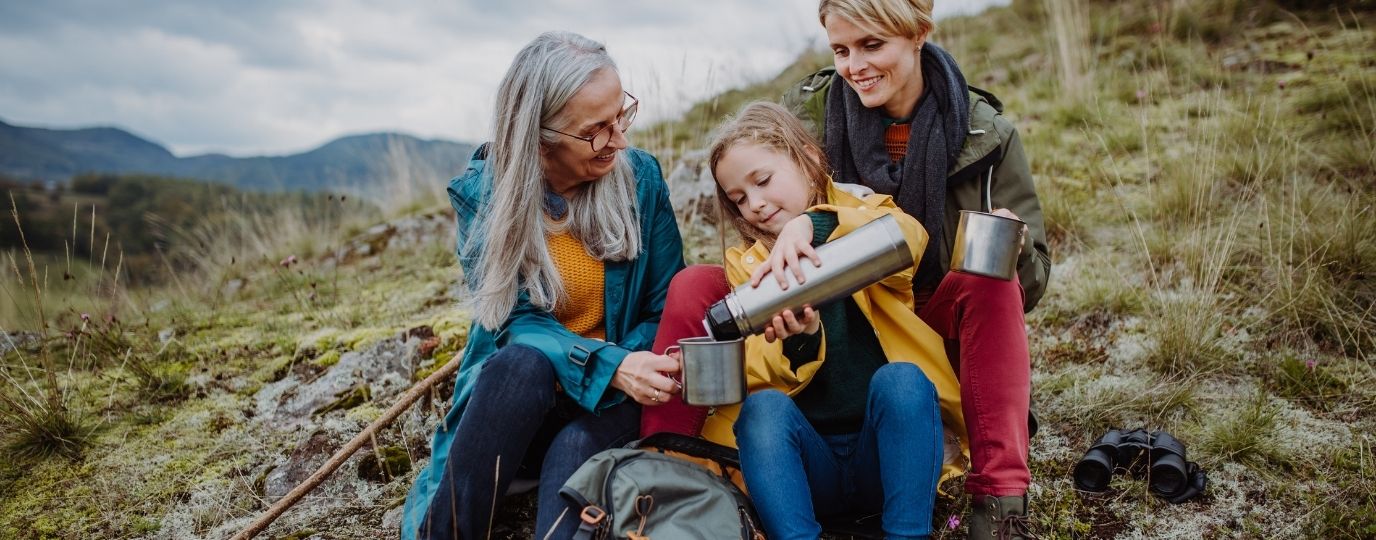
Get yourself an insulated food flask that you can eat out of with a spoon or fork. Preheat your flask with boiling water for 5–10 minutes before adding food to keep it piping hot for hours. Here are a few ideas for what to take and some of these may come out of a can, which makes them even easier!
- Soups – chunky soups will be most filling
- Stew/Chilli/Bolognaise – save a portion from a batch make
- Sausage & Beans
- Hot Dog Sausages
- Noodles
- Porridge (for the sunrise walks!)

General Snacks
- Wrap sandwiches in beeswax wraps or pack in a reusable lunchbox
- Flapjacks stored in tins or silicone bags – see our Homemade Flapjack recipe
- Crackers, slices of cheese and cured meats are quick and easy to pop in a Tupperware
- Trail mix with nuts, seeds, dried fruit, and chocolate chips in a screw-top tin
- Fresh fruit like apples, oranges, or bananas, no packaging needed but remember banana skins and other peels don’t biodegrade in our UK climate for years so need to be carried home with you.
Hiker, Gary Powell commented on our post that there’s “Nothing better than a hot stew on a cold day.” A nice hot, hearty stew is ideal for a hike, especially in winter as it will both fill you up and give you a nice warm feeling inside.
OS Champion Lisa Wells added that she takes “Soup or sausages in a flask, sandwiches wrapped in a reusable beeswax wrap or pasta in a tub… I also removes the packaging from snack bars and wrap those in the beeswax wraps too.” The ideal solution to 100% reduce the chance of any wrappers escaping from your cold gloved hands on a windy winter walk.
Hazel Roberts says “If I use foil or food bags, I wash and reuse them.” That’s a great way to keep things nice and light weight and foil can easily be rinsed and reused.
Leave No Trace
Always take your rubbish home. As Ana commented on our post – “Sometimes [single-use plastic] can’t be helped but I ALWAYS take my rubbish home.”
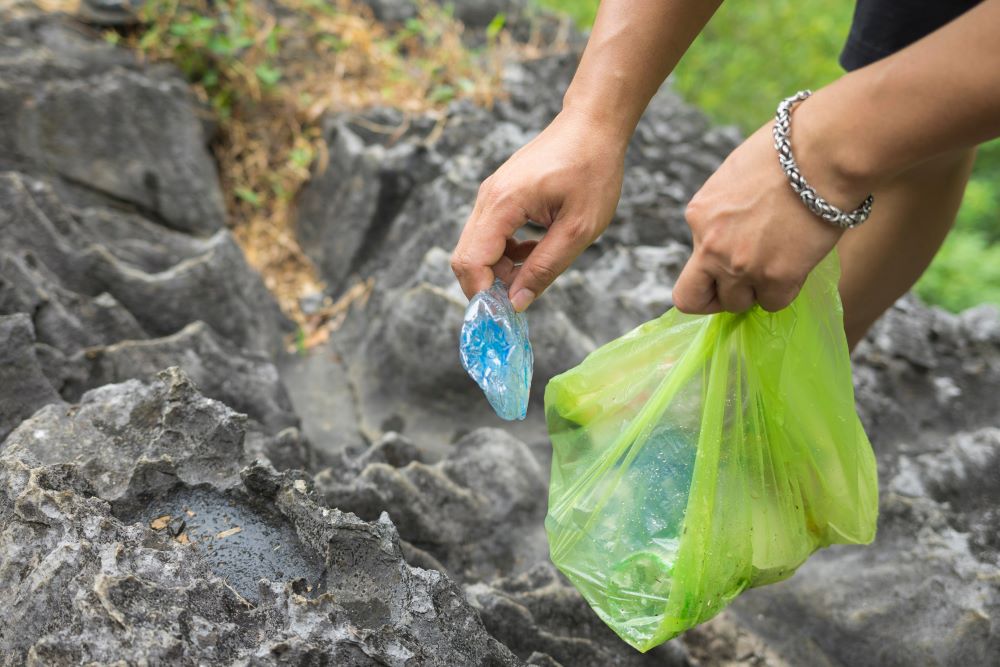
And if you spot litter when you’re out and about? Follow Gary’s lead: “I was up Moel Famau… shocking amount of litter… Brought down a small bag full and recycled.” Well done Barry!
We’d love to know how many of you do this when you’re out hiking, do share any pics with us of litter you have collected on our social channels or any litter picking days you’re involved in @ordnancesurvey #ordnancesurvey
Imagine if every hiker picked up just one piece of rubbish on every walk. Carry a small reusable bag on your next hike and grab a few obvious bits of rubbish that you can find space in your bag to carry back to a bin. When people see rubbish they’re more inclined to drop it so this could help to stop the rot in our beautiful countryside.
Avoiding single-use plastic when you’re out in the countryside isn’t extreme. With intentional swaps, flasks, steel bottles, reusable wraps, and a few simple habits like prepping food the night before, we can keep our wild spaces truly wild and set a great example for our fellow hikers. Next time you see someone with a meal deal on a hike, send them this article!
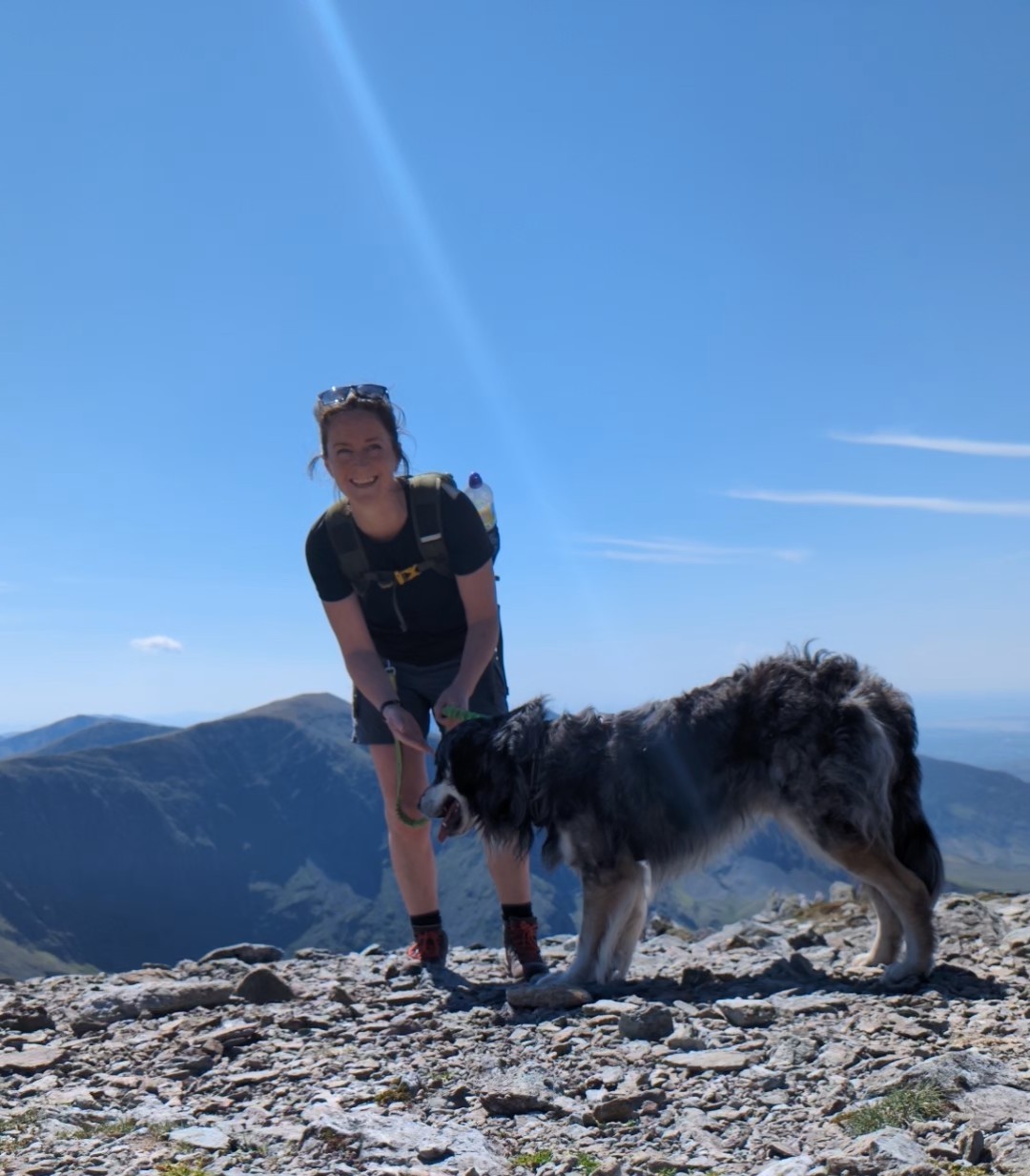
By Hilary Pullen
Meet Hilary, Editor of Get Outside – the Ordnance Survey Blog. Hilary is based in North Wales and loves hiking with her dogs in the mountains of Eryri and Bryniau Clwyd, you can find her on Instagram @nearlyuphill and read her guides to walking in North Wales on her blog. Drop her an email hilary.pullen@os.uk if you are interested in posting an article on Get Outside.