Grow your confidence and become a better hiker in 2026
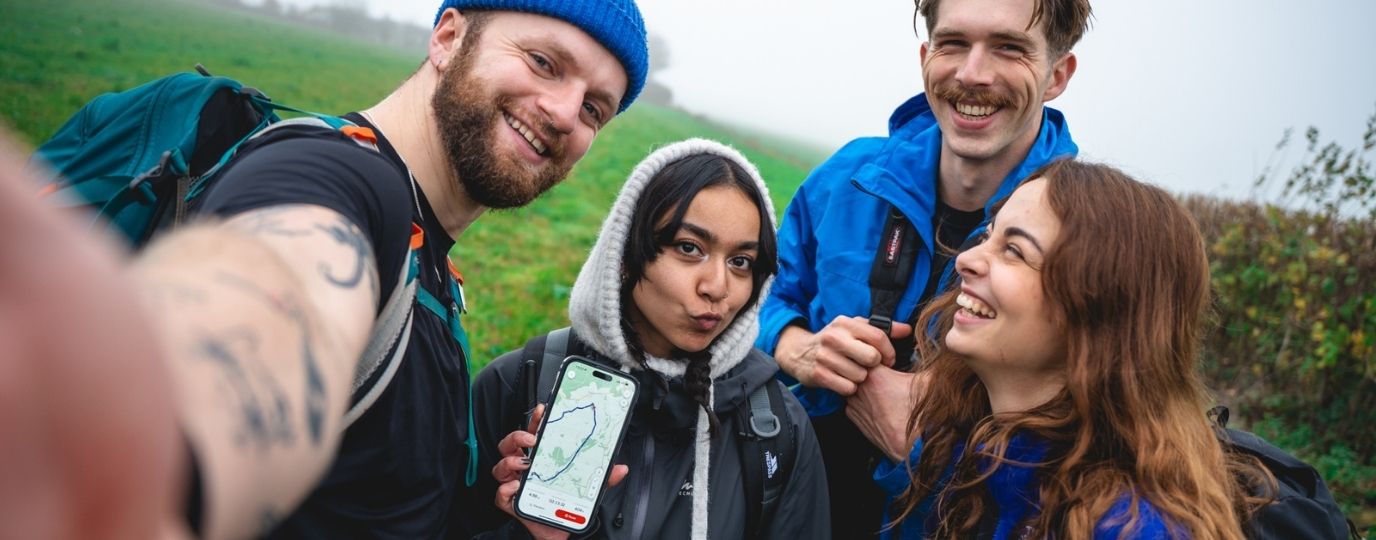
We’ve created a list of 26 hiking challenges designed to boost your physical and mental wellbeing and make 2026 your best year outdoors yet. Only just started hiking or never even tried on a pair of hiking boots, worry not this list is about improvement not endurance.

How can I get better at hiking?
If you’re asking yourself this or you’re new to hiking then keep reading as this post is definitely for you. Our list of 26 challenges is not about tackling gruelling 24-hour endurance tests. They’re about taking this year to become a more confident, capable hiker whatever your age or experience. Our list covers it all, from learning how to plan perfect routes to discovering brand new viewpoints, improving your navigation skills, learning the names of plants and even joining a local litter pick. These challenges will help you explore more, learn new skills, and connect with nature and your community.
Print the list (link at the end), stick it somewhere visible, and strike off each challenge as you go. Share the journey with a friend and tackle the challenges together. By the end of the year, you’ll have a collection of unforgettable hikes and experiences to look back on, plus a big boost in confidence and outdoor know-how.

Why Take on the “Become a Better Hiker Challenge” ?
Setting small, achievable goals keeps you motivated, helps you explore new places, and builds confidence outdoors. These challenges are really flexible so you can adapt them to your ability, location, and schedule. If 26 feels too much, pick 10 that excite you. Goals that push you just a little beyond your comfort zone can make a big positive difference to your physical and mental wellbeing.

26 Hiking Challenges for you to Pick & Mix in 2026!
If some of these feel too easy or too hard, create your own list of hiking challenges to push your limits and grow your experience. This is your year, make it count.
Top Tip:
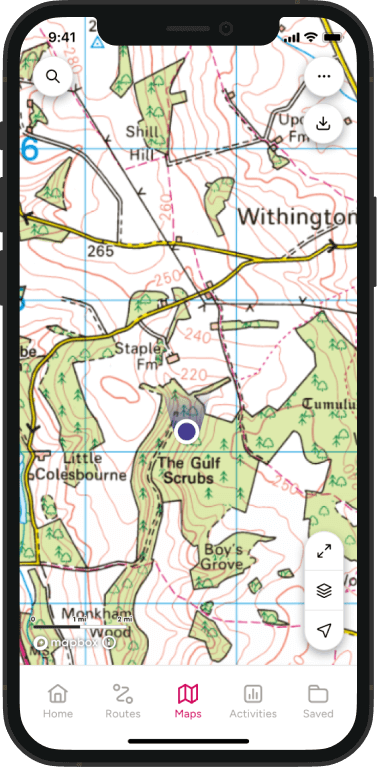
As well as making sure you have the latest version of OS Maps installed, invest in a little note book and keep track of all your hiking plans and learning in one place – it will become your own personal hiking bible by the end of the year. You can use it like a diary to reflect on the little wins and how the challenges you have set yourself are going, every time learning something new to build your skills and unlock more of the outdoors.
1: Plan Your Year of Walks
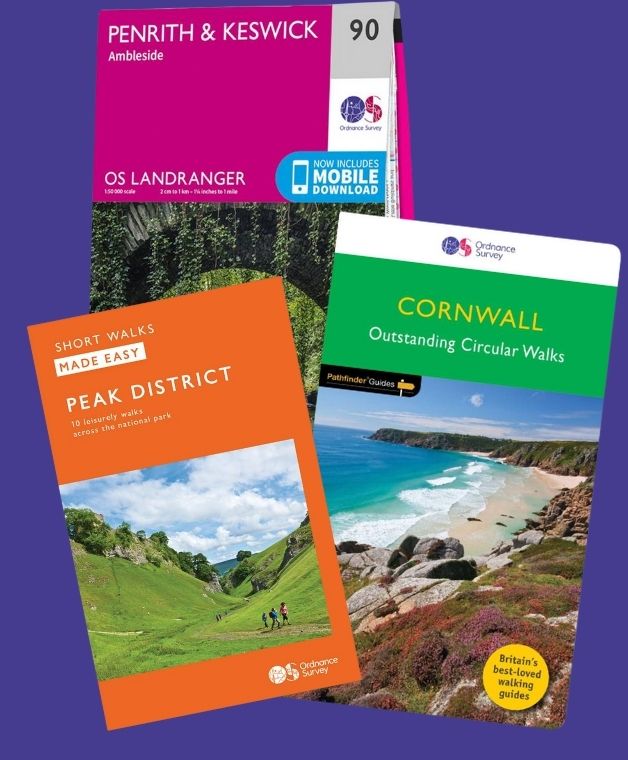
Start by creating a list of routes or summits you’d love to hike in 2026 and put it somewhere you’ll see often for inspiration. Take time for a planning session and look ahead in your diary, this simple step makes your goals far more achievable. Whether you’re aiming to tick off the remaining Welsh 3000s or just want to explore a new local route each month, pencilling in dates to go hiking will turn good intentions into real adventures. Use OS Maps to explore summits and routes or order yourself a paper map for a bit of old school planning.

2: Improve Your Navigation Skills
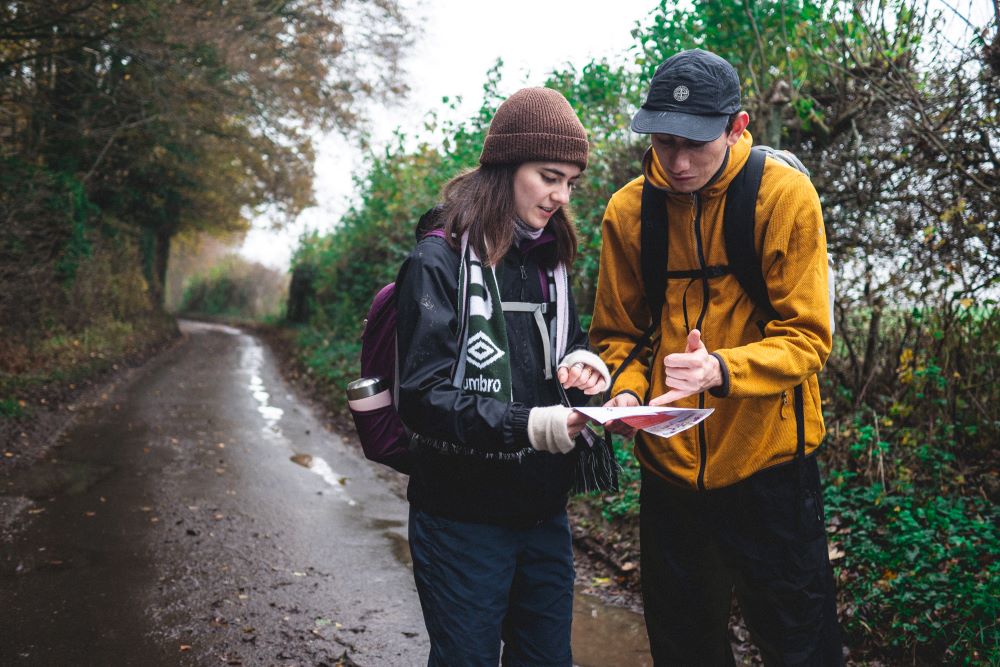
At least once a month practice using a paper map and compass and note what feels tricky, whether it’s orienting the map or taking bearings or you just don’t have a clue what you’re doing when you open OS Maps up! Use resources like the OS Knowledge Hub and watch the navigation videos that expert explorer Steve Backshall made for the OS Channel.
We also have a fantastic pocket size Navigation Book for complete beginners which you can carry with you. Most importantly, schedule time in your diary for practice walks. Regular sessions will turn navigation into second nature and open up a whole new level of freedom outdoors whatever the weather and light levels.

3: Design and Walk Your Own Route
Creating your own hike in OS Maps is easier than you think—and it’s a great way to make your adventures truly personal. Start by exploring the map for areas you’ve always wanted to visit, then use the route-planning tools to plot your perfect walk. Think about distance, elevation, and points of interest along the way. Once your route is ready, save it and schedule a date in your diary to make it happen – you can also share it with friends with just a click. Learn how to create a route with this step-by-step guide – Creating a route in OS Maps
4: Set a Monthly Mileage Goal
Give yourself a target number of miles to walk each month, not as pressure, but as motivation to get outside even when you don’t feel like it. Hiking builds stamina and strength, and keeping a steady level of fitness rather than cramming all of the miles into a few months, will make every adventure easier and more enjoyable. Even small increases beyond what you normally do can make a big difference. By the end of 2026, you’ll look back knowing this was the year you got stronger. If you’re completely new to hiking start with our hiking tips for beginners.
5: Build Up Your Hiking Muscles
Strength training is one of the best ways to improve your hiking because it builds the muscles that support your joints, improve balance, and make climbs and descents easier. You don’t need a gym, simple exercises like squats, lunges, step-ups, and planks can be done at home or outdoors on a midweek walk using benches, steps, or even your backpack for added resistance. Aim for at least 30 minutes a week to strengthen your legs, core, and hips, and you’ll notice the difference in stamina, stability, and confidence. Add the time in your diary and a list of simple exercises so you don’t forget and it becomes a natural part of your week. Read our tips for how to add strength training into your daily walk.

6: Try a New Type of Terrain
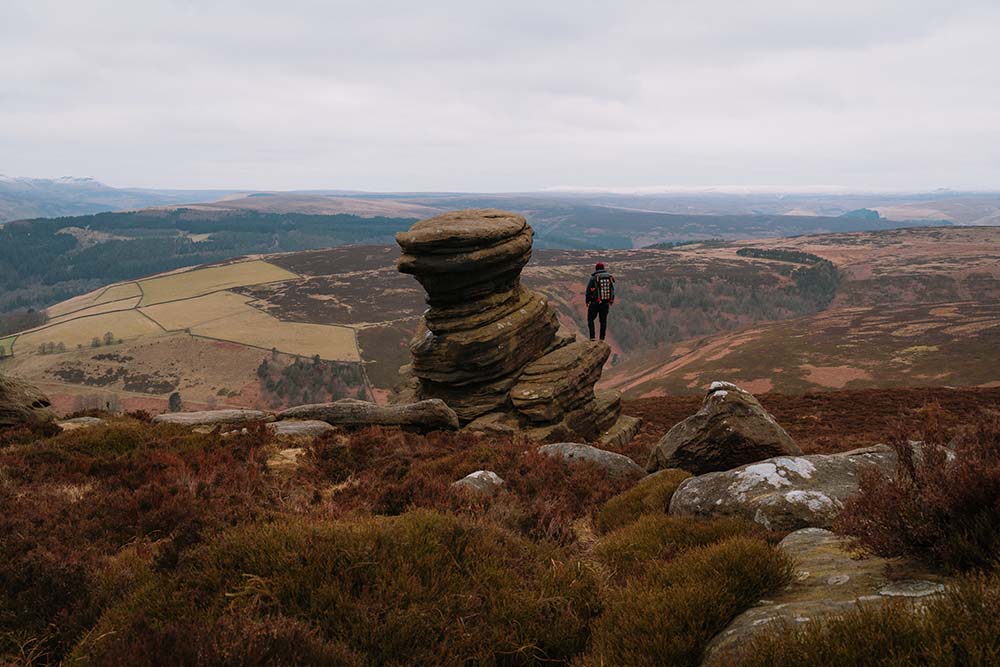
Exploring different terrains, woodland, moorland, scrambles, screes or coastal paths, does more than add variety. Each surface teaches you something new: uneven forest paths improve balance, open moorland sharpens navigation skills, and coastal paths test your stamina against wind and changing conditions. Tackling varied landscapes builds confidence, adaptability, and a deeper understanding of how terrain affects pace and planning, making you a stronger, more prepared hiker.
7: Go Linear Instead of Circular
Swap your usual loop for a point-to-point hike and return to your house or car by public transport. Linear routes push you to plan more carefully, thinking about start and finish points, transport timings, and route details. This extra planning sharpens your organisational skills, and navigating unfamiliar terrain without looping back improves your confidence with maps. Plus, it’s a great way to explore further and discover new landscapes you might miss on a more local circular walk.

8: Set a Monthly Ascent Goal
Choose a total elevation gain to aim for each month or across the year. It doesn’t have to be extreme, just enough to keep you motivated and gradually build strength and stamina. Tracking ascent is a great way to push beyond flat routes and experience new viewpoints. Use OS Maps to monitor your progress and add dates in your diary for hill days. By the end of the year, you’ll notice the difference in your fitness and confidence on steeper terrain.
9: Walk to a Historic Landmark from Your Door
Turn a local landmark into a full-day adventure. A castle, stone circle, or monument, you can find them all using the symbols on OS Maps. Planning a route from your doorstep hones your navigation and route-planning skills, while uncovering the history behind these places helps you feel more connected to your community and its past. It’s a chance to combine fitness, learning, and exploration in one memorable hike. Read our tips from historian Mary-Ann Ochota, on finding history on OS Maps

10: Hike a Section of a National Trail
National Trails are more than long-distance paths, they’re a vital part of British conservation, protecting landscapes, wildlife habitats, and cultural heritage while giving people access to nature. Walking even one section connects you to these efforts and lets you experience some of the country’s most iconic scenery. Use our list of Long Distance Footpaths to pick a trail that excites you and learn about how it became a recognised National Trail.
11: Try a Multi-Day Adventure
A multi-day hike is one of the best ways to sharpen your planning and navigation skills while having an unforgettable experience. Plotting a route over a few days teaches you how to manage time, food, and gear, and gives you the chance to practice staying on track across varied terrain. Camp under the stars or treat yourself to a hotel, either way the sense of achievement is huge, so choose a route that excites you, schedule it in your diary, and start planning your mini adventure. Read our tips for planning a multi-day hike.

12: Take the Coldwater Plunge
Find a safe wild swimming spot, check access and water conditions, and be brave enough to dip in. You’ll feel amazing afterwards and if it’s at the end of your hike it can really help sore and inflamed muscles. If you’re already a regular swimmer, make it interesting by finding somewhere completely different from your usual spots for a fresh adventure. Trying something new like adding a lake swim to your next hike will help you find new and interesting routes. Read our tips for safe wild swimming.
13: Learn 10 Types of Wildflowers or Mosses
Learning the names of plants brings you closer to nature and sparks curiosity about the world around you. It turns a simple walk into a discovery mission and helps you notice details you might otherwise miss. Use your phone to take photos and use a tool like Google Lens to identify what you find. Make a note of each one and aim for ten new plants you can easily identify by the end of the year. You’ll feel much more connected and observant and that really helps your brain to switch off from everyday stress.
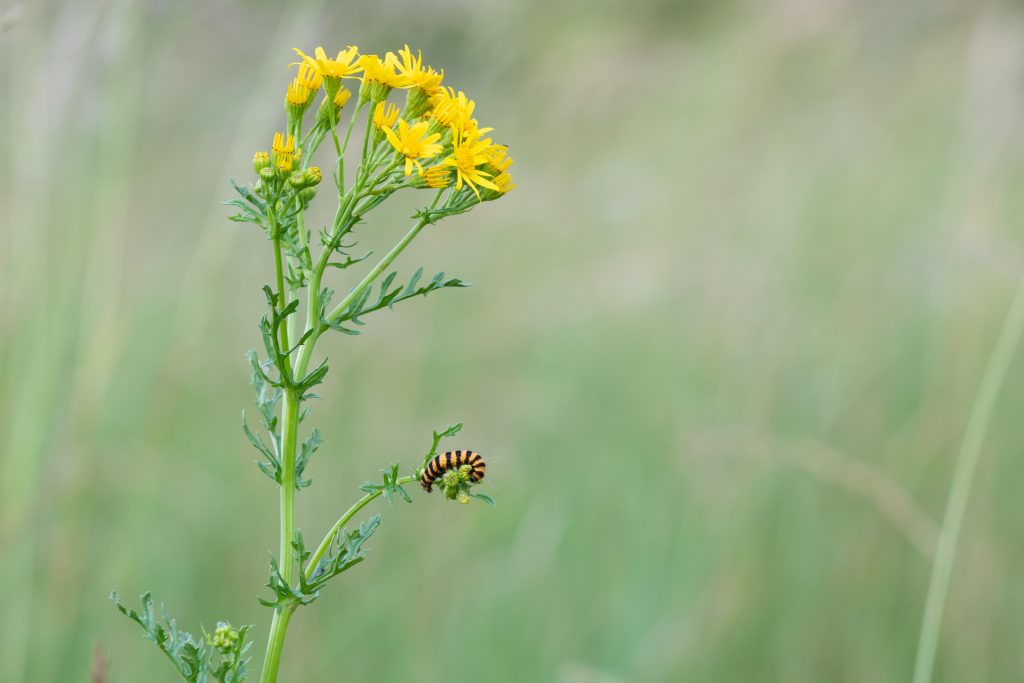
14: Learn 10 Types of Birds
We all know a robin or a magpie, but how many other birds do you spot without knowing their names? In the same way identifying plants helps connect you to nature, so does identifying birds. If you’re already good at spotting and naming birds why not focus on learning the calls and songs so you can identify a bird without even seeing it.
15: Learn 10 Types of Clouds
Understanding clouds isn’t just interesting, it’s practical. Clouds are one of the best natural indicators of changing weather. Knowing the difference between cumulus, cirrus, stratus, and more can help you anticipate conditions like rain, storms, or clear skies. This awareness allows you to make smarter decisions about clothing, gear, and whether to continue or cut a hike short. It’s a skill that builds confidence and safety in the outdoors.
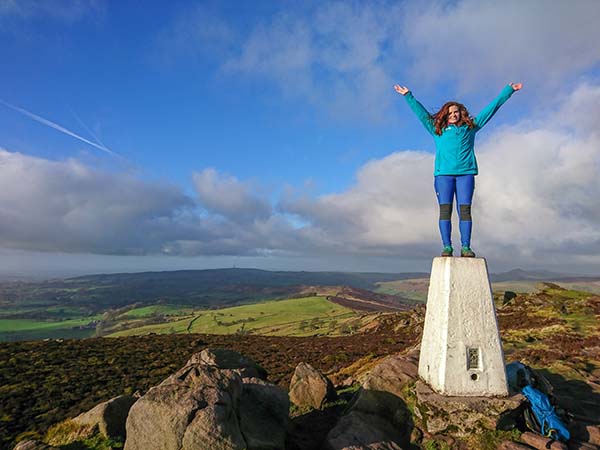
16: Learn 10 Types of Trees
Learning to identify trees throughout the seasons sharpens your observation skills and helps you read the landscape more intuitively. From spring buds to autumn colours and winter silhouettes, recognising these changes makes you more aware of terrain and conditions—valuable knowledge for any hiker. Aim to learn ten species this year and revisit them at different times to see how they transform. It’s a simple way to deepen your connection with nature while building practical awareness.
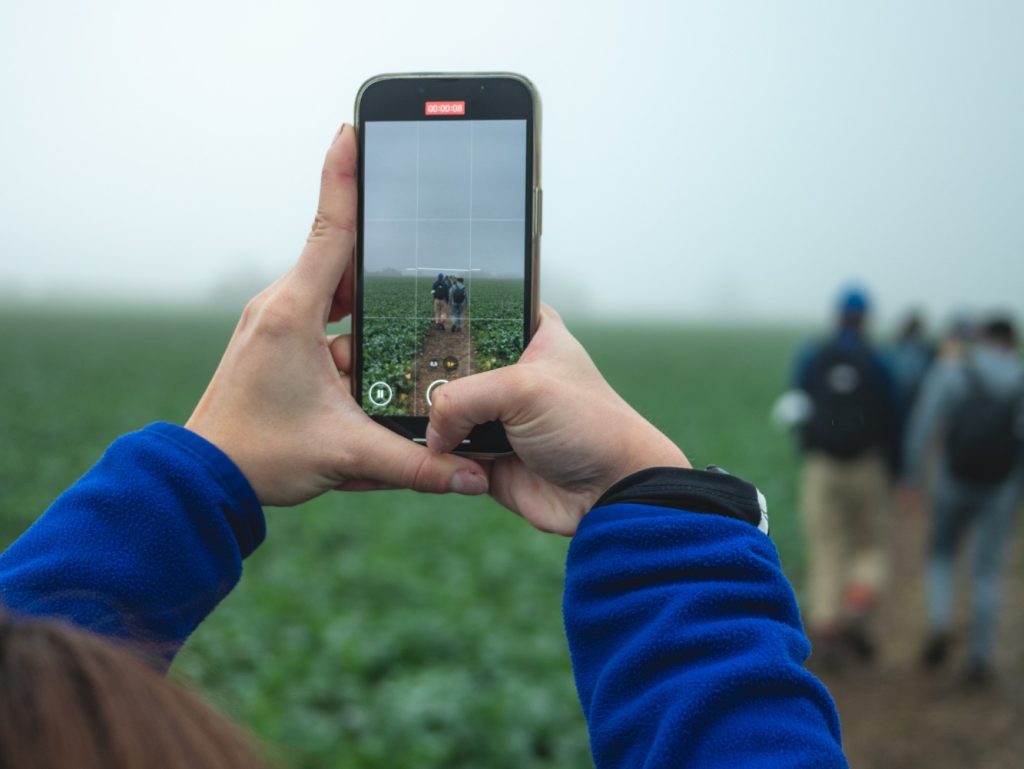
17: Improve Your Photography
Learning to take better photos on your smart phone makes hiking more rewarding by helping you notice details, appreciate landscapes, and better capture memories you’ll treasure. It encourages you to slow down, explore new viewpoints, and even try different times of day for the best light. Photography turns a simple walk into a creative adventure and gives you inspiring images to share with friends or keep as reminders of your journeys. If you’re a fan of social media you could even go the next step and join the huge online community of hikers and share your best hiking pictures on Instagram or in a Facebook Group like our own Get Outside Group.
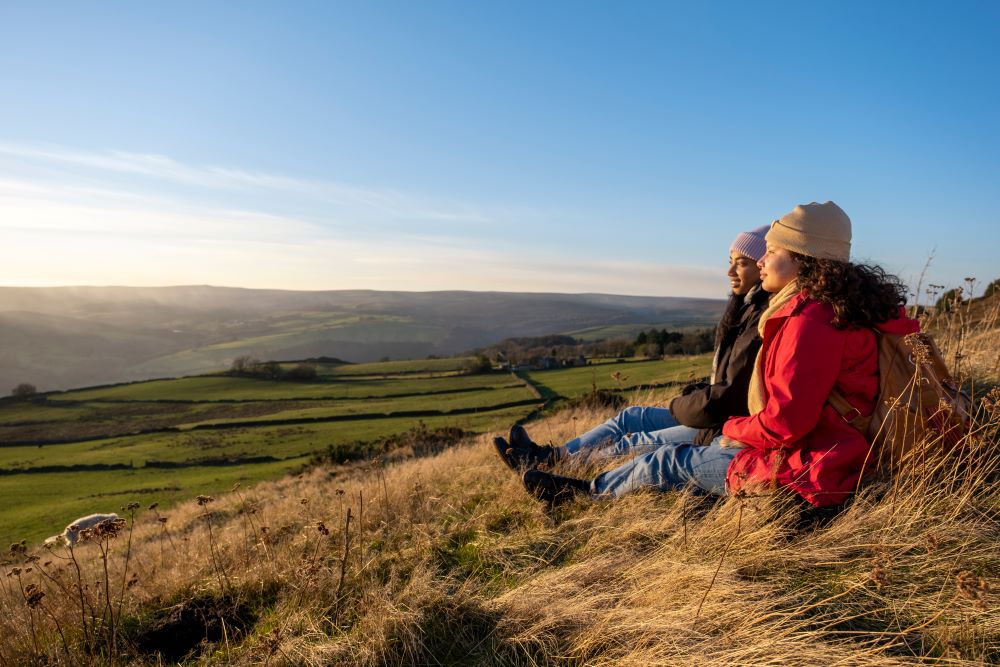
18: Plan a Sunset Walk and Experience Golden Hour
Pick a safe, beautiful spot and enjoy the magic of sunset. Just like with your sunrise adventure, check the weather and plan ahead. If you’re heading for higher ground, find out which side of the hill or mountain the sun will set on so you can choose the perfect route and timing. Watching the landscape glow in golden light is a simple way to end the day feeling connected and uplifted but you will need to make sure you can get back down safely in the dark with your headtorch.
19: Start a Walk Before Dawn and Catch a Sunrise
Set your alarm early and experience the feeling of catching a sunrise from a scenic spot. For this kind of walk, you’ll need a headtorch and a quick refresher on night navigation. If you’re not confident with navigation yet, choose a route you know very well or stick to a low-level path with clear tracks and no risk of exposure. Watching the day begin from the hills can be addictive, it’s a simple adventure that sets a positive tone for the whole day, or even the week ahead.
20: Plan a Car-Free Hike
Car-free adventures require extra planning, from checking transport links to timing your route, which sharpens your organisational and navigation skills. It also encourages you to explore local paths you might otherwise overlook, helping you see familiar places in a new way while reducing your footprint.
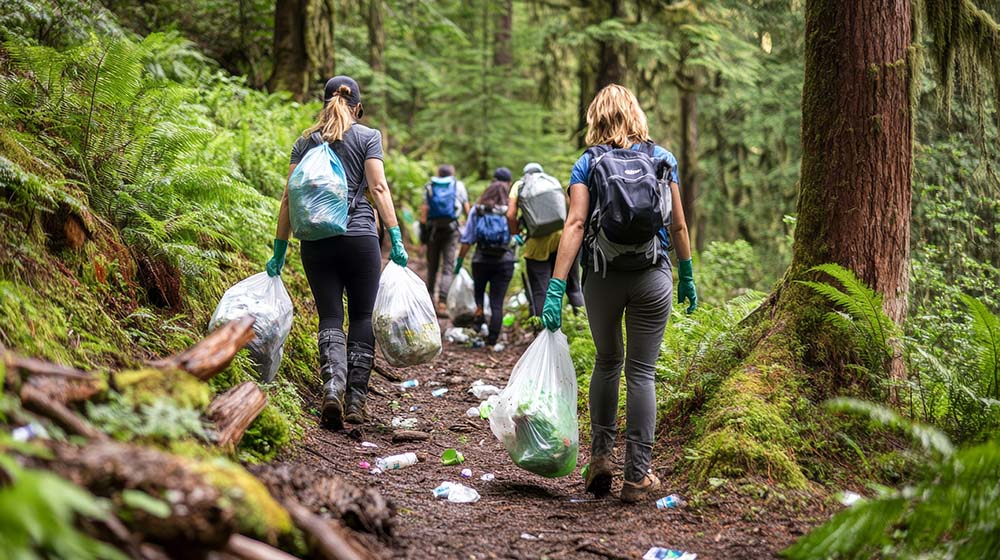
21: Join a Litter Pick or Beach Clean-Up
Helping to protect your favourite trails and green spaces isn’t just good for the environment, it makes you a better hiker. Taking part in a clean-up teaches you to notice the impact people have on the outdoors, builds a sense of responsibility, and connects you with others who care about nature. Understanding how fragile these landscapes are encourages more mindful hiking and deepens your appreciation for the places you explore.Help protect your favourite trails and green spaces.
22: Try a Single Use Plastic Free Hike
Go for a zero-waste hiking day by avoiding single-use plastics in your picnic. It’s easy to grab pre-packaged snacks, but planning ahead helps you break the habit and choose reusable containers, beeswax wraps, and refillable bottles instead. Making this effort regularly builds awareness of how much plastic we rely on and encourages more sustainable choices on every hike. Start small—one plastic-free picnic can lead to a lasting change in how you prepare for the outdoors.
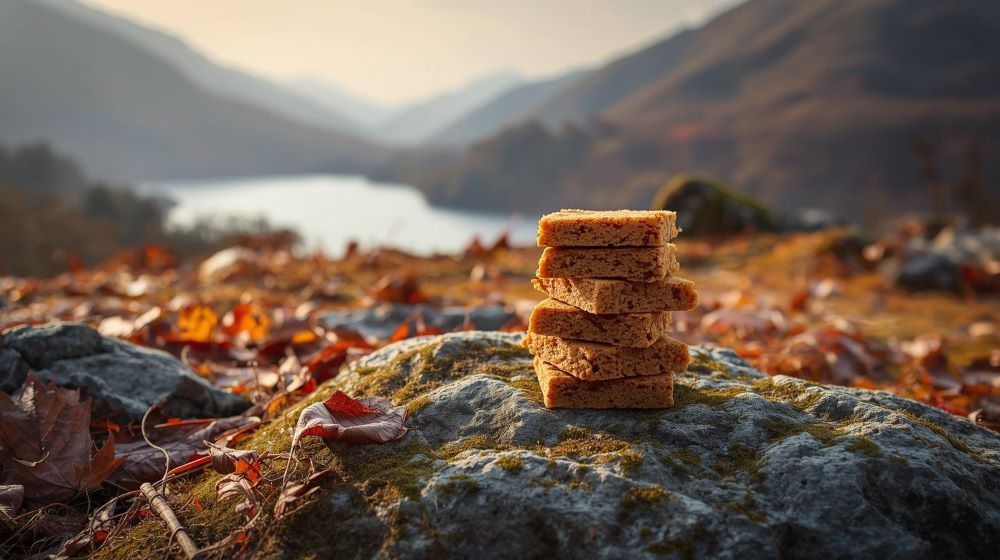
23: Learn to Make Homemade Hiking Snacks
Why is this a hiking skill? Because great snacks keep you fuelled and happy and impressing your friends with your own homemade flapjacks is a bonus! Making your own treats means you can control the ingredients, cut down on single-use packaging, and create flavours you actually love. It’s practical, eco-friendly, and your friends will be super impressed.
24: Write a Review of Your Favourite Route
Leaving a review on OS Maps helps fellow hikers by sharing real, first-hand insights that go beyond the map. Your experience can highlight the best viewpoints, seasonal tips, and any tricky sections to watch out for, making the route safer and more enjoyable for others. Reviews also inspire people to try new walks and build a stronger outdoor community, so if you’ve loved a route, let others know why! It’s all part of being a better hiker.

25: Read a Book About an Epic Hiking Adventure
Stories of long-distance treks and wild journeys do more than entertain, it fuels your imagination and teaches valuable lessons about resilience, planning, and problem-solving. Reading about real life adventures can spark ideas for your own hikes, introduce new destinations, and even help you prepare for challenges you might face outdoors. Classic mountaineering tales or modern thru-hike memoirs, these inspiring hiking books connect you to the spirit of exploration and remind you why you love hiking.
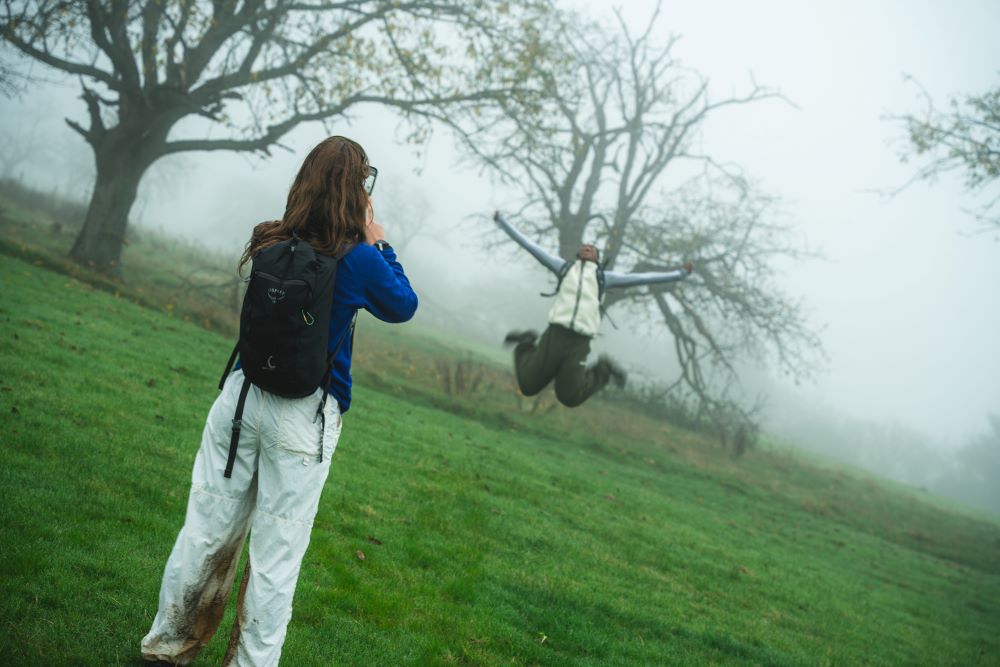
26: Take a Friend Hiking
Learning new hiking skills and becoming a more confident walker doesn’t just improve your own adventures, it opens the door to sharing the experience with others. When you know how to plan routes, navigate safely, and handle different conditions, you can introduce friends to hiking and make it enjoyable for them too. Over time, this builds a small community of like-minded people you can explore with, turning solo walks into shared memories and creating a supportive network of outdoor enthusiasts.
If you love these ideas for improving your hiking skills and you plan on trying a few we’d love to hear about it. Share your progress on social media with #OrdnanceSurvey or tag us @ordnancesurvey – we love sharing your routes, photos and stories from your latest hiking trips.
Be sure to check out all of our OS Champions, and follow their adventures on social media for even more inspiration to get out hiking.

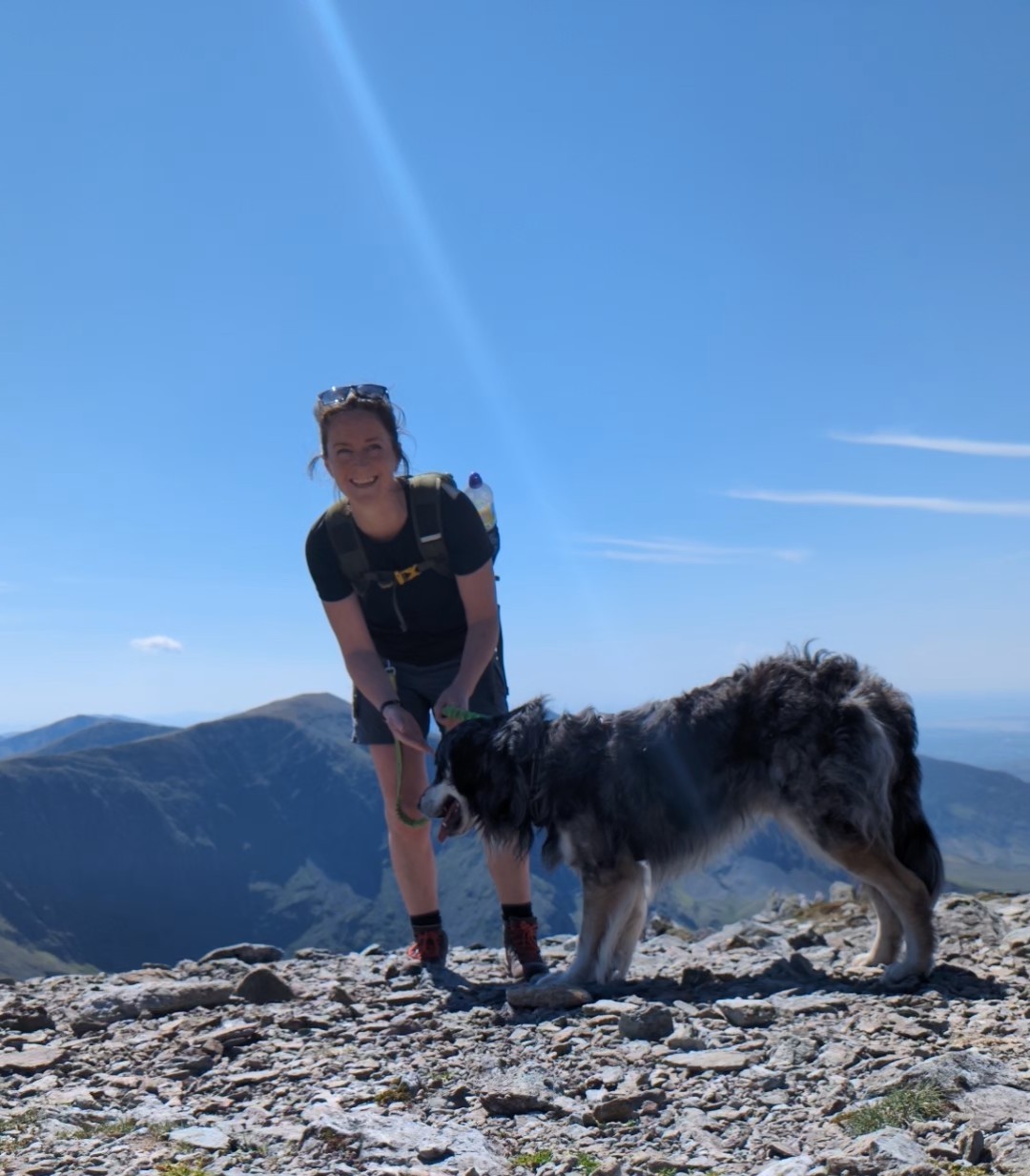
By Hilary Pullen
Meet Hilary, Editor of Get Outside – the Ordnance Survey Blog. Hilary is based in North Wales and loves hiking with her dogs in the mountains of Eryri and Bryniau Clwyd, you can find her on Instagram @nearlyuphill and read her guides to walking in North Wales on her blog. Drop her an email hilary.pullen@os.uk if you are interested in posting an article on Get Outside.