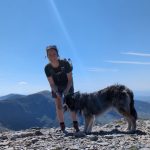
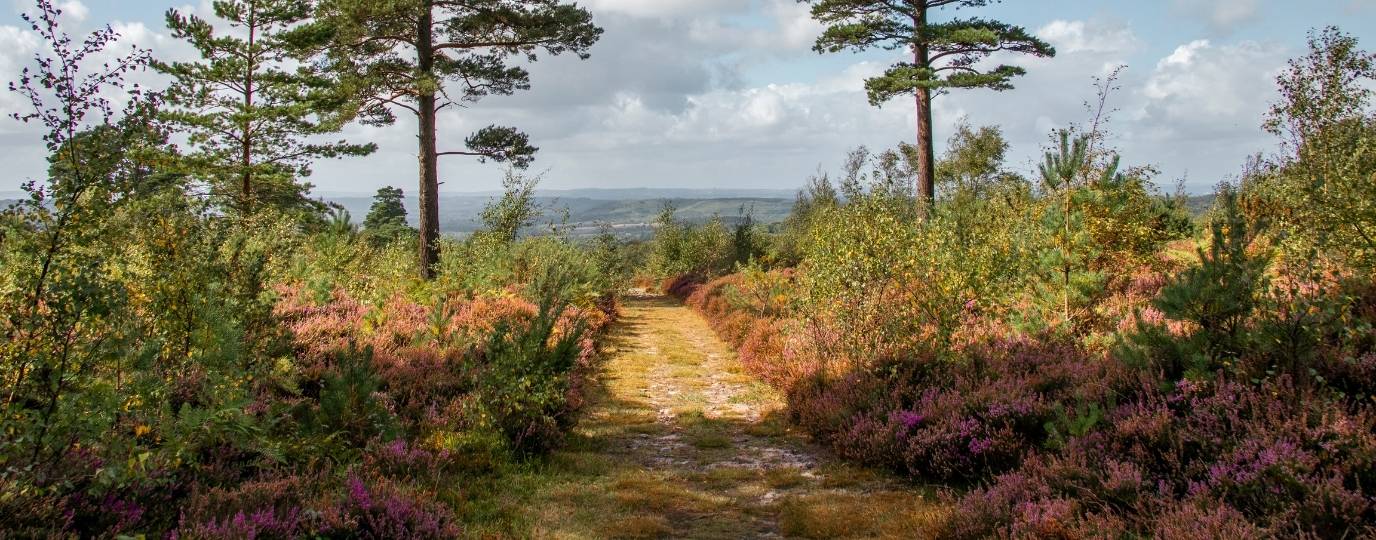
Meet Zoe Tehrani: The London-Based Walker Opening the Outdoors to Everyone
Zoe Tehrani knows better than most how transformative a simple walk can be. What began as her own search for space, calm and clarity has grown into a platform inspiring thousands to explore beyond London’s city limits, often for the very first time. If you live in London or the South East and want to swap the sweaty gym or busy streets for fresh air and countryside paths, Zoe shows you exactly how to make that first step.
As a physiotherapist, writer and author of a brand new book, A Walker’s Guide: 30 Walks from London Using Public Transport, Zoe has become a go‑to voice for accessible adventure. Her focus is simple: making it easier for people with or without a car, to reach beautiful countryside, feel more confident outdoors and enjoy the benefits of moving their bodies.
I caught up with Zoe to chat about what first drew her to walking, how her website ‘She Walks in England’ became a go‑to resource for London hikers, and to get some practical tips for beginner hikers. She also shares her best tips for staying injury‑free, boosting motivation and, of course, her favourite hiking snacks
You’ve mentioned that, although you hiked a lot abroad in your 20s, you didn’t really start exploring England on foot until you turned 30. What shifted for you at that point?
I was suffering with depression, and was actually considering moving abroad. I thought this is what would make me happy. The last time I was happy was when I was backpacking around south east Asia, so I took a trip to Hong Kong to scope it out, but didn’t feel what I was hoping for. I realised I would be swapping one city for another.
Someone there told me about a hike you could do by getting the train out for the day, then back to the city. Doing that hike, I felt incredible. Being out in nature, amazing views. I felt alive. It was so easy to get to, and I wondered if London was the same. Could I get a train out for the day for a hike?
So when I returned I looked into it, and discovered how easy it was to access the countryside by train. So I started doing this on weekends. It gave me something to look forward to. Planning out hikes, first day trips from London, then weekend trips from London. For the first time I saw how beautiful England was, my depression gradually lifted. And now I wouldn’t want to live anywhere else.
You also spent time living in Yorkshire and Devon. How did those landscapes shape your relationship with walking compared to life in London?
I’d already been hiking across the UK for some years before moving to these areas, so I wouldn’t say it shaped my relationship with walking in a different way to living in London, but it definitely made me think about moving out.
The south west coast path is my favourite place to hike. But I’m equally in love with Yorkshire. Such easy access to the Yorkshire Dales, North York Moors, Peak District. One day I think i’ll move to one of these areas. But London does have it’s benefits. With the most extensive train network to be able to travel all over the country to see different places. So it will do nicely for now.
You run She Walks in England, an incredible resource for hikers. When did you first realise there was a real gap you could fill and how do you feel about having such a big online following now?
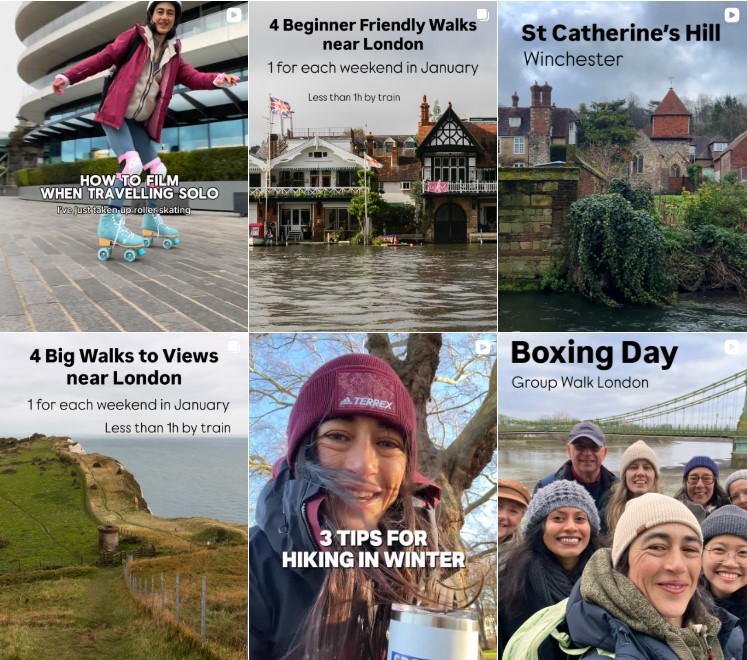
People started asking me about the hikes I was doing. They always had the same questions; how do you know where to go? Is it possible to do all these hikes using public transport? Is it possible to do day trip hikes from London? How do you plan it? Etc. These were the same questions I had when I started out. When I would be researching online, I could never find a resource which gave me all the information I wanted. It would be bits and pieces here and there from different sources, and then the rest just finding out on the go. So I decided to start a website.
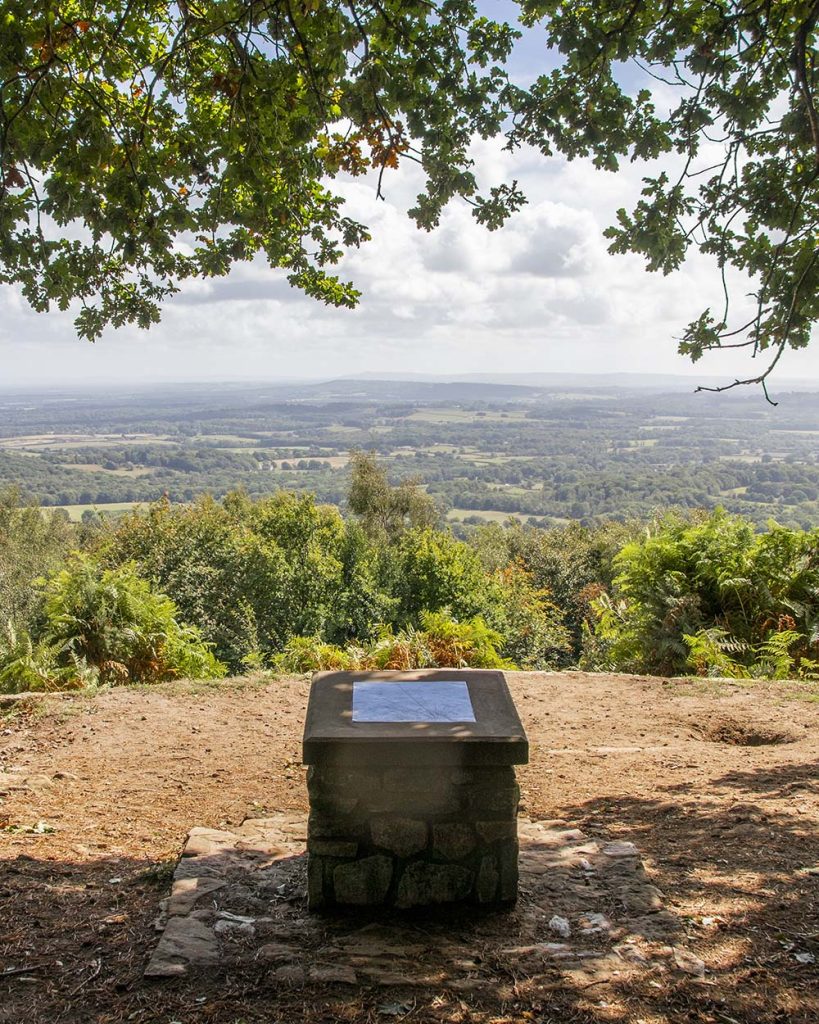
She walks In England is a resource for people to find all these hikes, answering all these questions. The kind of thing I was looking for when I didn’t know where to start. Having a big online following has pros and cons. On the one hand it has meant I’m able to reach much more people.
I get a lot of DMs/emails from people telling me the outdoors always felt out of reach, or they have no one to hike with and were scared to go solo. But seeing my content changed that. They now go hiking regularly, or do solo hikes. I’ve had people reach out who were suffering mentally, depression, anxiety, but have been inspired to try the hikes and has made a huge different to their life. This is the best part about it.
On the other hand, reaching more people I do think about the impact on the places I’m recommending. There’s a lot of stuff out there showing ‘hidden gems’, so I focus a lot on showing other corners of the countryside. The places that don’t go viral. I also like to try out and recommend local cafes/farm shops/coffee shops in the villages the walks go through, to support the local communities.
You’re a physiotherapist as well as a walker, how does that influence the way you think about the body, movement, and staying safe outdoors?
I would say that I don’t practice what I preach as much as I should. Well, I didn’t for a long time. It’s classic health care professional. I would ignore niggles, pains which you can often get away with when you’re young. But as I’ve gotten older, that stuff sticks a bit more. I used to do a lot of high intensity exercises, and didn’t give my body adequate recovery, never ever stretched.
Now I keep my strengthening simple, and focus a lot on Pilates and yoga, which has made a huge difference (surprise surprise). These are excellent for deep core strength, stability, recovery. I also make sure to try to stretch after every hike. Stretching is the thing you’ll notice the biggest immediate impact from, by feeling less sore the next day.
Are there any simple exercises or strengthening habits you think walkers should do to help prevent injuries?
I would classify this into preparation and recovery. Preparation is the long game. Strengthening exercises. Making them functional so they mimic the movements/muscle actions during a hike. For example: Steps ups, step downs, heel raises. But in general, strengthening all the muscles in your legs is good. Ankle stability exercises are also great. For example, if you have a gym with a bosu, you can do single leg balancing on it, single leg dips, or lunges on it. Without gym equipment you can use a cushion to provide the instability.
Then recovery is stretching. Calfs, hamstrings, glutes, quads, hip flexors. These are the obvious leg ones, but the upper body and back often gets neglected. Carrying a backpack gets these areas. My go to’s are pec stretches, neck stretches, knee hugs, then my favourite is thoracic (middle/upper back) extension stretches. For this I lie back over a foam roller or pilates ball. Honestly it’s the best. Once you try it, you will wonder how you went your life without ever doing it.
I’m a big believer in doing exercise you enjoy, otherwise you won’t stick to it. So if you know you won’t stretch, then try yoga. I follow classes on YouTube. Pilates is excellent as it targets the whole body/core. Remember, hiking doesn’t just use your legs. You need a good core for carrying your backpack, good posture when walking for extended periods. But its a bit trickier if you don’t know what you are doing. More often than not, when I try classes, it’s not taught correctly. I would recommend looking for a class where the instructor is APPI trained (developed by physiotherapists for injury prevention using evidence based techniques) so you can learn how to do the exercises correctly. Or even see a physiotherapist who can teach you, and show you what you need to work on after assessing you. You can then apply these principles to any class you go to, or follow on YouTube.
You might have seen our ‘Gym With Us’ campaign encouraging people to exercise outdoors. Living in a city, do you find it easy exercise outside (locally) and what’s your relationship with the gym vs. the outdoors?
London is actually a very green city. There’s so many parks and green spaces so it’s pretty easy to find a nice place to exercise. Even walking counts. I’ve been cycling around London for over 20 years, and the amount of bike lanes has significantly increased, so there are plenty of places to cycle without having to worry as much about car traffic. You don’t even need your own bike, as there are a few companies now where you can pick up/drop off bikes around the city (make sure you bring a helmet though!).
The gym is an interesting one. I gave up my membership during Covid, and didn’t go back for about 4 years. Prior to that I’d always had a gym membership and couldn’t imagine not having one. Over those 4 years I switched to home exercise/outdoor exercise and honestly I never missed the gym. I actually preferred my new routine. It was much easier than traipsing to the gym, less likely to talk yourself out of it when you aren’t feeling motivated, and saved money. I only joined again on a whim after a break up. Then regretted it, but I was now tied into a contract for a year. I had no interest in using the gym, but it had a pool, so I dabbled in that. I ended up staying because of the pool. I found that I feel so calm and relaxed after a swim. This is the one thing I can’t really get without access to a gym or similar…unless I moved to the coast. I draw the line at swimming in the Thames. If it didn’t have the pool I wouldn’t bother with the gym through. You can get all your fitness in without one…and save money in the process.
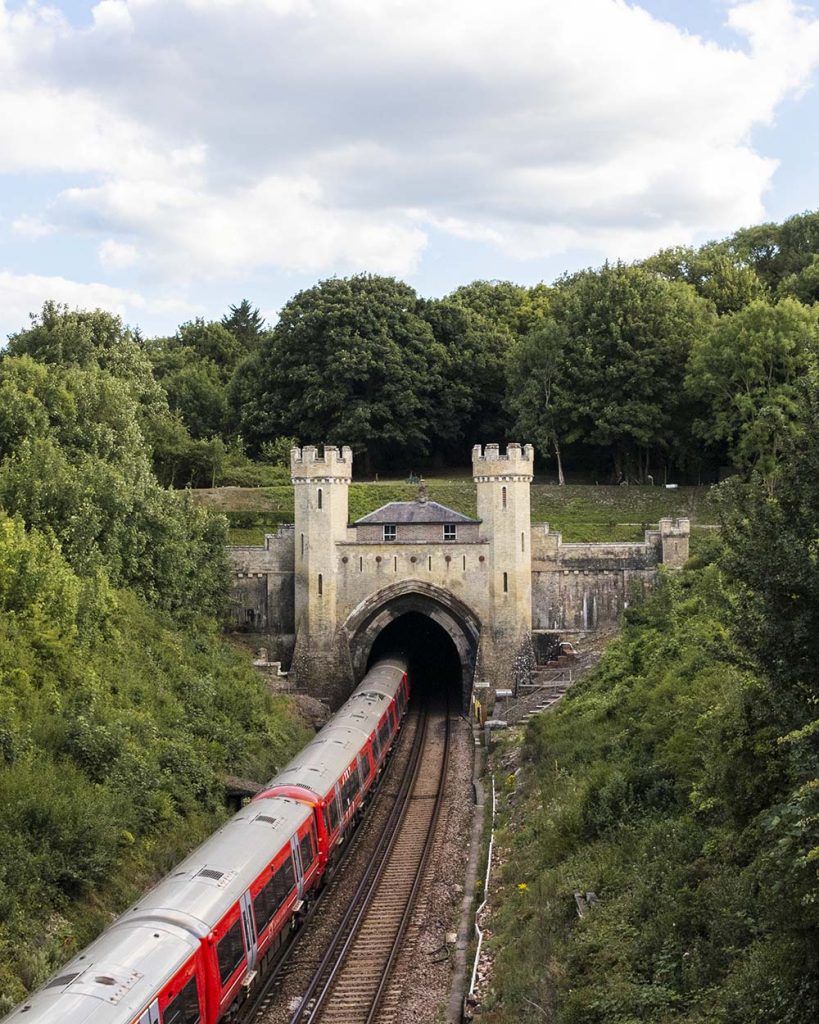
You’ve spoken about walking helping you through low mood. What realistic, gentle walking habits made the biggest difference for you, especially on days when motivation was low?
I definitely have days where I’m not motivated. On those days I’ll look more into a local walk rather than a day trip out of the city. Something as simple as walking to my local park. I might have to coax myself to actually get out though. For example, having a good podcast to listen to. Or having a coffee stop along the walk. Coffee always motivates me. I’ve also recently been learning about forest bathing. It comes from Japan, and is the practice of immersing yourself in nature, and really slowing down and paying attention to your surroundings. The ground beneath your feet, the way your body is moving, the sounds, smells, things you see. Paying attention to the little details. It’s been shown to help with low mood/depression/anxiety. You don’t need to go to a forest for this. Any green space works.
For someone who wants to start hiking this weekend without a car, what’s your best practical advice for getting started and feeling confident?
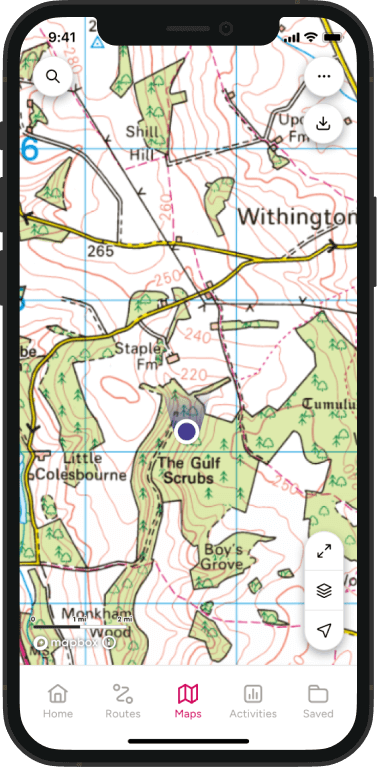
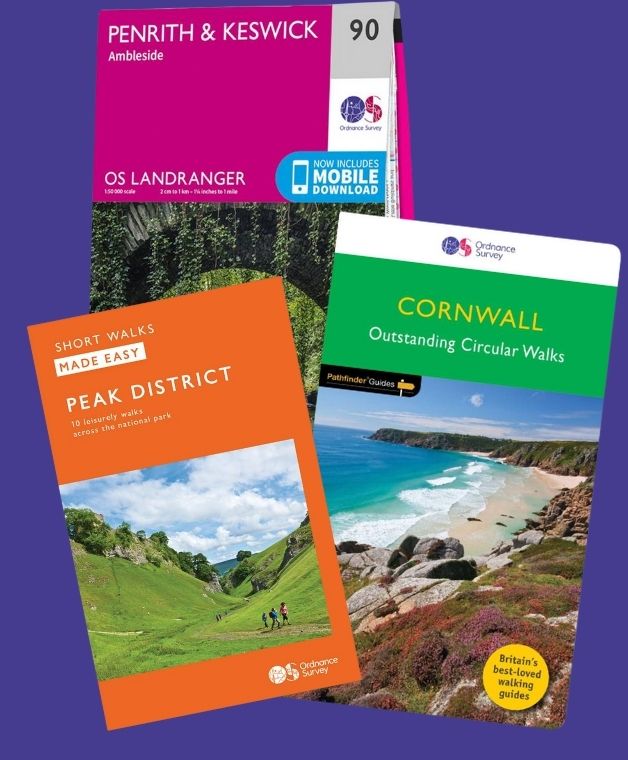
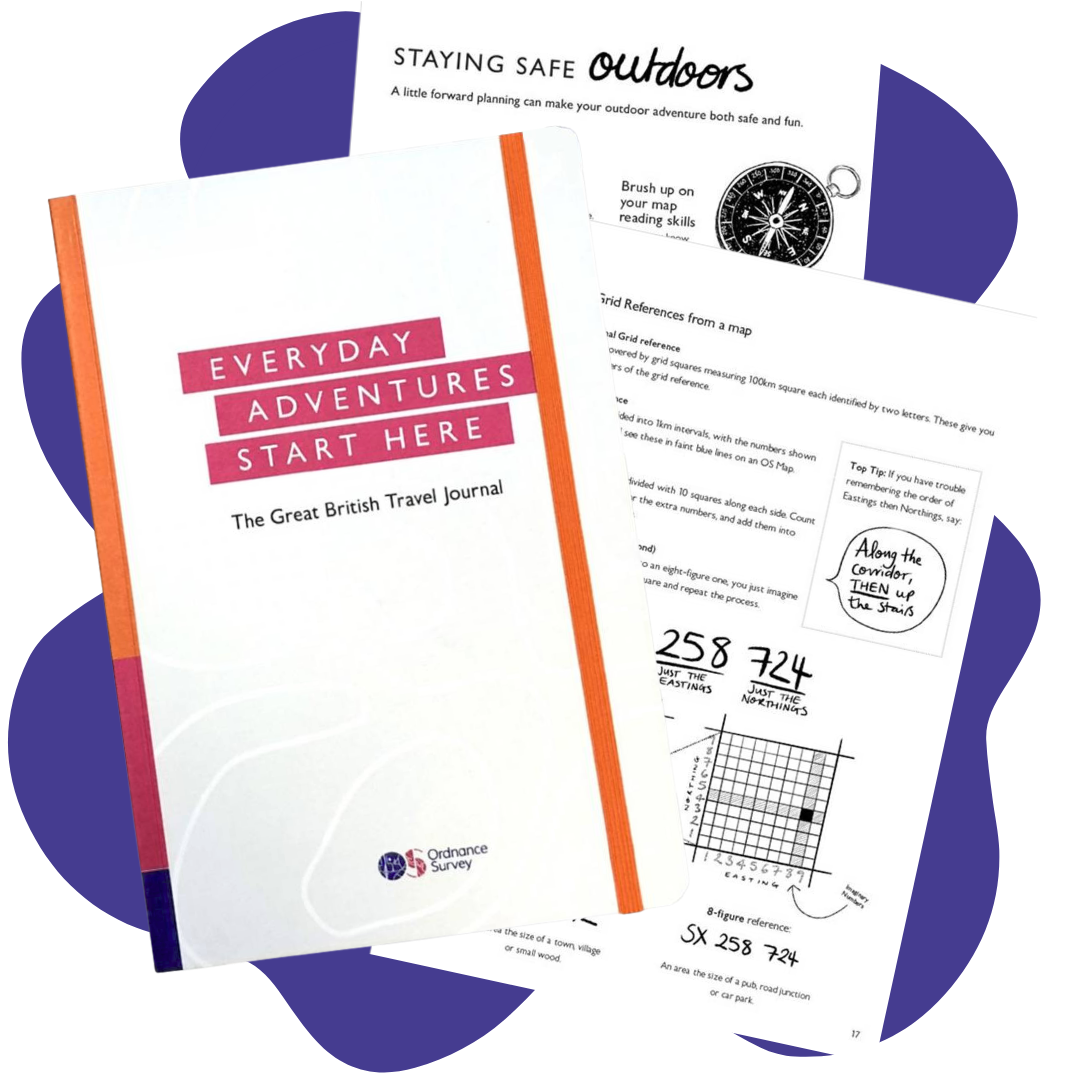
First plan your route, or find a route to follow. Something which starts/finishes at a train station. Have the map downloaded if you are using your phone for navigation. Learning how to navigate with a map and compass is the best, but very few people do it. It’s not essential, but it will definitely help with confidence. I plan my routes using an OS paper map, and the level of detail is unmatched. So before heading out I already know things like what the terrain is, how exposed I’ll be, am I walking through farms etc.
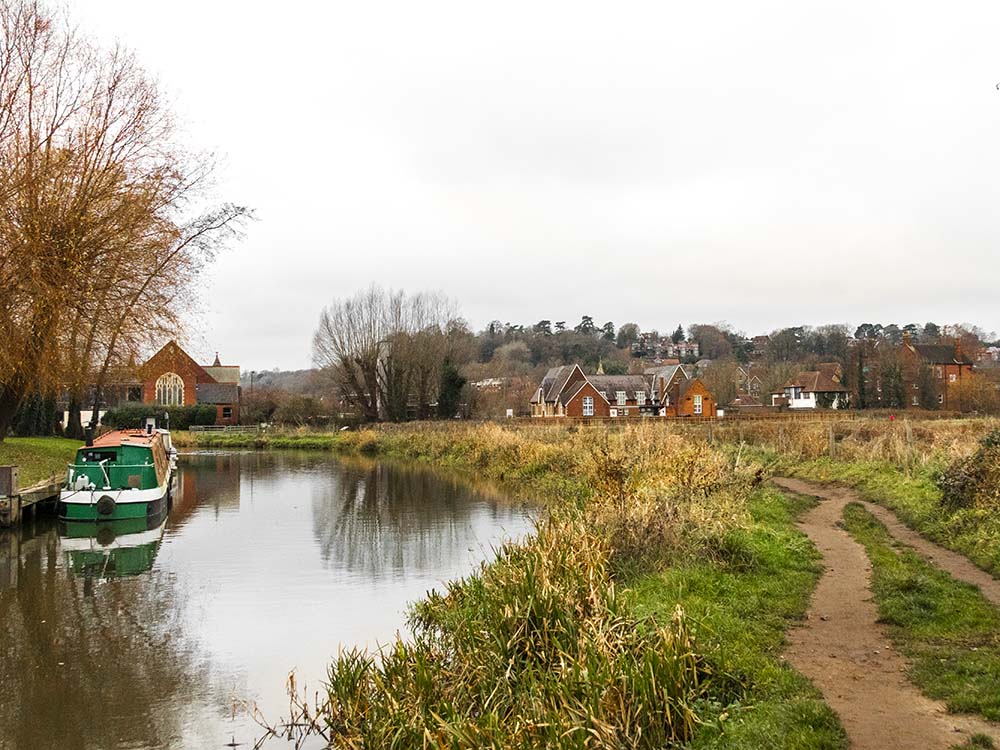
If it’s your first time I’d pick a route which is easy to follow, and not super remote, and not too long. A coastal walk, or river/canal walk works great. Check the weather to make sure it’s suitable for hiking. Keep checking it leading up to the day, and then again on the day. Invest in some good hiking gear, and dress appropriately for the weather.
Make sure you pack the essentials, i.e water/food/snacks/emergency kit/power bank/spare layers (including waterproofs). Pack your bag before the day, so you are prepared/incase you don’t have something, so you have time to get it. Tell someone where you are going and set a time to check in with them after. I’d also recommend setting up the 999 text service. If you need help but have no phone signal, you can send a text to 999, as text requires less band width than calls. Also think about daylight hours. Days are shorter over winter, so make sure you don’t head out too late or you’ll end up walking in the dark. Oh, and check the trains are running.
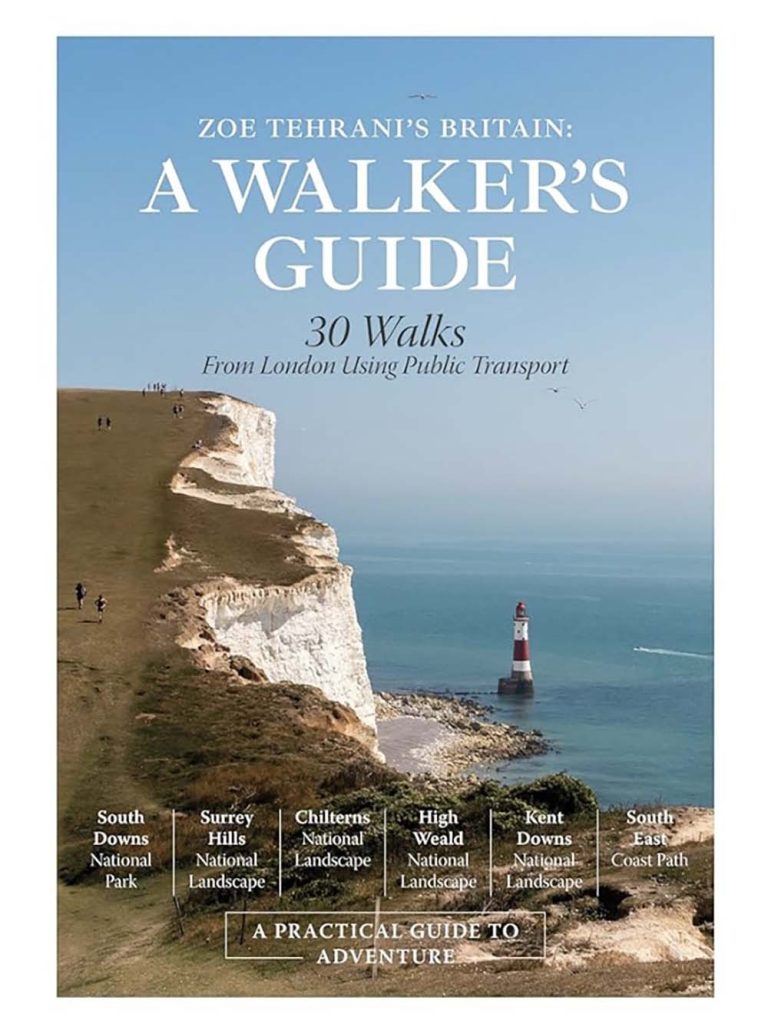
Your new book, Britain, A Walker’s Guide – 30 Walks from London Using Public Transport, is beautiful. How did the idea come about, and how did you choose which routes to include?
I’d always had the idea to write a book, as a follow on from my website, but just never got around to it. How does one even do this? I didn’t really know where to start, and it felt like a far away dream. Then I was approached by Synergy Publishing and it went from there. When choosing which routes to include, the obvious one is choosing walks you can get to using public transport. Then it was narrowing it down, as there are so many options. I wanted to have a spread across the different national landscapes, coastline, and national park surrounding London. A variety of different types of walks for different tastes and abilities. Plus of course my favourite ones.
Is there a walk in the book that carries special personal meaning for you and what makes that route stand out?
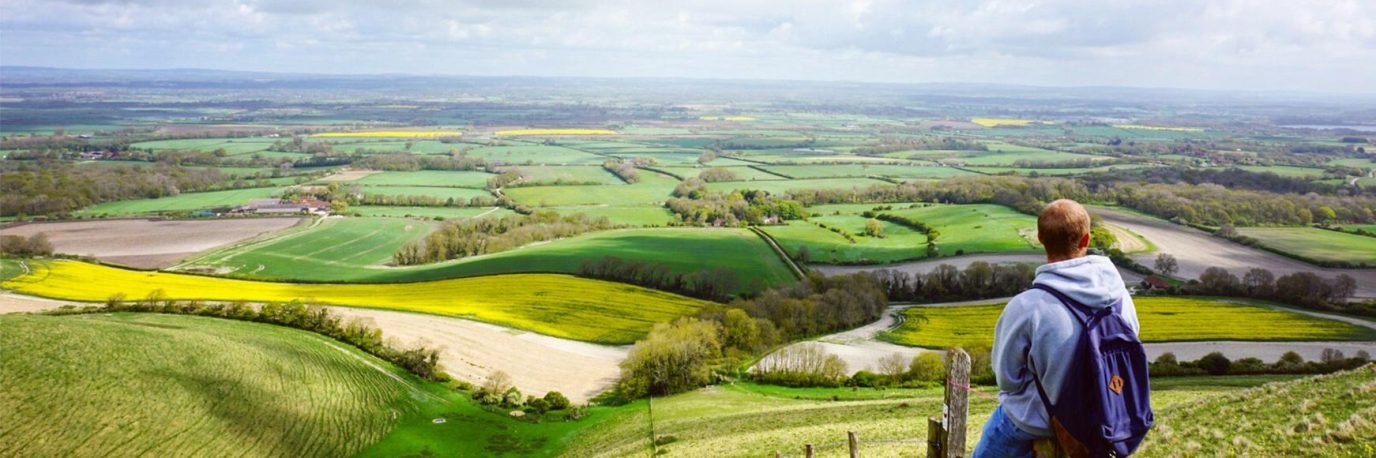
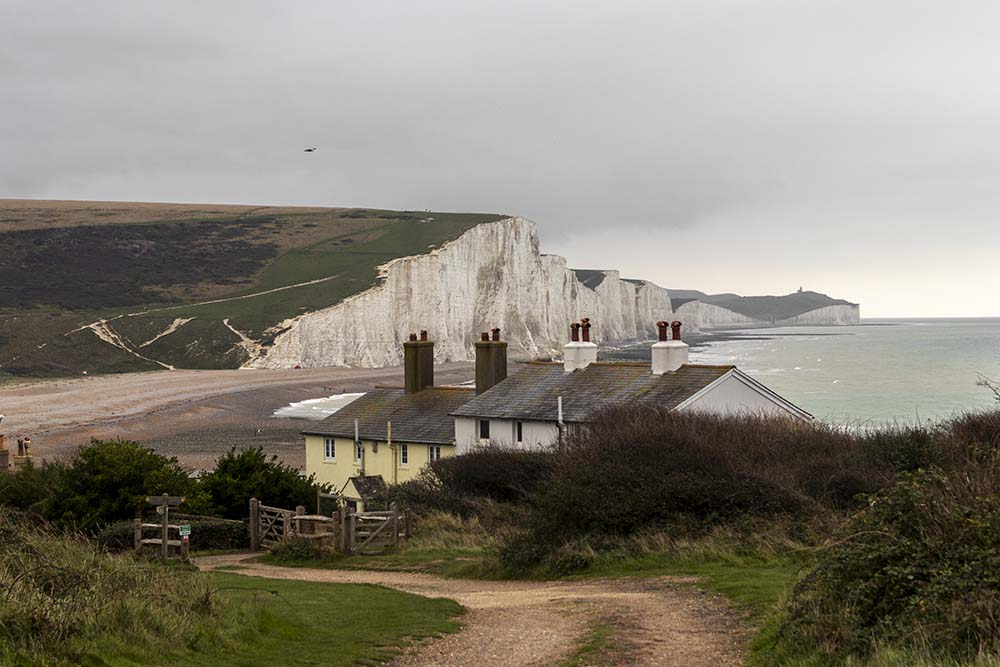
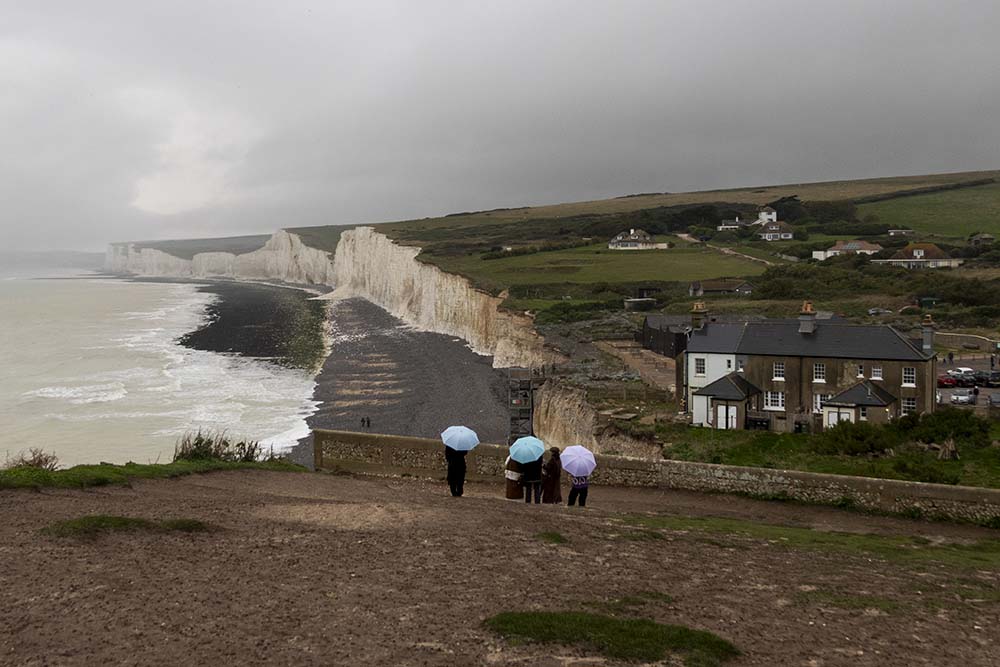
I’m going to be boring and say the Seven Sisters. It’s probably one of the most well known hikes you can do as a day trip from London. But I would say it has personal meaning as it’s one of the first walks I ever did as a day trip. Seeing the Seven Sisters, as an introduction to the England countryside will get you hooked.
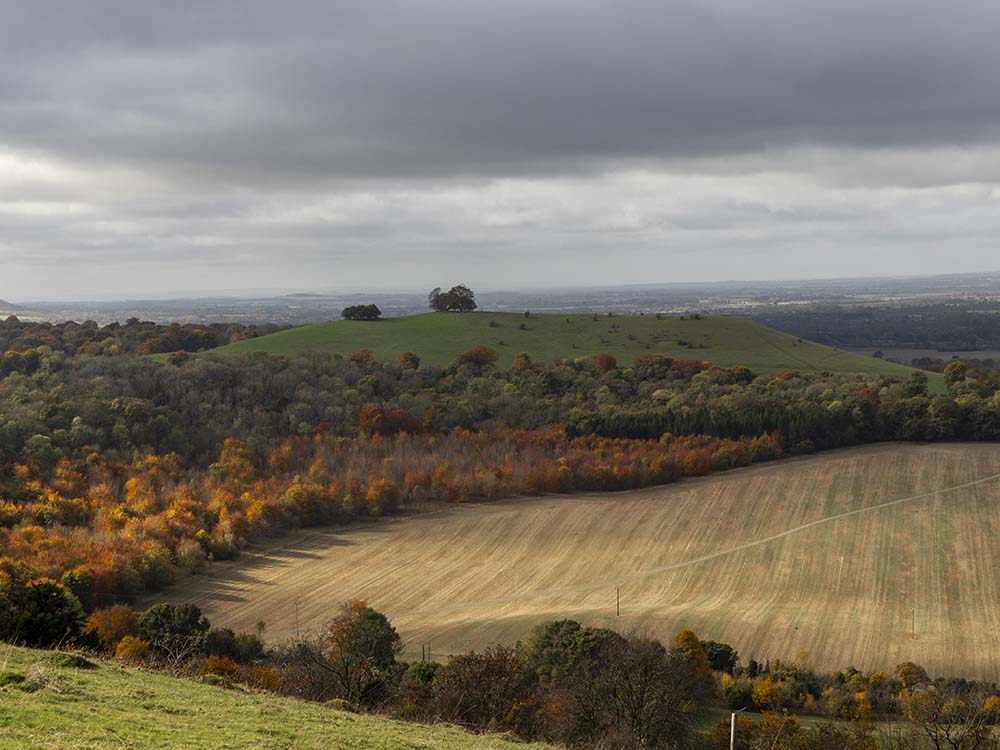
Growing up in London, you’ve joked about being a “London snob.” What do you think would inspire more young people, especially in cities, to adventure more in the UK?
Younger people are growing up with social media, so I think this plays a big role in showing them what’s out there, making it accessible, and ‘cool’. For me, growing up, walking was always associated with ‘older people’. Something for retirement. Boring. Living in a city, you didn’t see that walking is actually for everyone. You didn’t know much about the landscape of the country without someone telling you. With social media now we can reach the younger generation. I think also, there’s the cost. Traveling around the UK is seen as expensive (which it can definitely be), but there are also ways to do it on a budget. So I think showing this side of travel will help too.
And finally… the most important question of all: what’s your go-to hiking snack, and why?
Oooh good question. I would say an energy bar of some sort. I always have a stash at home ready to go. When I’m organised I like to make my own sometimes too. They are convenient, easy, high energy. Not going to go bad sitting in your hiking bag on a hot day. And you can have so many different kinds and variations, wether you buy them from the shop or make your own. My go to hiking lunch food has always been porridge. Doesn’t sound exciting, but it’s perfect as it’s easy to digest when hiking, good for energy, convenient, budget friendly. You can play around with toppings. You have to be a porridge fan for this though. And I love porridge. I also love a soup and sandwich. You’ve got carbs from the bread, liquid intake from the soup, and most importantly, it’s delicious and especially comforting on a cold winter hike. Nothing beats dipping a sandwich into hot soup, sitting out in nature on a cold crisp day.
Find out more about Zoe’s fabulous walks over on her website She Walks in England
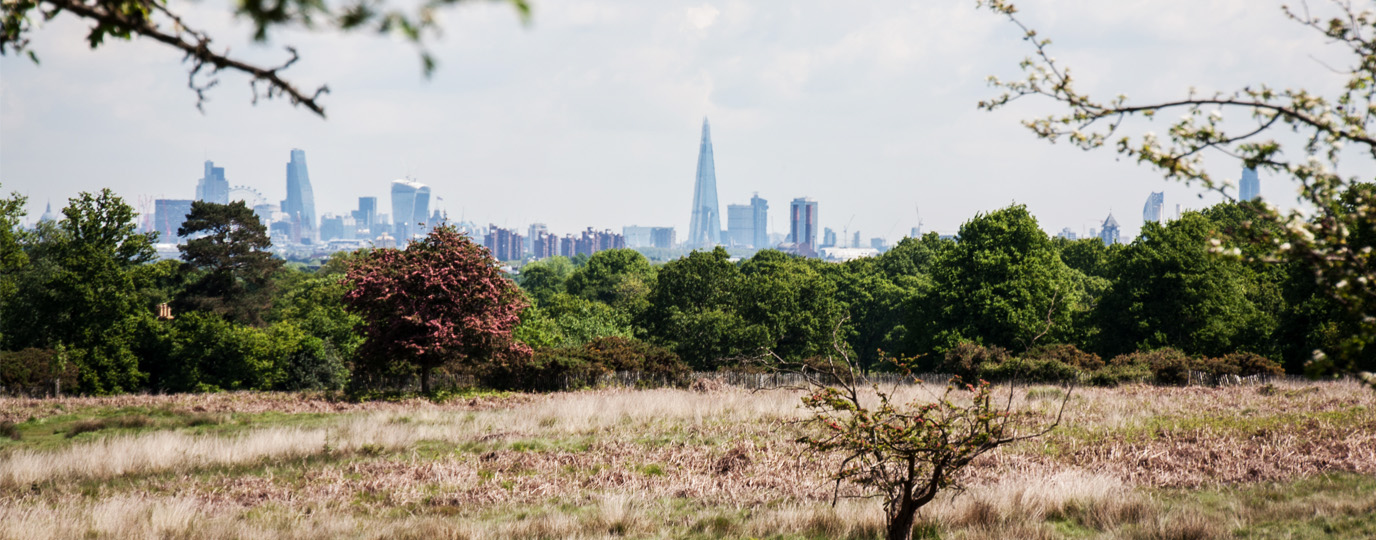
London City Walks
Take a break from the hustle and bustle of London with our guide to nature walks, including royal parks, ancient forests, and tranquil paths.
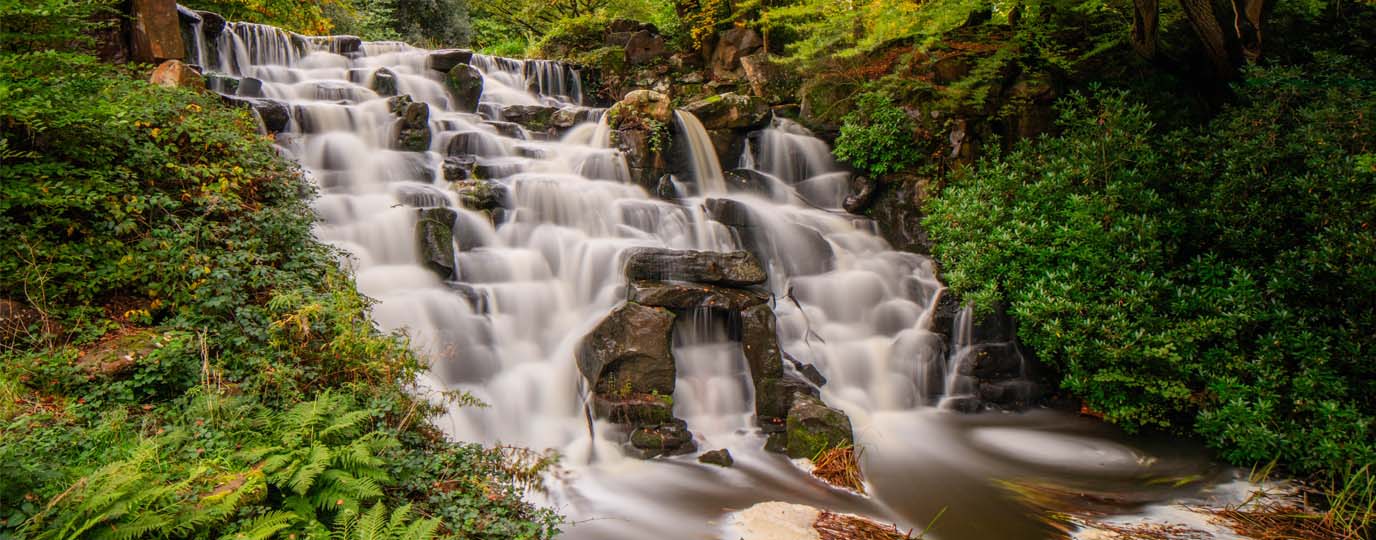
Where are the Best Waterfalls near London?
Explore stunning waterfalls near London and find the perfect walk just a short drive or train ride away from the city.
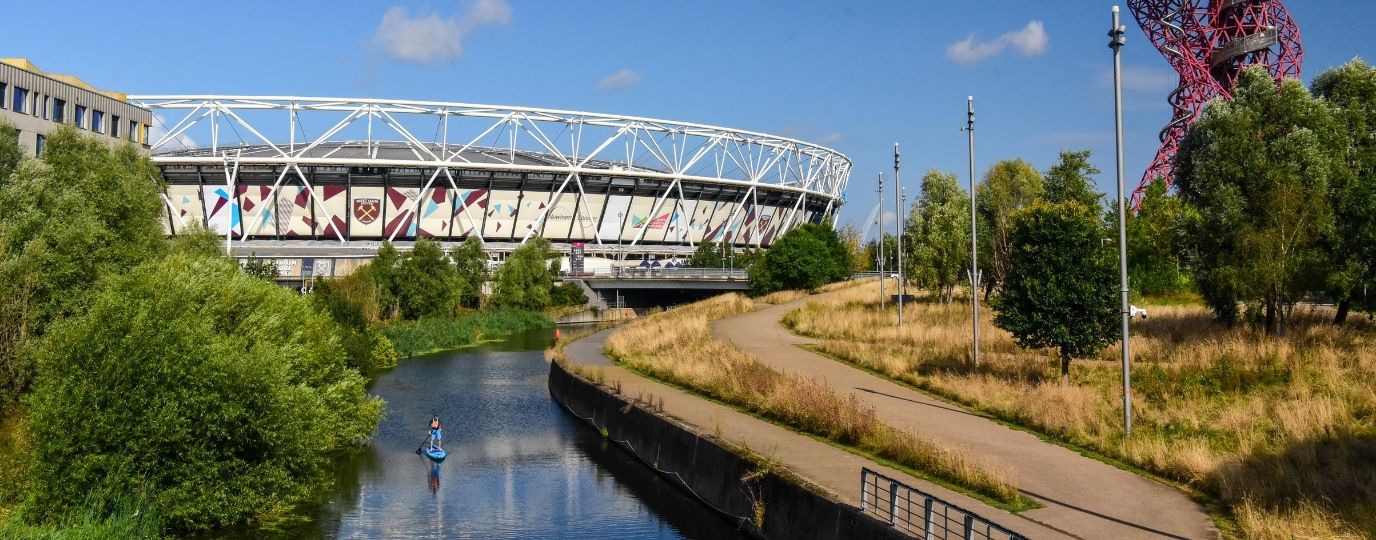
10 Picturesque Paddle Boarding Routes in London and The South East
Paddleboarding expert Lisa Drewe shares 10 Paddleboarding routes in London and the South East from her new book! (all easily accessible by train)
By Hilary Pullen
Meet Hilary, Editor of Get Outside – the Ordnance Survey Blog. Hilary is based in North Wales and loves hiking with her dogs in the mountains of Eryri and Bryniau Clwyd, you can find her on Instagram @nearlyuphill and read her guides to walking in North Wales on her blog. Drop her an email hilary.pullen@os.uk if you are interested in posting an article on Get Outside.