Have you visited any of these beautiful UK Wetlands?
We’ve invited the RSPB to share a little about what makes these watery habitats so vital and awe-inspiring, and where you can head to in order to experience the teeming wildlife at your nearest wetlands site!
What is a wetland?
So what is a wetland? The term encapsulates a huge variety of semi-aquatic ecosystems (both coastal and freshwater), including everything from large bodies of water like estuaries, fens, saltmarshes and mudflats, right down to the wildlife pond you might have dug into your garden. In essence, a wetland is an ecosystem that is either permanently or seasonally covered with water.
Wetlands are essential for both animal species and humankind to thrive. Though they cover just 6% of the earth’s land surface, wetlands provide a home to over 40% of plant and animal species, who live or breed on them. However, these vital habitats are facing devastating losses, with our global wetlands disappearing at a faster rate than the world’s forests, with over 90% lost over the past 100 years.
Wetlands have an essential provision for people too. Estuaries, peatland and saltmarshes are key to halting climate and biodiversity crises, as they are capable of locking away huge amounts of carbon. Not only this, but wetlands can provide significant defence against flooding, particularly as it becomes increasingly frequent and extreme. Aquatic ecosystems can slow water down during heavy rainfall and also retain large volumes of water, reducing the danger of flooding to nearby areas. For coastal communities, intertidal wetlands are particularly crucial, as during storms they are capable of absorbing energy from waves – thereby reducing their size – and can also mitigate the damaging effects of coastal erosion from the sea.
Not only all this, but research also demonstrates that time spent in the natural world is good for our wellbeing. Our wetlands are home to a brilliant array of wildlife, and getting out to explore them (and support conservation efforts to protect them) can be an amazing tonic in the depths of winter.
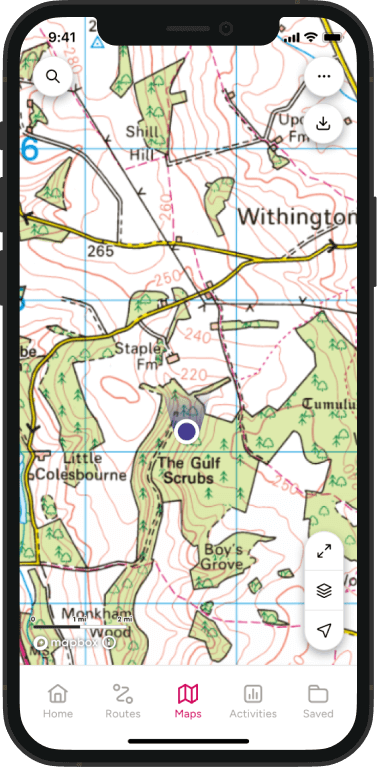
How to find RSPB Sites on OS Maps
If you’re looking for your closest wetlands and RSPB Nature Reserves on OS Maps, look out for the blue bird symbol.

RSPB Wetlands in Scotland
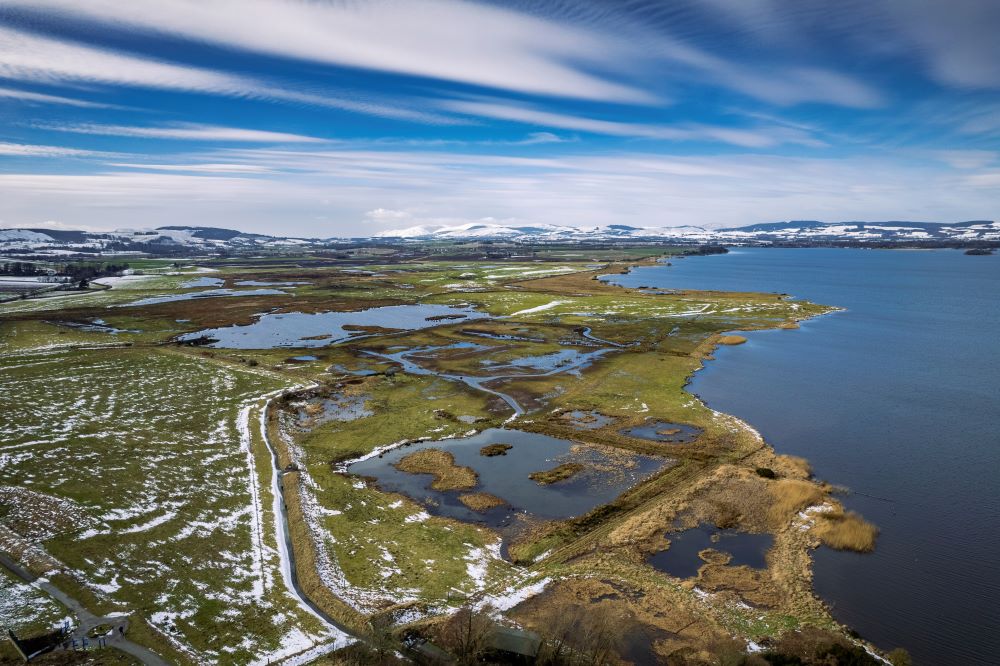
Loch Leven Nature Reserve, Perth and Kinross
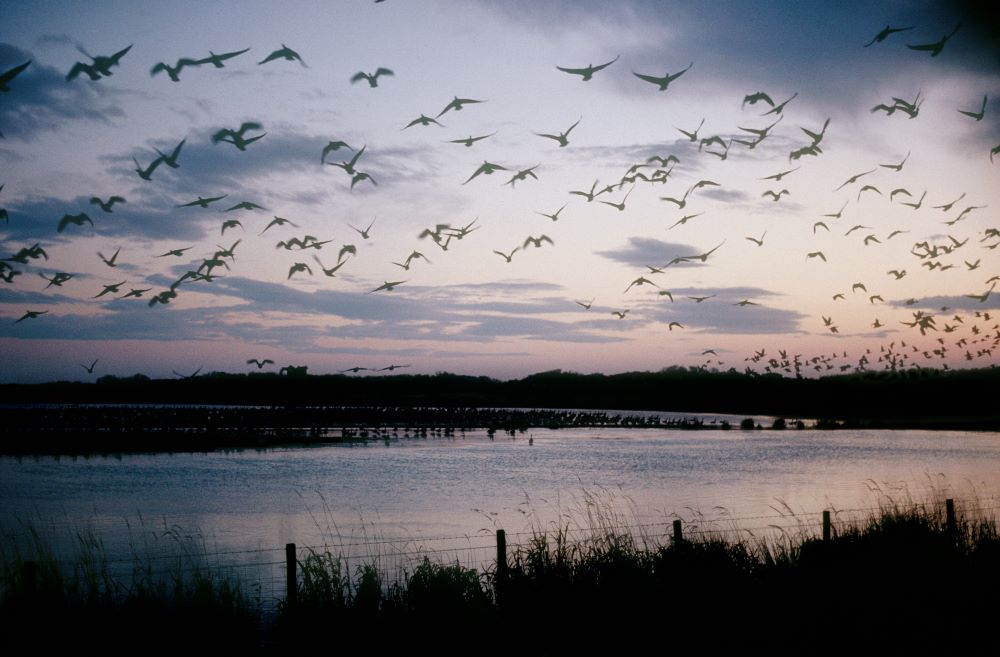
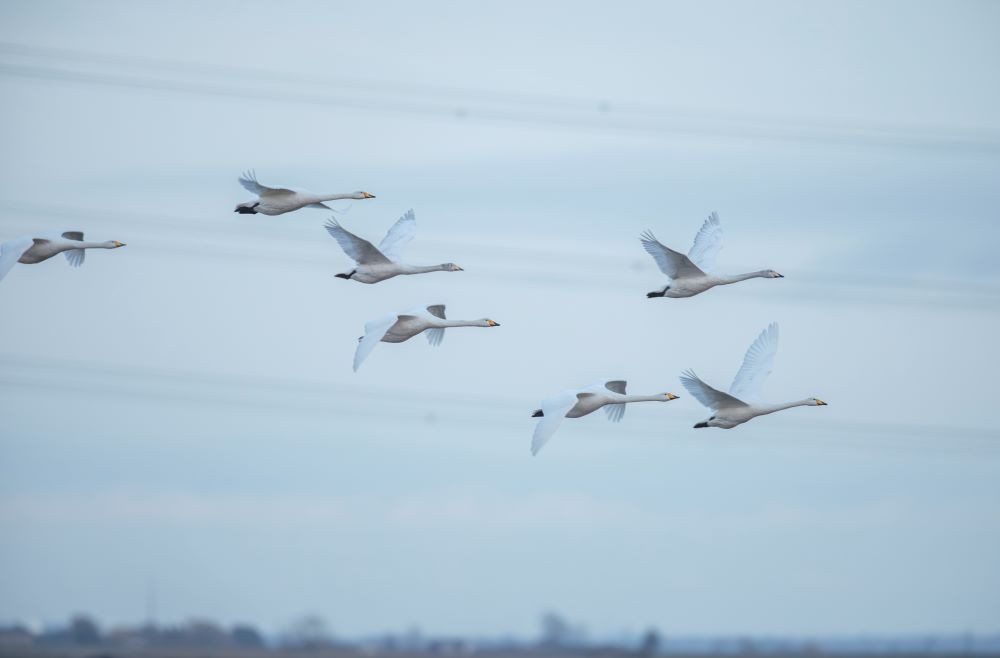
Sited on the south side of Loch Leven, our reserve blends diverse wetland and woodland habitats with stunning views across the loch. Look out here for Whooper Swans (whose black bill with yellow triangle distinguishes it from other swan species) and thousands of Pink-footed Geese, who have flown south to sites like Loch Leven from Iceland, Greenland and Svalbard to benefit from our milder winter weather.
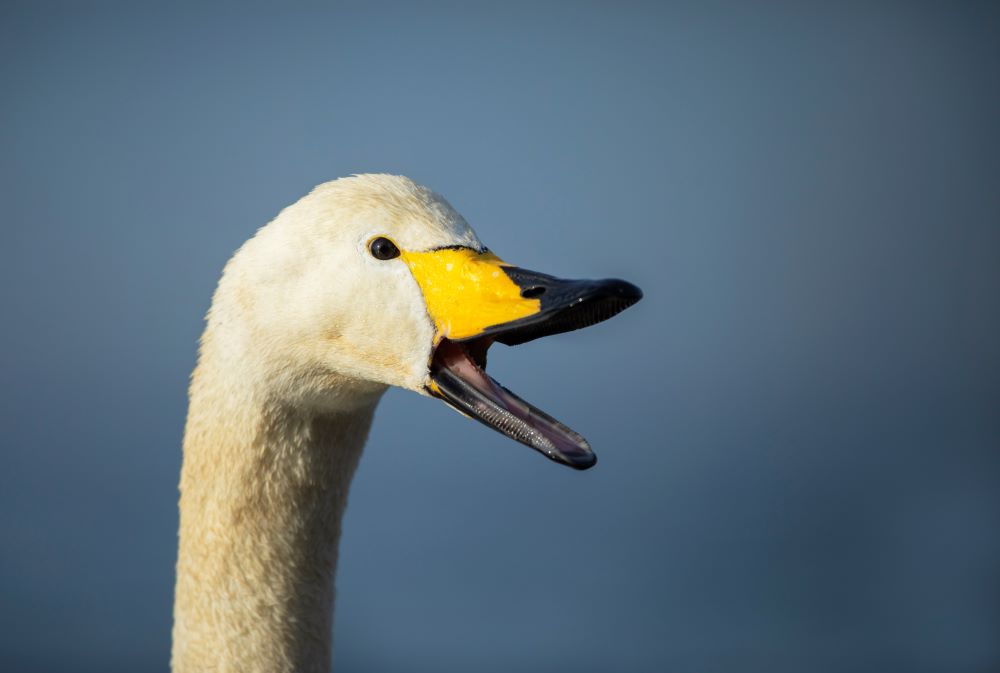
The UK occupies a really vital spot in Northern Europe, meaning that our wetlands rarely freeze over and winter migrants such as Whooper Swans and Pink-footed Geese can still access the aquatic plants which form a large part of their diets.
Lochwinnoch Nature Reserve, Renfrewshire, Scotland
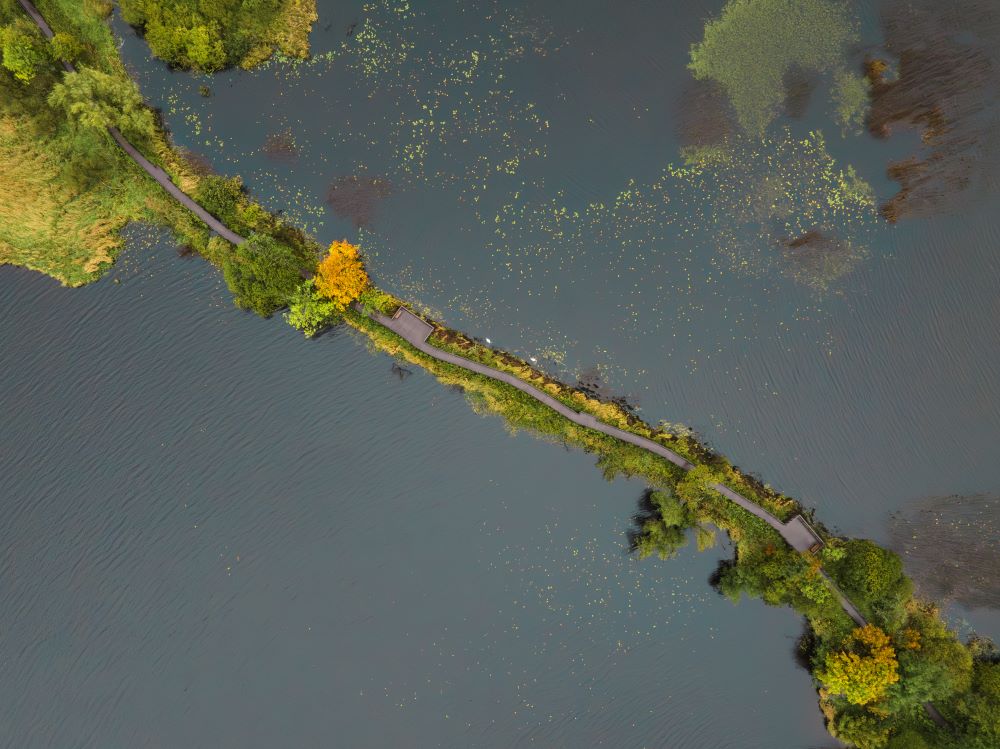
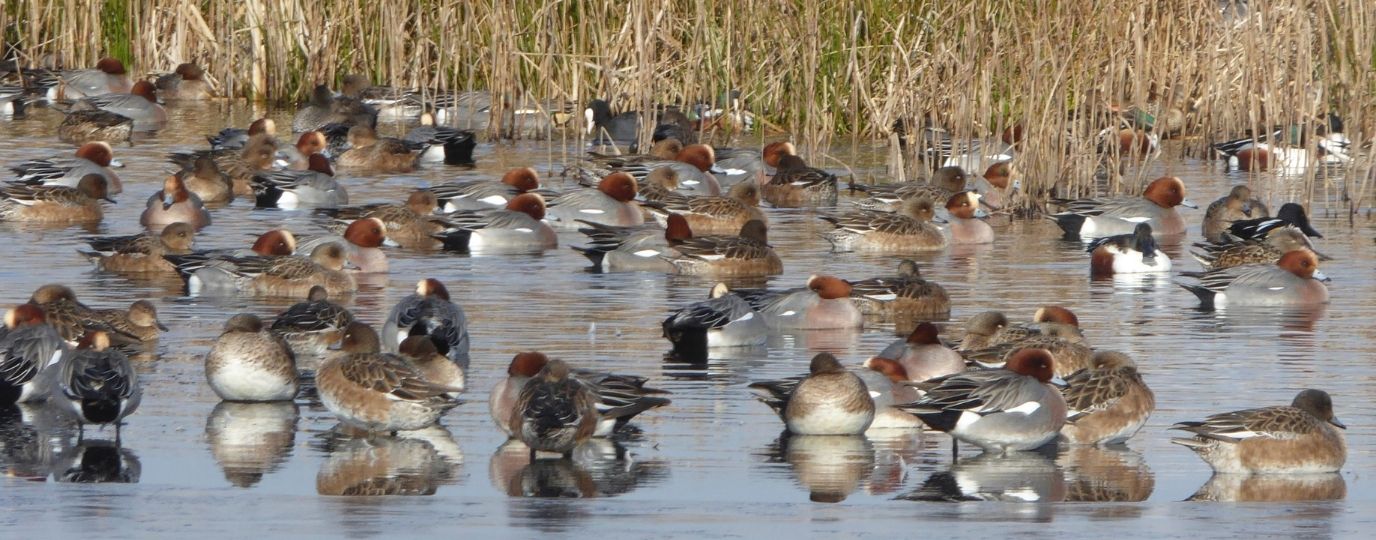
Sitting just 30 minutes outside of Glasgow, RSPB Lochwinnoch (accessible by train as well as car) is one of the rare wetlands remaining in West Scotland and hosts a teeming variety of winter wildlife. As well as Whooper Swans, Lochwinnoch’s network of boardwalks also provides a great vantage point to see wintering ducks from, who have also flown vast distances to escape harsher winters further north. Keep an eye out for the white bellies of Wigeon ducks, alongside the black and white plumage of male Goldeneyes, and the mottled grey and chocolate brown colouring of females.
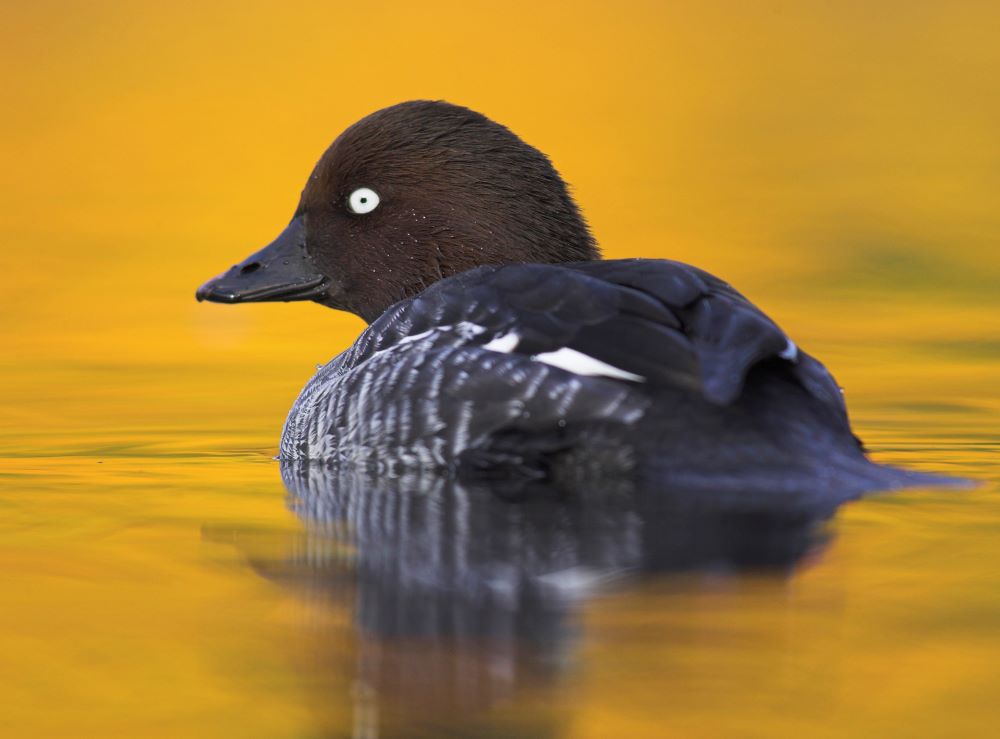
These duck species benefit from the dual food provision of wetlands – the carnivorous Goldeneyes will dive deep underwater to reach mussels, insect larvae, small fish and plants, whilst herbivorous Wigeons will seek out the Loch’s array of aquatic plants, grasses and roots.
RSPB Wetlands in Wales
Cors Ddyga Nature Reserve, Anglesey
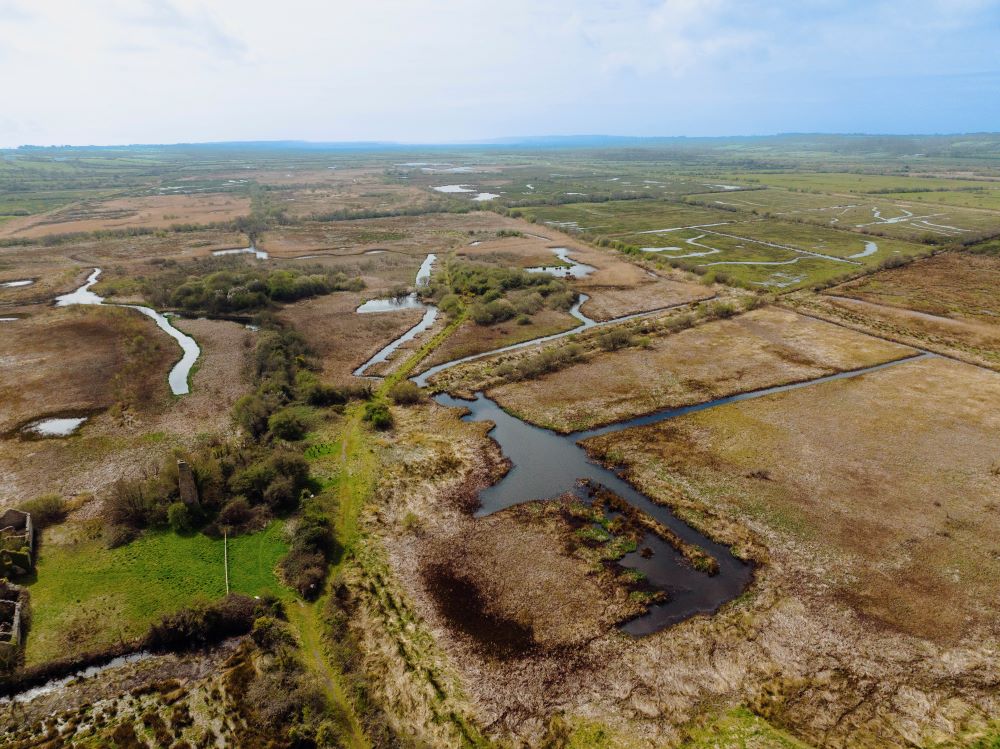
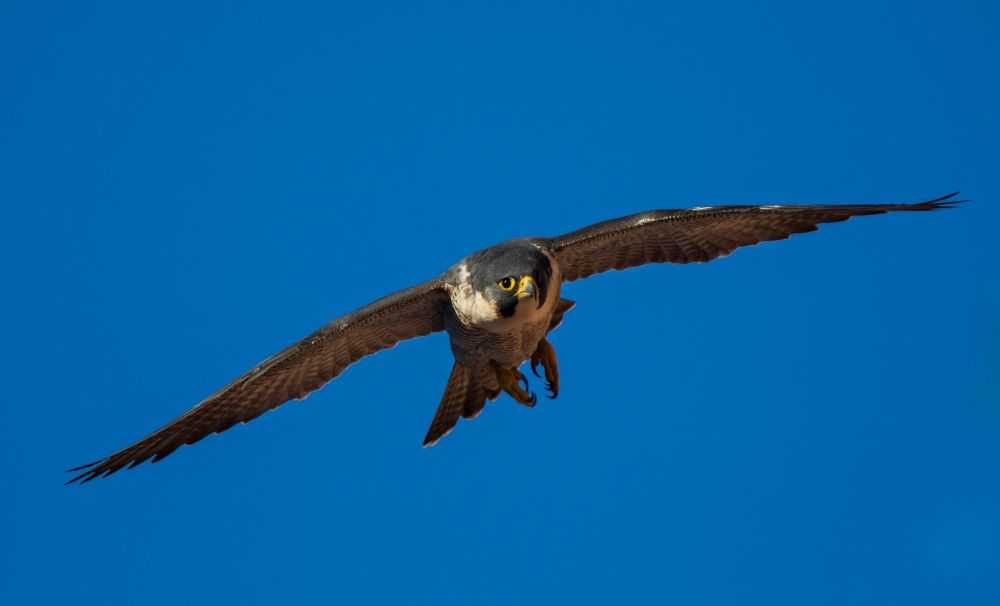
Sitting within Wales’ largest lowland wetlands, the lakes, ponds and ditches of Cors Ddyga play host to a variety of bird-species year-round, alongside over 30 species of scarce aquatic plants. This is another fantastic spot to appreciate wintering wildfowl from, as well as the birds of prey that their presence attracts to this area. At this time of year, species like Peregrines, Buzzards and Kestrels gravitate from their summer breeding grounds in uplands, countryside and farmland habitats towards coastal wetlands to take advantage of additional food sources during these challenging months. If you’re lucky you may even spot a Hen Harrier at Cors Ddyga too!
Parking – From the A5 heading west: Travel through the villages of Gaerwen and Pentre Berw and continue to the other side. The reserve entrance is located on the left hand side directly before the national speed limit signs. Council Maintained Car Park at the beginning of the visitor’s trail.
Newport Wetlands Nature Reserve, Gwent – The RSPB
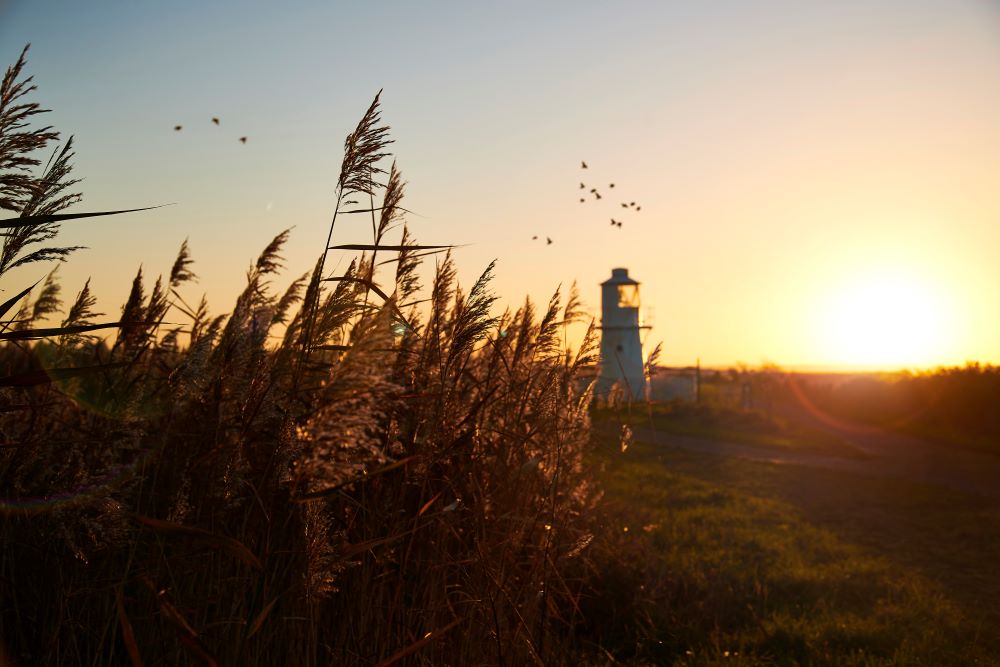
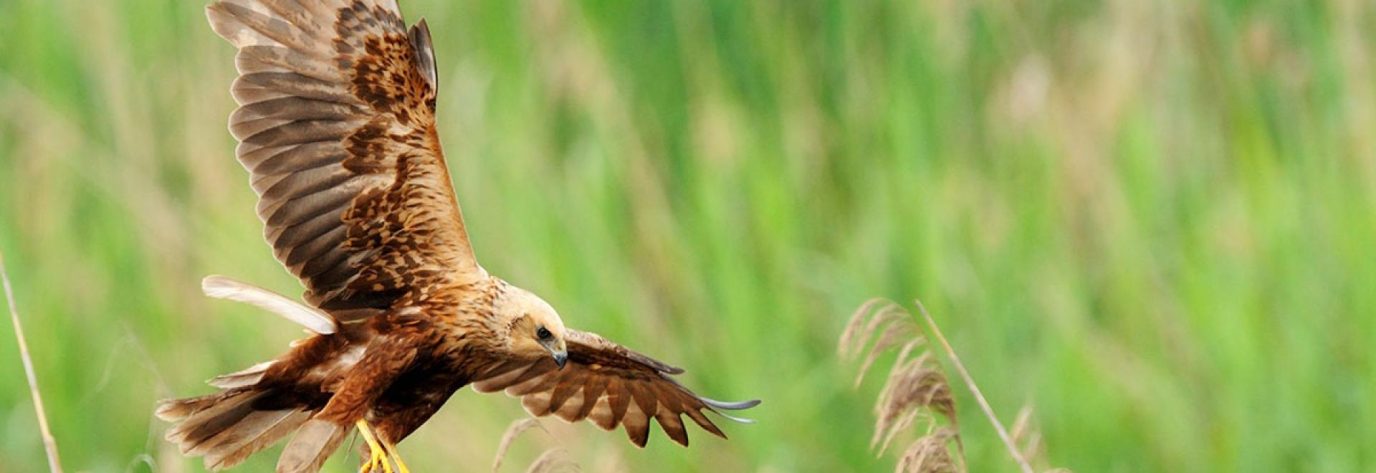
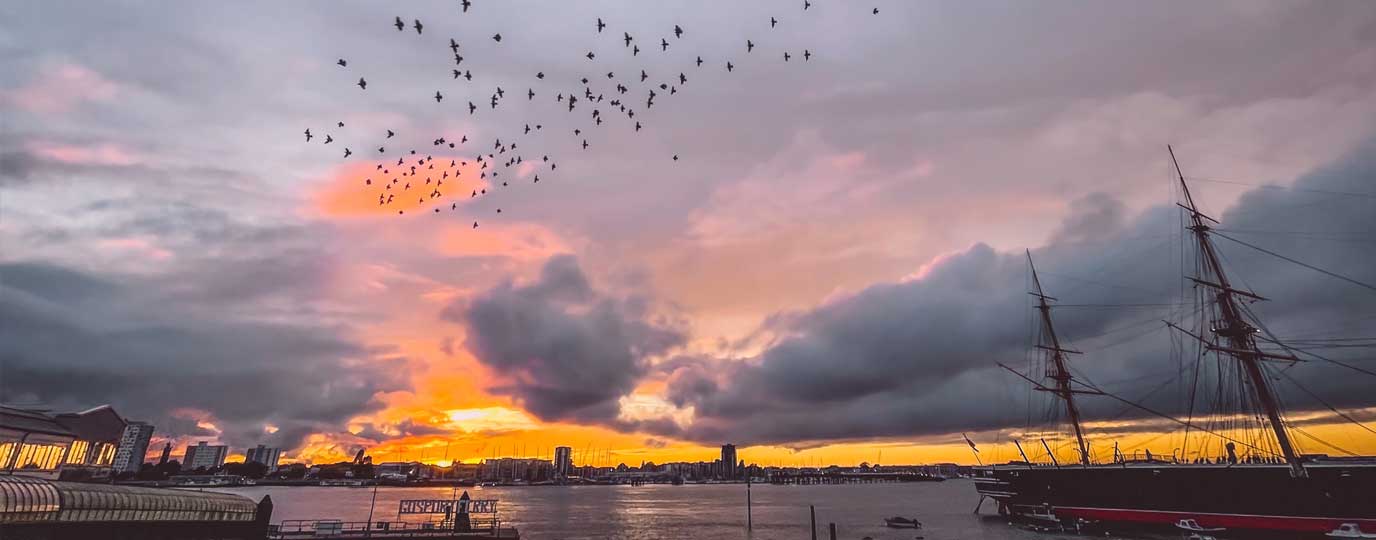
Newport Wetlands offers an incredible mosaic of habitats stretching over a vast expanse – its 438 hectares span reedbeds, lagoons, mudflats and grasslands, all overlooking the Severn Estuary. Head here to witness Wigeon and Teal ducks seeking winter sustenance, Bitterns and Bearded Tits hiding in the reeds, and birds of prey including Peregrines, Merlins and Marsh Harriers, whose presence is often signalled by the sight of huge flocks of startled Lapwing shooting up into the air. Newport Wetlands at dusk is also an excellent location to seek out one of winter’s finest spectacles, the Starling murmuration.
RSPB Wetlands in England
Minsmere Nature Reserve, Suffolk – The RSPB
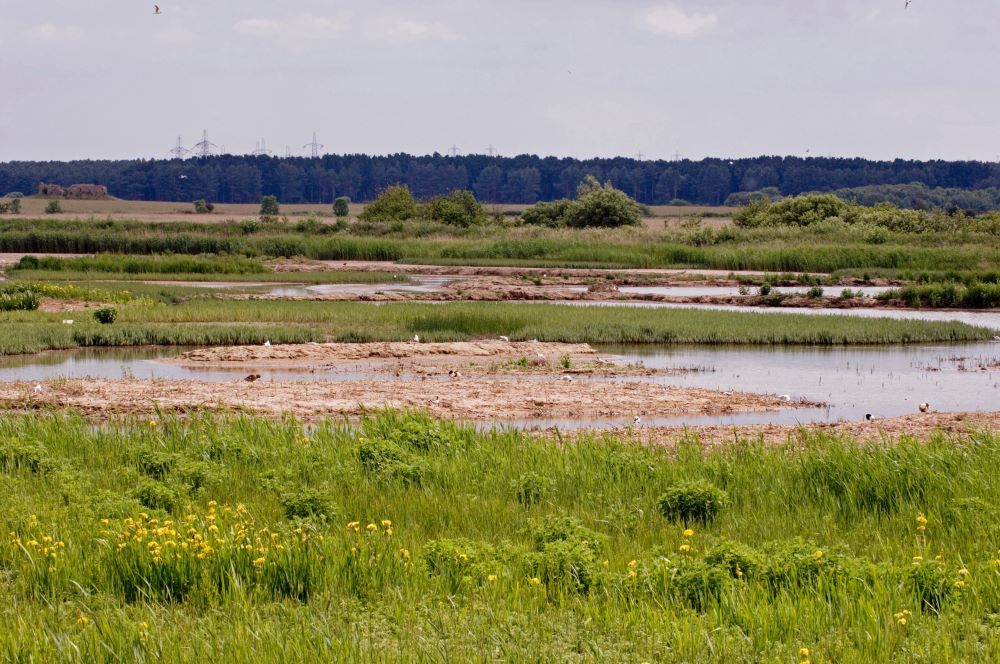
Our Suffolk coastal site Minsmere is part of the UK’s East Coast Wetlands, a network of habitats stretching from the Humber to the Thames. This area occupies a vital spot on a major international migratory route called the East Atlantic flyway (think of it like a motorway for birds), which is used by millions of birds who travel along it from the Arctic all the way down to South Africa.
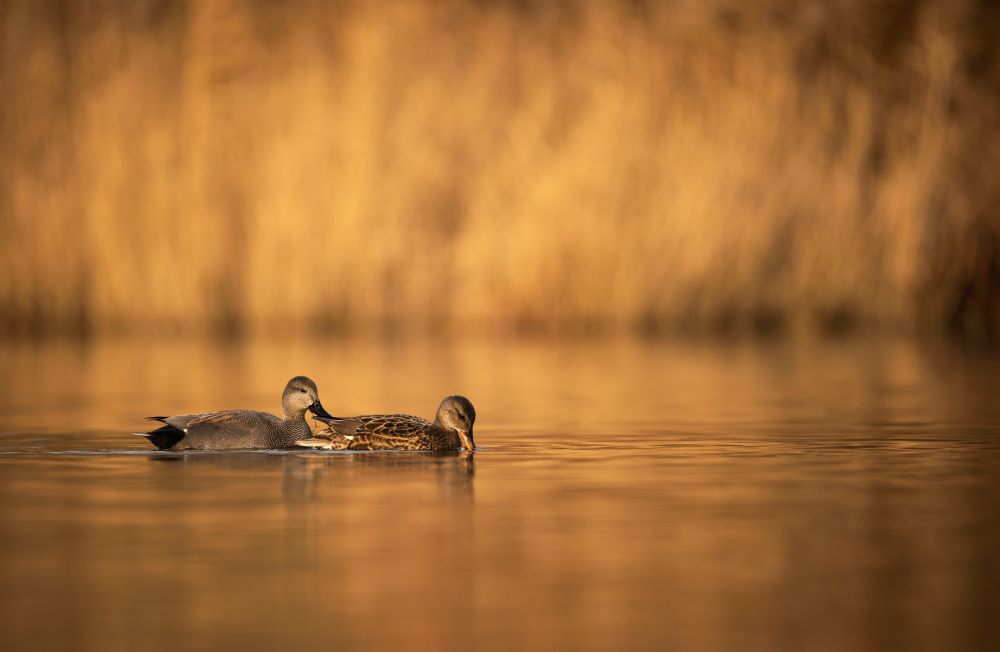
This stunning reserve’s ‘scrape’ (a depression in the land to contain water) is a great place to head to spot large numbers of duck species including Wigeon, Teal and Gadwall.
Ham Wall Nature Reserve, Somerset
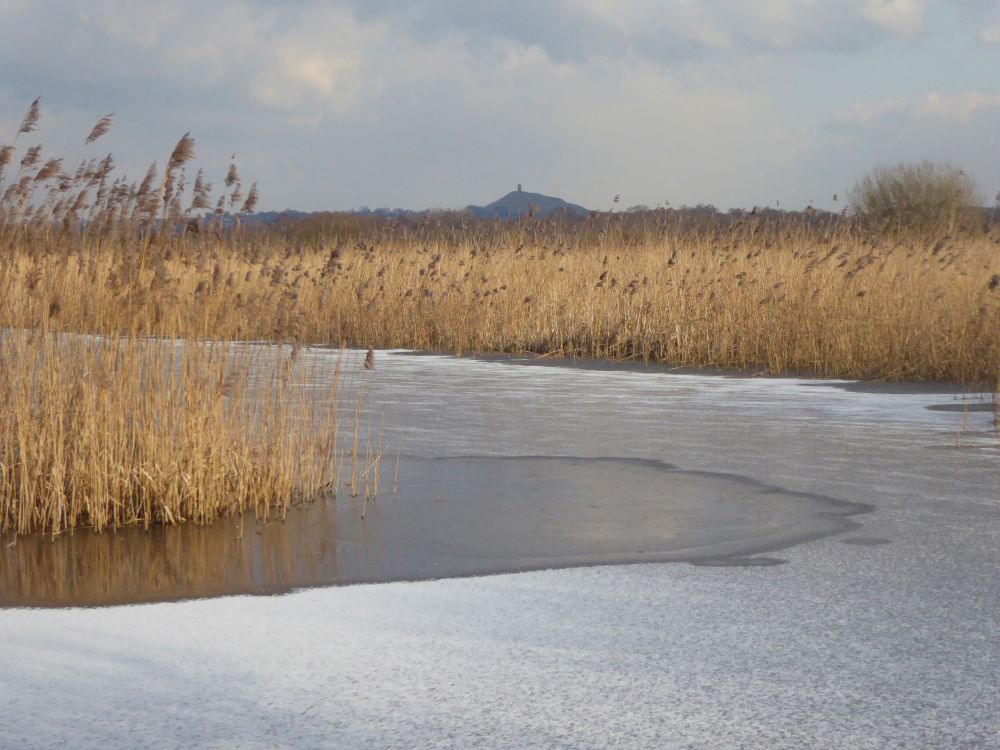
The reedbeds, marshes and grasslands of this Somerset reserve are brimming with life during these colder months. Whilst the snow-white plumage of Great White Egrets is eye-catching against the muted winter landscape stretching out towards Glastonbury Tor, you’ll need a sharper eye to spot the brown colouring of the Marsh Harriers that also overwinter here.
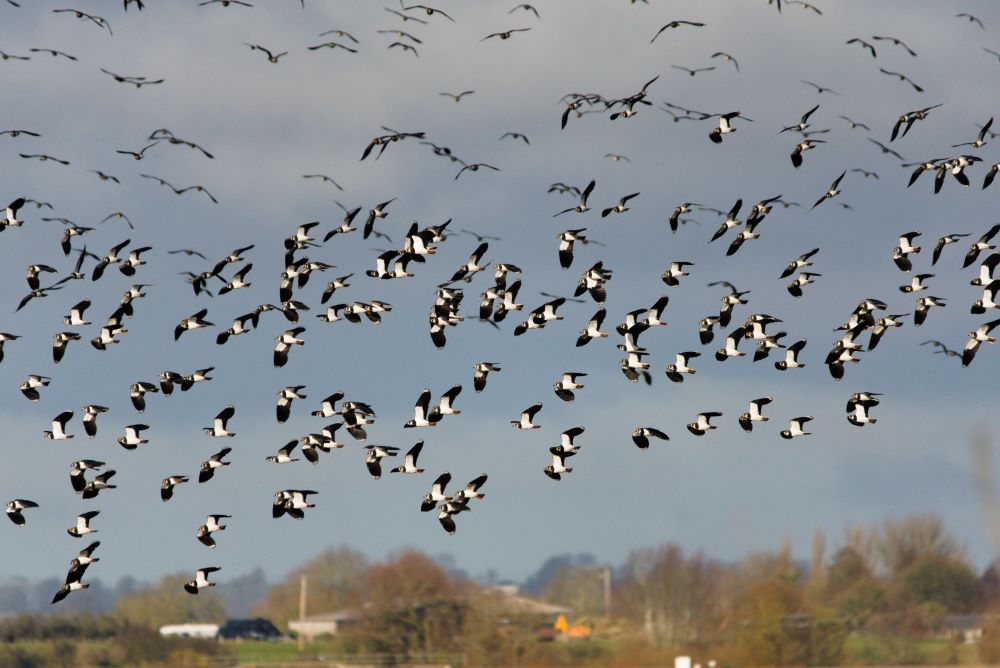
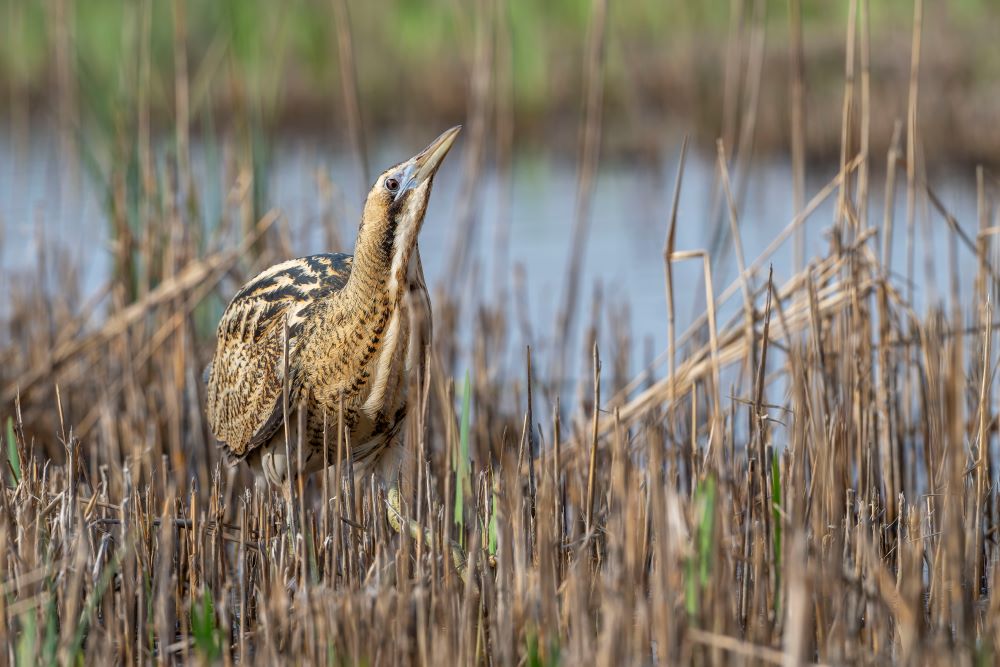
There’s an abundance of duck species to enjoy here too – including Shoveler (look out for the spatula-shaped bill), Gadwall, Wigeon and Teal – alongside flocks of waders including Lapwings and Black-tailed Godwit. If you’d like a real challenge, keep your eyes trained on the reedbeds for a glimpse of a Bittern, a rare type of heron famed for its elusiveness….
Spring may be the point where we celebrate nature’s reawakening, but don’t be fooled by winter’s short days and dipping temperatures – our wildlife is absolutely flourishing. So why not take some inspiration from this year’s World Wetlands Day, and head to your nearest wetland site to experience the abundance of activity, and discover how you too can help us to protect them.