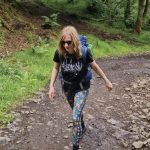
Can Walking Help Ease Menopause Symptoms?
From November onwards, so many of us instinctively retreat indoors. The darkness arrives earlier, the temperature dips, and suddenly the idea of hiding under a blanket in front of the TV becomes a lot more appealing than heading outside in the cold, wet or rain.
For women going through perimenopause or menopause, this change isn’t imagined or a sign of laziness though it is physiological. Levels of melatonin, our sleep-regulating hormone, rise as daylight decreases, which is why we can feel a drag of tiredness from mid-afternoon onwards more so in the winter. Running parallel to that is the reduced exposure to natural daylight meaning the brain has less opportunity to produce serotonin, affecting mood, motivation and our emotional stability.
With all that in mind, the whole of winter can feel heavier, slower, and at times overwhelming. Yet this is precisely the moment when walking isn’t just helpful it can become a form of gentle emotional and physical support that meets you exactly where you are. Winter walking doesn’t promise transformation, quick fixes or “new you” slogans like you’ll see from January 1st with offers of New Year health resolutions, it will however give you a sustainable steadiness.
Walking is one of the most accessible ways to care for our bodies and minds through menopause. It supports hormone balance, improves sleep rhythms, calms the nervous system, and reduces stress. It allows our physiology to do what it is designed to do when we provide the right environment for it to do so. This is often fresh air, daylight, and steady movement.
My Menopause Story and Why Nature Became My Medicine
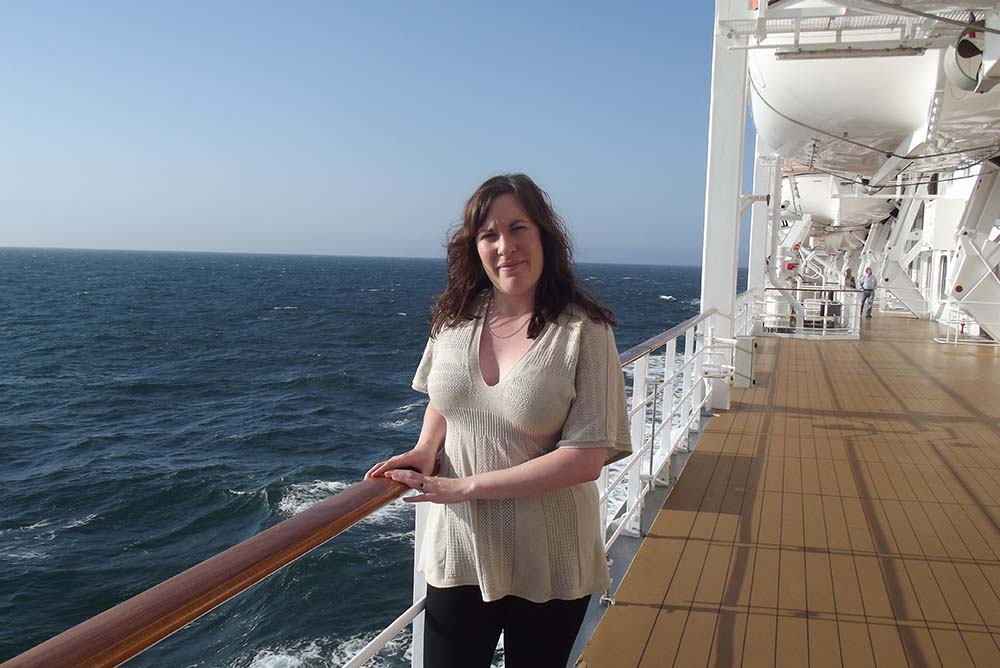
The common assumption is that menopause affects women in their late forties or early fifties. Mine arrived in my twenties very suddenly, medically, and without psychological support. I didn’t even have the language for what was happening at the time. My body felt unpredictable; symptoms arrived before I knew what they meant. I felt at times like a stranger to myself. Weight gain, fatigue, unable to control my emotions, anxiety, changes in my skin, hot flushes, brain fog and many more symptoms.
Walking outdoors became a lifeline. I wasn’t thinking about fitness or performance at the time. I was simply trying to feel “normal” even for a short time each day. It started with dog walks with my Jack Russell, Link and grew into something much bigger! I didn’t know the science behind why my anxiety eased after half an hour outside, or why my sleep improved, or why being around nature helped me feel more emotionally regulated. I only knew that it helped and at the time that was good enough!
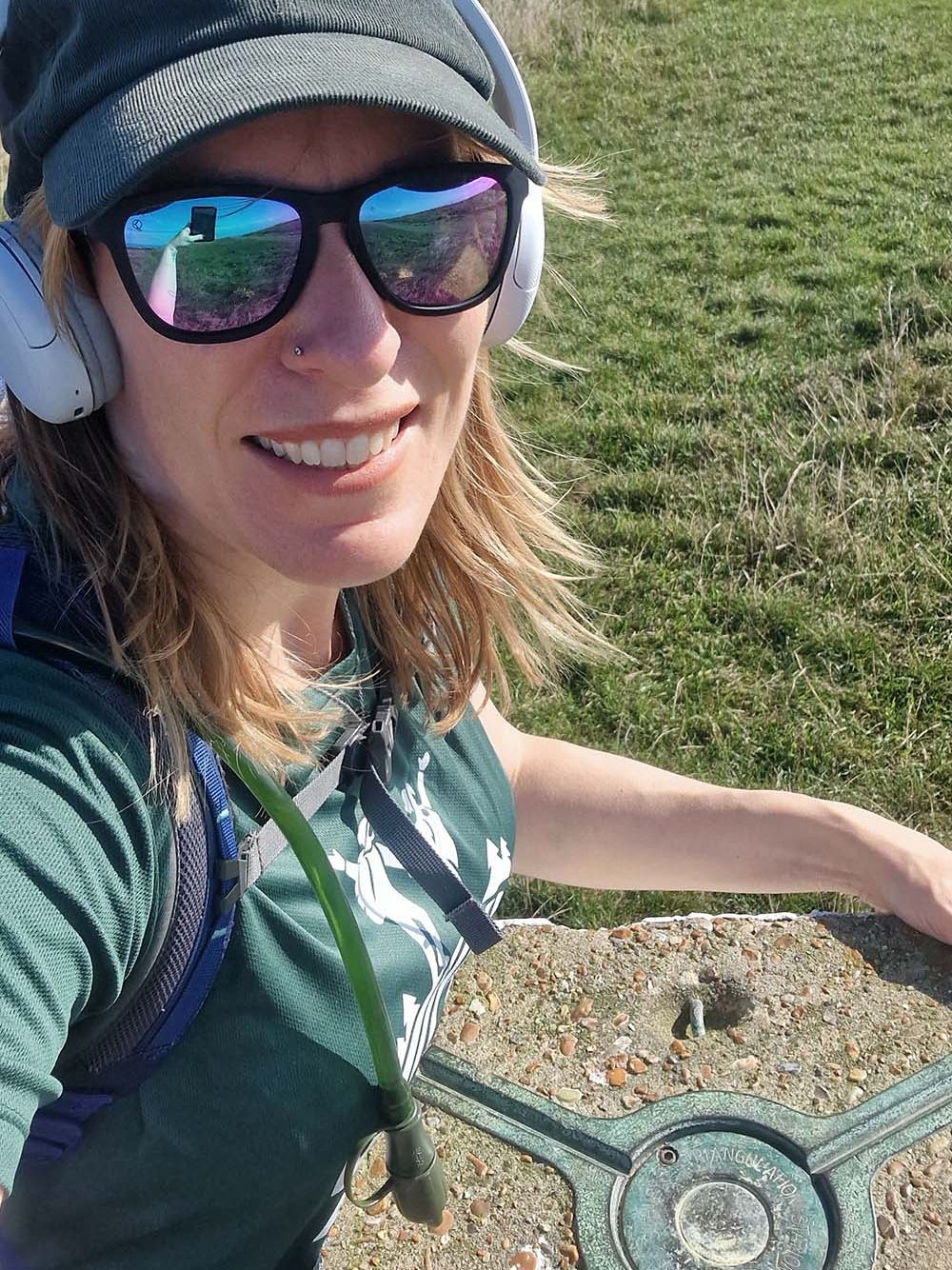
Years later, the science is now there to explain what I felt intuitively: steady walking outdoors supports the very systems that menopause disrupts. And in winter, those benefits can become even more noticeable.

What Happens to Our Hormones in Winter?
Winter affects all of us physically and emotionally. The increase in melatonin from reduced daylight creates sleepiness, even when we should be mentally alert. The drop in light means the brain produces less serotonin, which influences mood, motivation, appetite and resilience. Combine that with the unpredictable hormonal fluctuations of menopause, and winter can feel much more overwhelming than summer.
A short walk outdoors acts as a counterbalance. Even on a cloudy day, the natural light outdoors provides far more illumination than indoor unnatural lighting, which sends signals to the brain to adjust serotonin and melatonin levels. It’s subtle, but the difference in how we feel after spending time outside is undeniable. Many women tell me they feel calmer, more themselves, and able to handle the rest of the day more easily and head on.
There’s also something quietly significant happening in our metabolism during cold weather. Cold exposure activates brown fat, this is the tissue that produces heat. When brown fat activates, it supports metabolic health and insulin sensitivity, which is particularly relevant during menopause. Most women will notice a change in weight or body shape during menopause. Winter walking supports metabolic health in a way that isn’t based on dieting or restriction.
Couple that with the natural change in cortisol, our stress hormone, when we walk outdoors, and you begin to see why walking can really help during menopause.
How Walking Supports Your Body
Many women notice in menopause that their bodies feel different, some in a dramatic ways, others more subtle. Joints can feel stiffer, sleep is impacted, mental health can change.
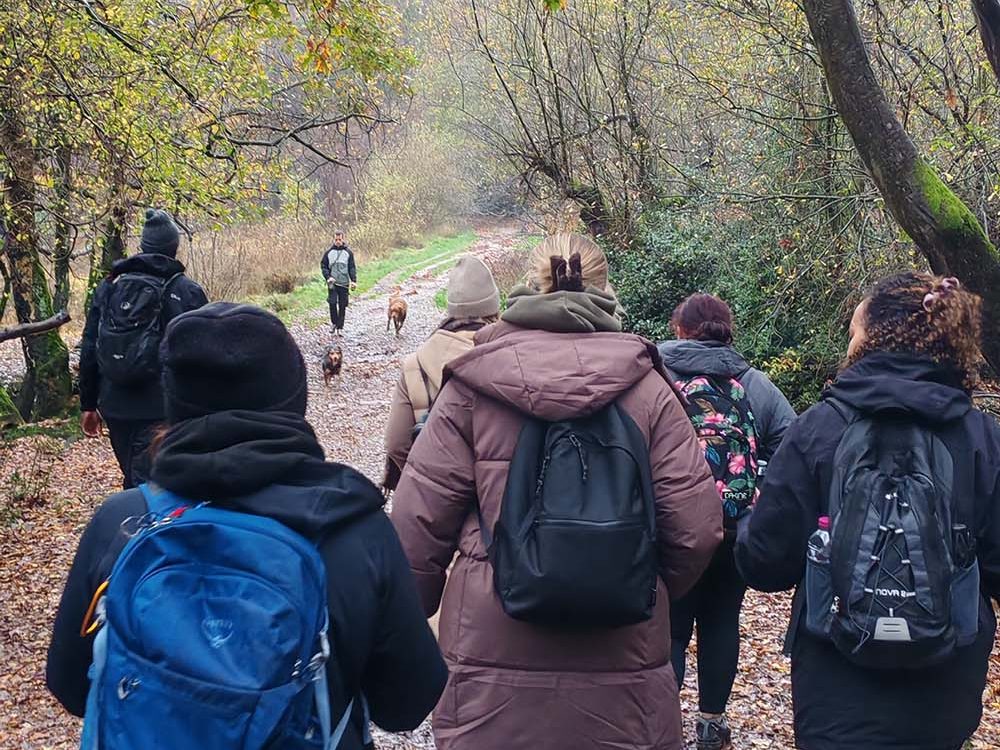
Walking supports the systems that menopause influences most like sleep, stress regulation, cardiovascular health and mood. It helps reduce inflammation and it supports the lymphatic system. It can also help with feelings of tension and emotional overload. But perhaps one of the most valuable effects is companionship. Walking naturally promotes oxytocin, which is a hormone linked with human connection or bonding. This makes walking with others feel uplifting.
How Woodland Supports Hormones During Menopause
Although we may not consciously notice it there is something about being in woodlands that speaks directly to our hormonal system. Trees release compounds called phytoncides, and when we breathe them in, our nervous system responds by easing tension and reducing cortisol, personally I think this is amazing! The trees are helping us heal.
The quiet surroundings encourage our parasympathetic nervous system to take over, which is particularly valuable during menopause when the body is more sensitive to stress.
Navigating Winter Outdoors
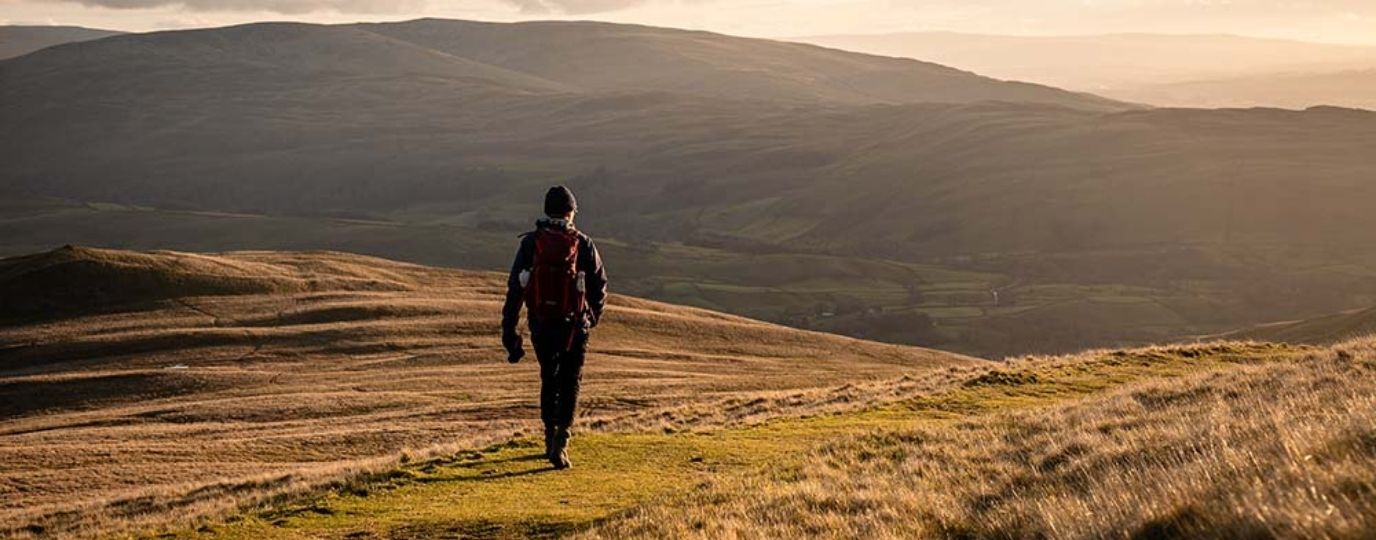
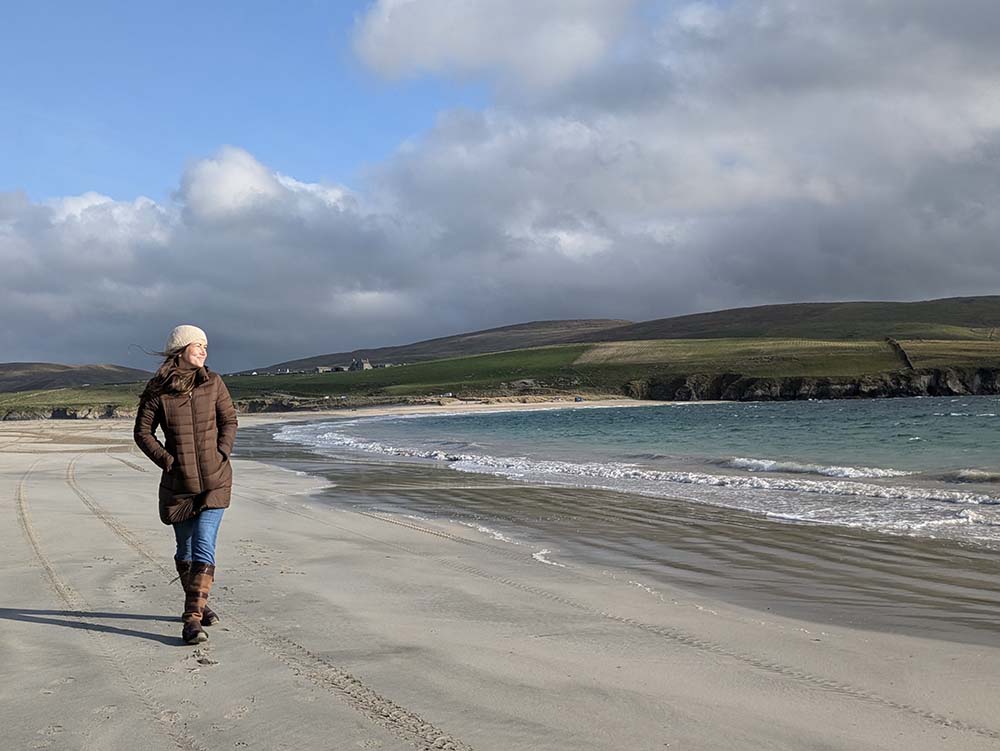
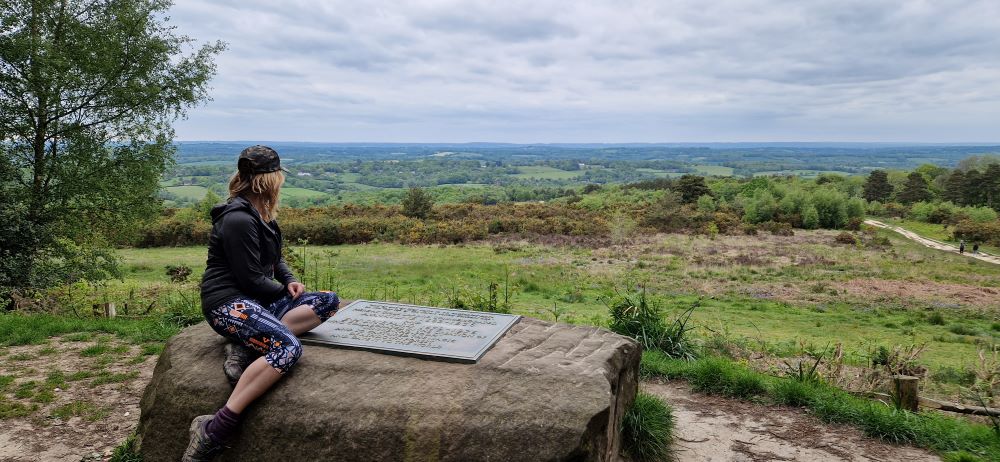
There is no rulebook here and I think there is a huge mental barrier to people getting outside during winter. You don’t need specialist gear or an identity as an “outdoors person” to enjoy a walk in the woods or along a coastal path.
A warm layer, waterproof, comfortable footwear, water and snack is all you need. You don’t need to be fast, or walk far, or have a smartwatch to measure anything.
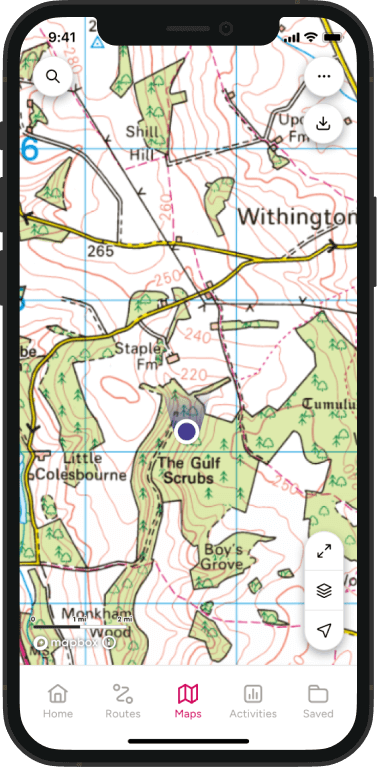
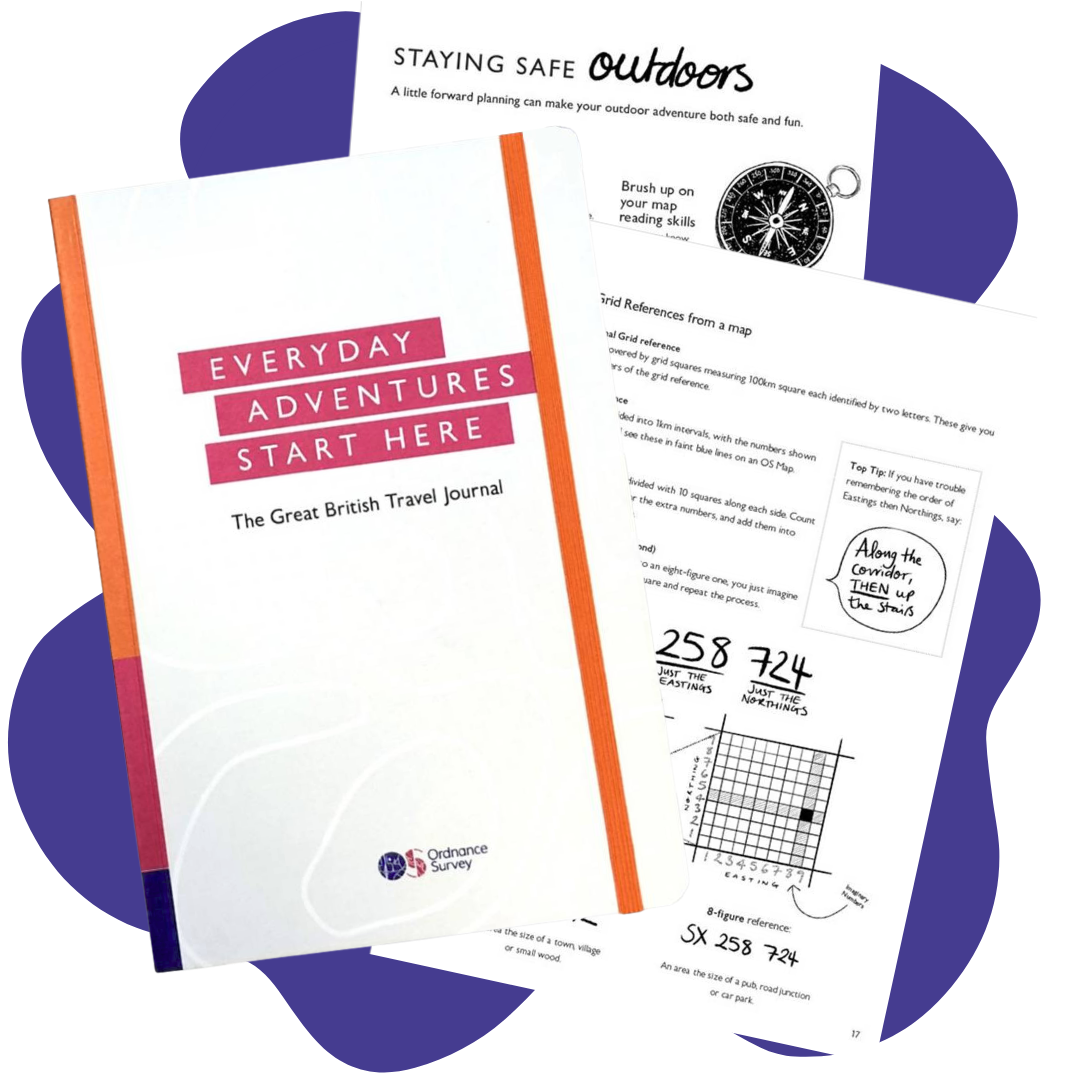
Short walks repeated regularly provide more benefit than an occasional long one that leaves you exhausted. Familiar local paths are enough or you can use the ordnance survey app to see routes other walkers have done in your area. If you are heading out alone just make sure someone knows where you are and that your phone is fully charged.
If you like the idea of easing yourself into winter walking, here’s a smallchallenge that many women in my community have found reassuring rather than overwhelming. Choose a short route close to home, be that a woodland loop, residential or local park and then commit to repeating that walk at least twice a week. As the weeks continue add an extra half mile on or spend more time focussing on the local nature as you are familiar with the route. Try and be as present as possible and see how you feel before and after each walk.
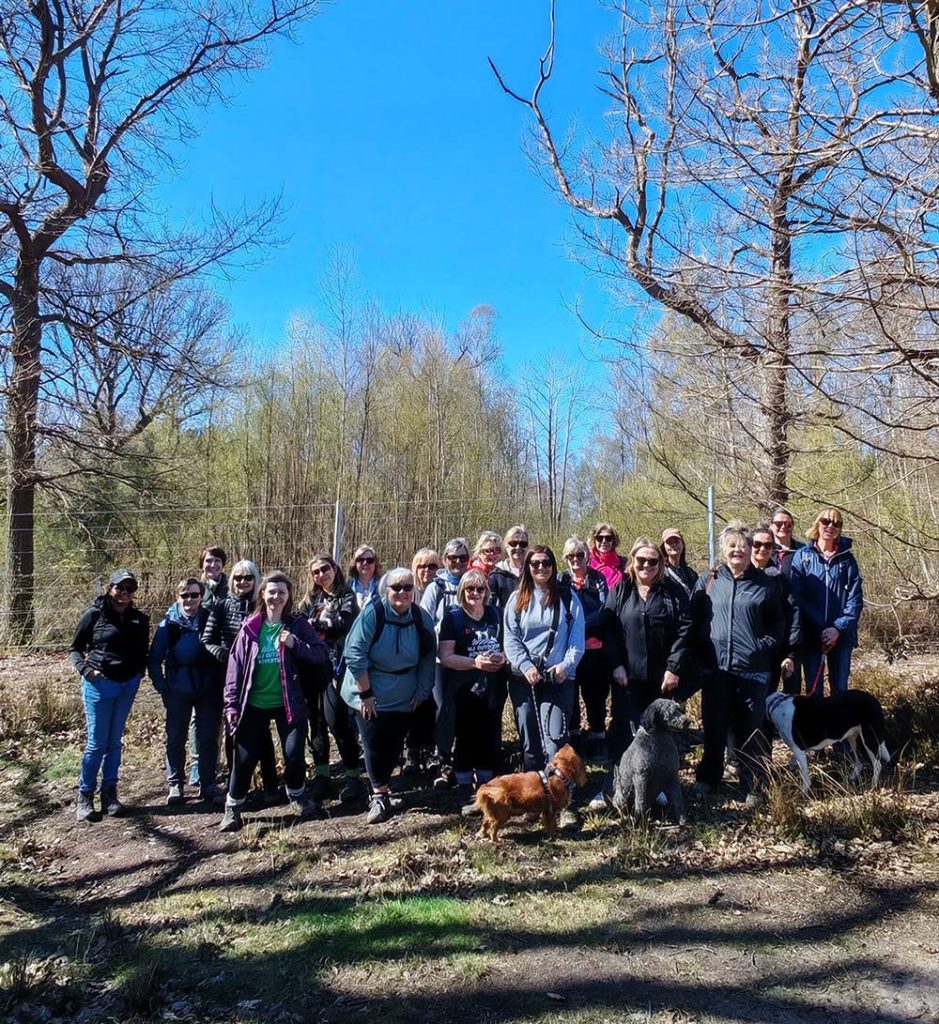
Community and walking
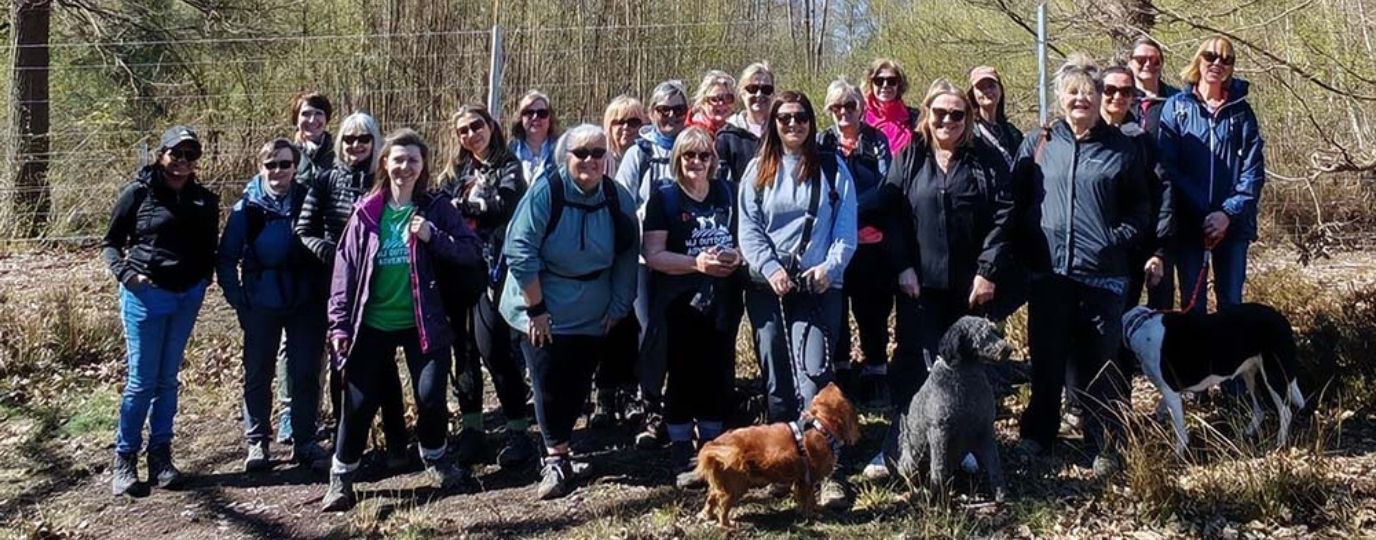
Motivation can be difficult during menopause, be that through fatigue or anxiety. Some days it disappears entirely. Walking with company can shift your mood more than high-intensity exercise or gym training, not because it works “better,” but because it engages the part of the nervous system designed for connection. There are so many wonderful walking groups across the UK for every level of walker. These can be mixed groups, LGBTQIA, Women only, specific religious groups, regional, speed based, mental health focused and more. There is a group out there for everyone. Ordnance Survey has ambassadors across the UK that can help with recommending these.
Winter Isn’t a Barrier
We often think of Winter as a dead season but just look to nature, its is a regenerative one and this can be a brilliant way to look at your relationship with getting outdoors in the colder months.
Walking outdoors won’t magically take away all your menopause symptoms, but it can drastically help, and I’d highly recommend taking the first few steps outside to see!
Follow Jenn’s adventures on Instagram @mj.outdoor.adventures or on Facebook: MJ Outdoor Adventures
By Jenn Phillips
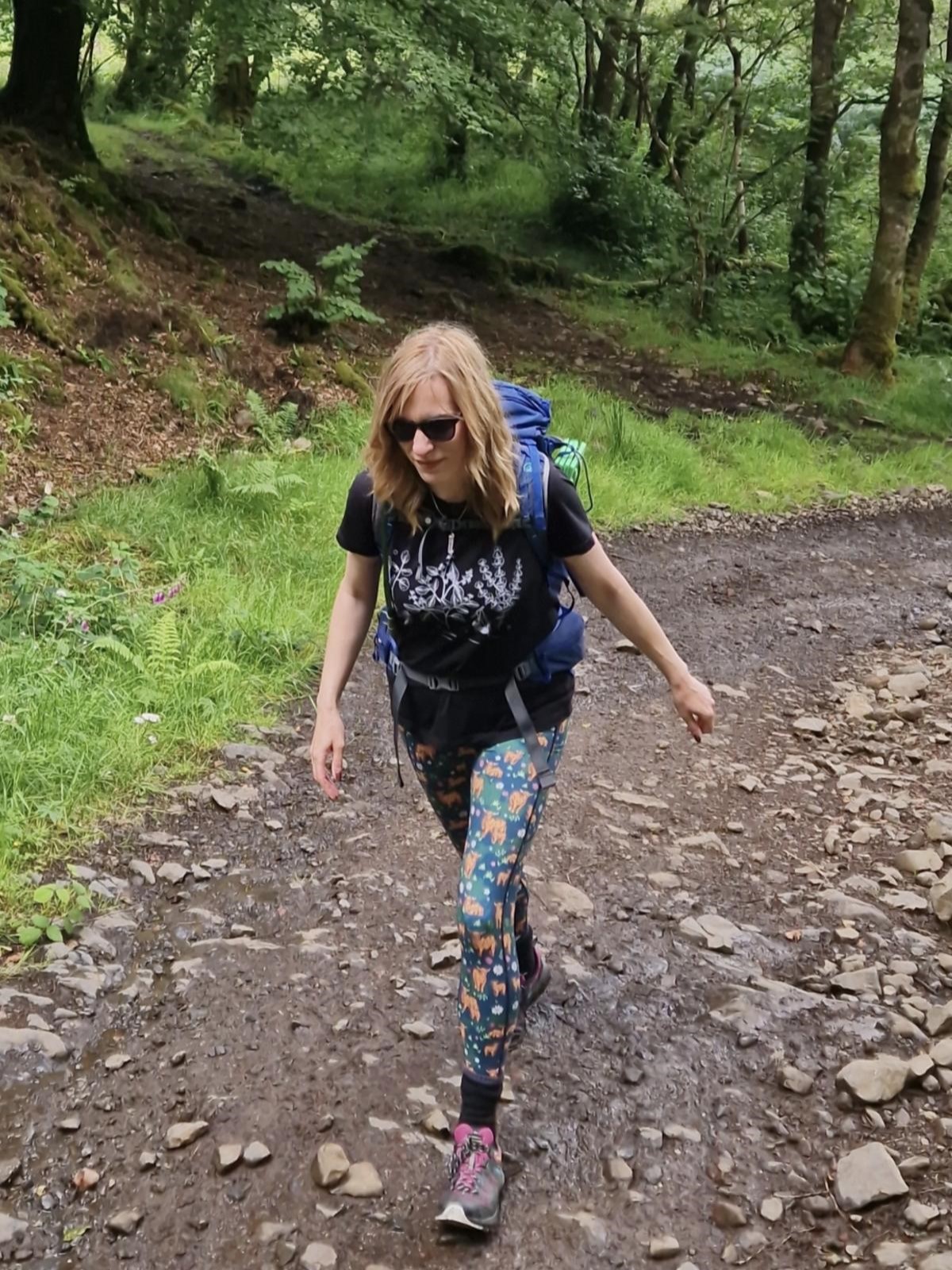
Jenn is a full-time walk leader and the founder of MJ Outdoor Adventures, based in Kent and working across the UK. Her work focuses on women’s wellbeing through walking, community and nature, with particular emphasis on menopause-informed support. She brings lived experience of early menopause and long-term hormonal health to her work in the outdoors and has led hundreds of women on group walks. Find out more at www.mjoutdooradventures.co.uk