How to Choose the Best Location for Your Walking Holiday in Scotland
Scotland has an almost magnetic pull for walkers. Few places offer such a striking sense of space and contrast: quiet lowland farmland and coastal paths sit just hours from vast Highland glens; Roman roads and medieval abbeys lie under the same skies as some of Britain’s wildest mountains. For those who explore on foot, Scotland reveals itself slowly and generously, with each day adding another layer of landscape, history and atmosphere.

From gentle, characterful routes to more dramatic long-distance trails, Scotland lends itself particularly well to self-guided walking holidays. Distances can be tailored, support arranged, and the experience shaped around how, and how far, you want to walk. Broadly speaking, Scotland’s walking routes fall naturally into three regions: the Highlands, the Lowlands, and the often-overlooked middle ground of the Central Belt.
The Highlands: Big landscapes and iconic trails
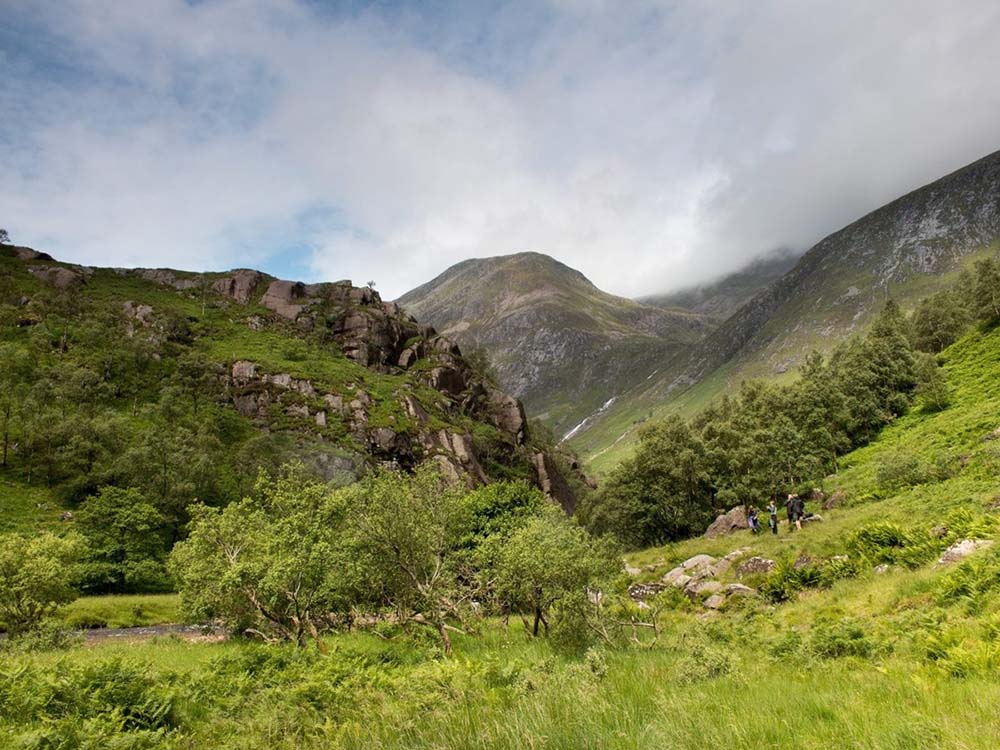
For many, walking in Scotland begins with the Highlands. This is a land of scale and drama, where mountains rise steeply from lochs, and long, open glens draw walkers deep into the landscape.
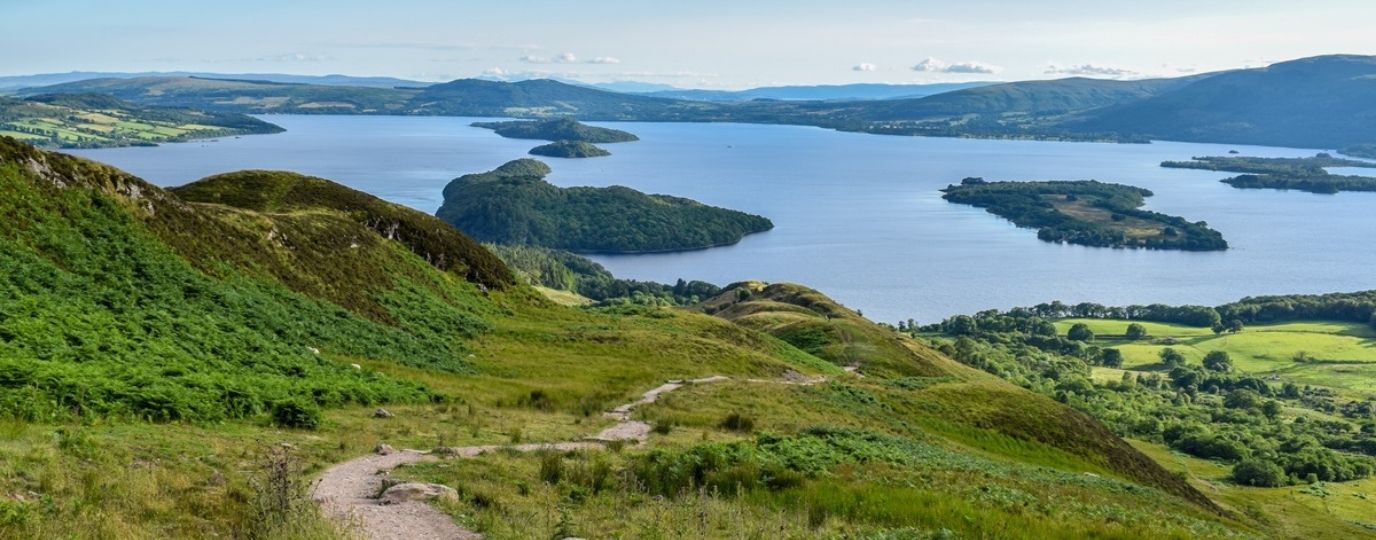
Some of Scotland’s most famous long-distance paths are found here. Trails such as the West Highland Way and the Great Glen Way showcase the Highlands at their most memorable, from the wooded shores of Loch Lomond and the emptiness of Rannoch Moor to the loch-lined fault of the Great Glen, running coast to coast across the land.
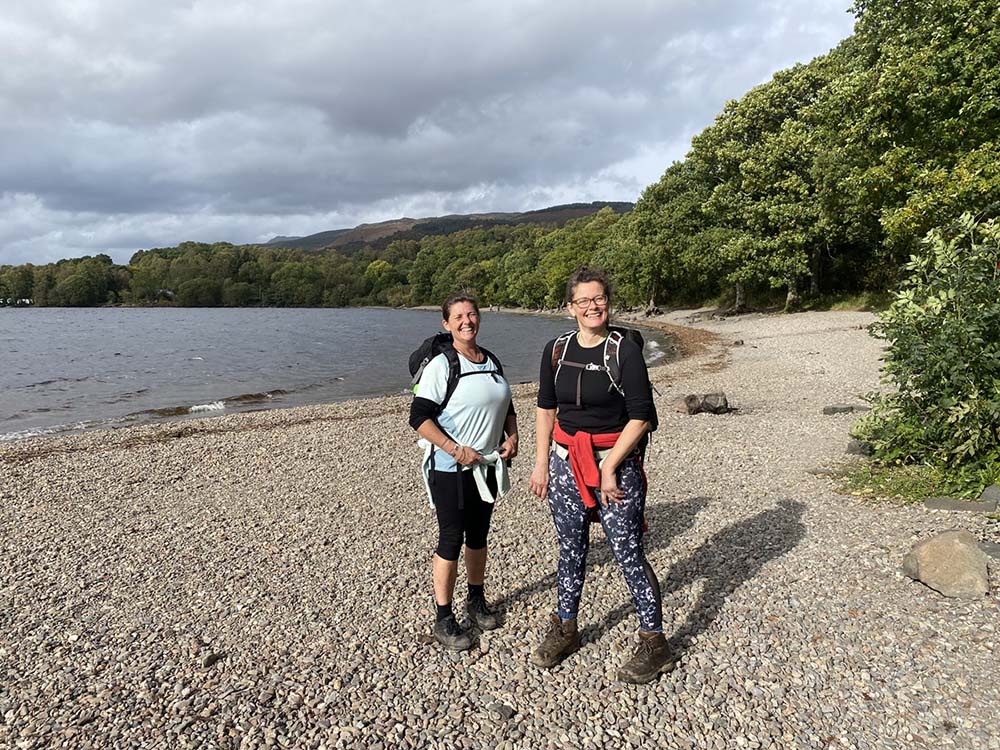
What often surprises first-time walkers is how varied Highland walking can be. Alongside more challenging terrain are long stretches of low-level paths, canal towpaths and forest tracks. This contrast is part of the appeal, and it’s what makes routes like the Great Glen Way an approachable introduction to longer-distance walking. Elsewhere, trails such as the Rob Roy Way and the Speyside Way blend Highland scenery with history and culture, passing through ancient woodland, along famous rivers, and through villages shaped by whisky-making traditions.
Walking in the Highlands is as much about immersion as achievement. Wildlife sightings, sudden changes in weather, and the sense of moving through a truly atmospheric landscape are all part of the experience.
The Lowlands: History, gentler terrain and quiet beauty
South of the Highland Boundary Fault, the landscape softens, but it loses none of its interest. The Lowlands offer walking that is often gentler underfoot, rich in heritage, and threaded with rivers, farmland and historic towns such as Melrose and Jedburgh.
This is a region where routes pass abbey ruins, follow ancient drove roads and skirt market towns shaped by centuries of trade. Walking here often feels more intimate, with frequent encounters with villages, cafés and welcoming places to pause.
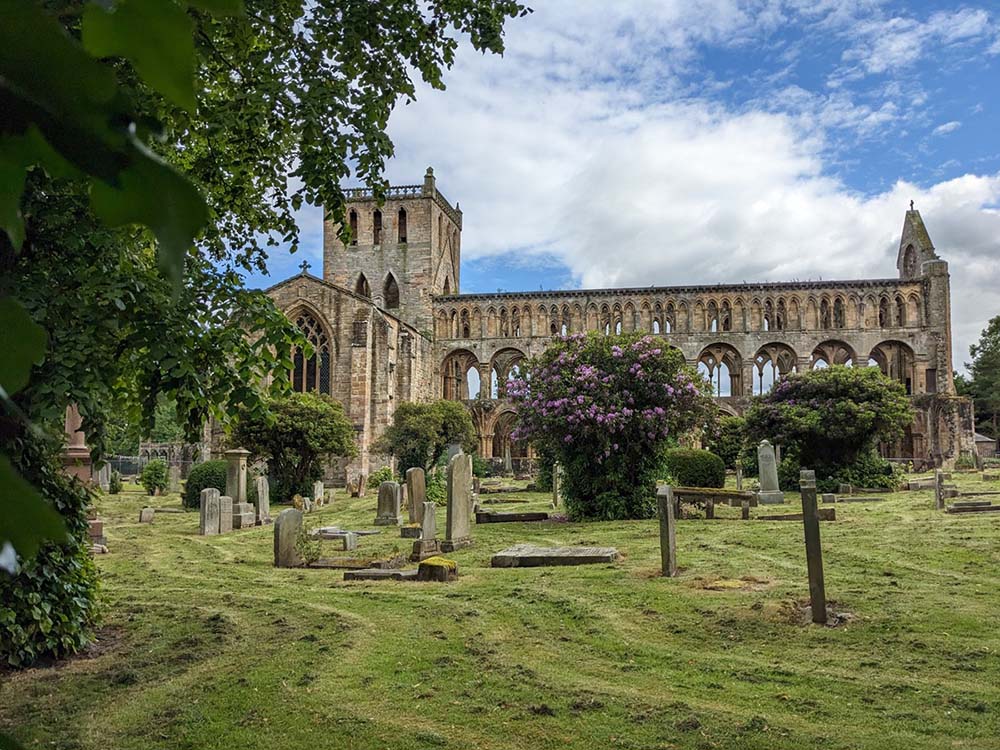
Lowland routes are particularly appealing for those seeking cultural interest alongside peaceful countryside. Trails such as the Borders Abbeys Way are a good example, weaving together riverside walking, rolling farmland and the evocative ruins of medieval abbeys that give the region its distinctive character. The sense of continuity with Roman roads becoming medieval tracks, then modern paths, brings history vividly into the present, reminding walkers that Scotland’s story has long been written into its landscapes.
The Central Belt: A meeting point of past and present
Between the Highlands and Lowlands lies Scotland’s Central Belt, a region sometimes overlooked by walkers, but it shouldn’t be as it’s really quite full of pleasant surprises. Here, industrial heritage, canals, coastline and green corridors combine to create varied and rewarding walking.
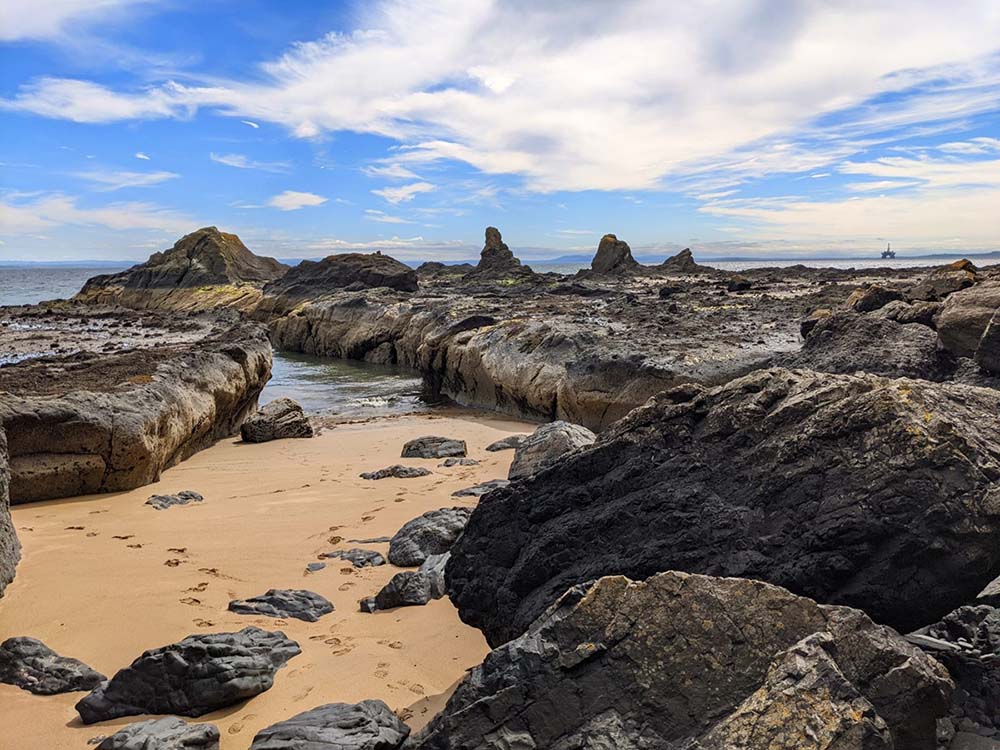
Routes such as the John Muir Way cross the country from coast to coast, linking the Firth of Clyde with the shores of the North Sea. Along the way, walkers pass beneath volcanic hills, follow sections of the Antonine Wall, explore canal towpaths, and even spend time in Scotland’s capital before reaching long sandy beaches and open clifftop paths.

This middle land shows how walking routes can connect nature and people, past and present. It’s a place where urban and rural Scotland meet, offering a different but equally compelling perspective on the country.
Scotland’s coastline adds yet another dimension. Trails such as the Fife Coastal Path reveal a constantly shifting backdrop of cliffs, beaches, fishing villages and wide estuaries. Walking by the sea brings its own charm, shaped by tides, seabirds and expansive views across open water.
These routes often combine straightforward walking with rich rewards: historic harbours, geological features exposed by erosion, and the chance to watch everyday life continue in working coastal communities.
Walking Scotland your way
What unites Scotland’s walking routes, across all regions, is variety. Whether you’re drawn to the wild openness of the Highlands, the fascinating history of the Lowlands, or the unexpected contrasts of the Central Belt, there is no single way to experience Scotland on foot.

Self-guided walking holidays allow walkers to choose routes that suit their interests and confidence, shaping journeys around preferred distances and landscapes. With thoughtful planning and the right support in place, the focus can remain on the joy of walking itself, and discovering places gradually, one step at a time.
If you’d like to explore self-guided walking holidays in Scotland and discover routes across the Highlands, Lowlands and Central Belt, you can find detailed itineraries and inspiration on Mickledore’s website.

By Mark Wright
Meet Mark Wright – Product Development Manager at Mickledore
Mark moved to the Lake District from the Scottish Borders in 2010. He began contributing to Mickledore’s social media in 2014, before joining the company full-time in 2019. Since then, he has been creating new routes, developing existing ones, and marketing them to the world.
Visit Mickledore for detailed itineraries and inspiration for your next walking holiday