New Laws on Dogs and Livestock Worrying: What Dog Walkers Need to Know
Does your dog like to chase? Are you 100% confident in your dogs recall? The laws have changed to help protect livestock after a rise in livestock worrying and especially sheep attacks.
In this post we discuss:
What livestock worrying fines can be issued for
The detail of the updated dogs and livestock law
How to follow the Countryside Code
FAQ’s on the new Dogs (Protection of Livestock) (Amendment) Act 2025
How OS Maps can help with planning dog walks
Sheep Worrying Costs Farmers Millions
A survey of farmers from the National Sheep Association found that almost four in five (87%) sheep farmers have experienced a dog attack on their flock in the past year, with many reporting multiple incidents.
NFU research published this year also found that the total cost of livestock worrying across the UK in the past year had reached £1.8 million.
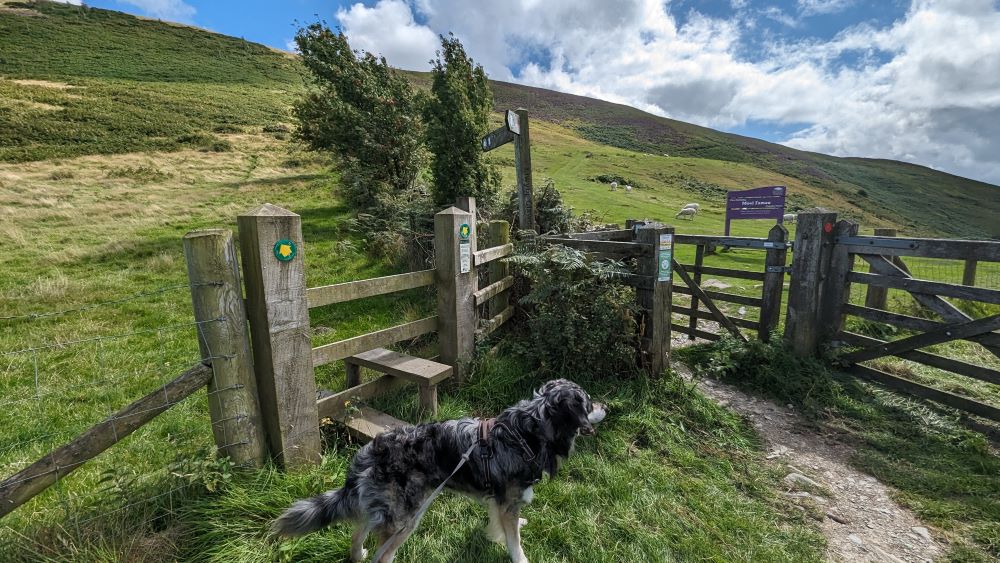
Walking your dog in the countryside is one of the best ways to enjoy the outdoors but it also comes with responsibilities. As partners of the Countryside Code Team, we want to help dog owners stay informed about the updated livestock worrying laws coming into force in England and Wales on March 18th.
These changes strengthen protection for farmers and livestock and clarify what dog owners must do to avoid serious legal consequences.
A Fine Can Be Issued for Chasing Sheep, Regardless of Any Physical Contact
Many dog owners don’t realise that physical contact isn’t required for livestock to be harmed. Even chasing or barking can trigger panic, stress, and injury among sheep, cattle, goats, pigs and camelids like alpacas and llamas.
Stress alone can cause animals to:
- become injured
- miscarry
- get trapped
- become separated from their herd
These outcomes are distressing for farmers and dog owners alike.
What the Updated Dog Law Says
Unlimited fines for livestock worrying offences
A new amendment removes the previous £1,000 cap and allows unlimited fines, strengthening penalties against dog owners whose pets worry or attack livestock.
Expanded police powers
Police now have wider powers to detain dogs, enter premises, collect evidence including DNA, and investigate incidents more effectively.
Law applies on roads, tracks and public rights of way
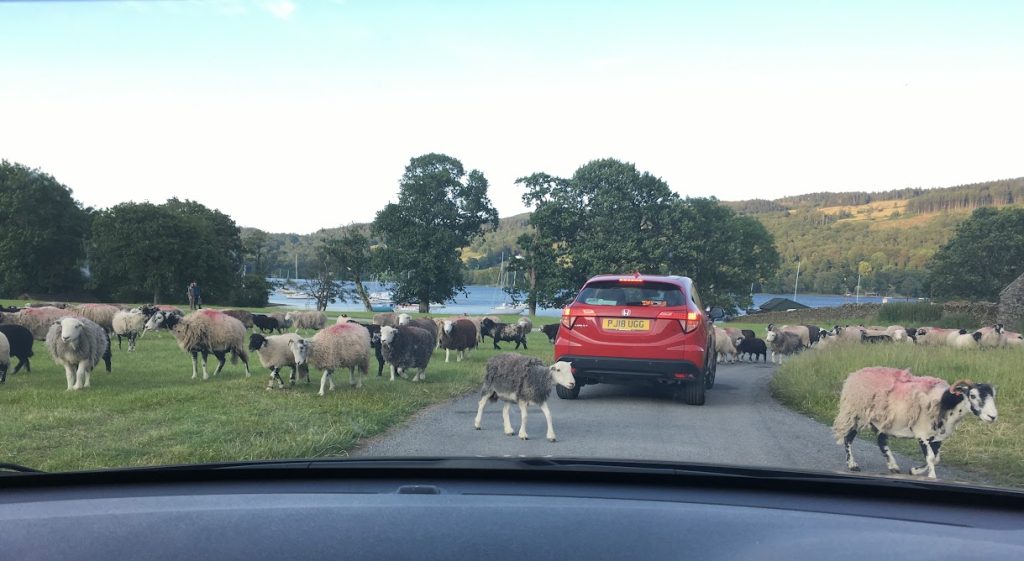
The offence no longer applies only within fields. It now includes roads, paths and public rights of way, reflecting the reality that livestock are often moved between locations.
Definition of livestock now includes camelids
The legal definition expands to include alpacas and llamas, which have increased in number across England and Wales.
How to Follow the Countryside Code and Stay Within the Law
The Countryside Code offers simple, practical steps to keep everyone safe:
1. Keep your dog on a lead around livestock
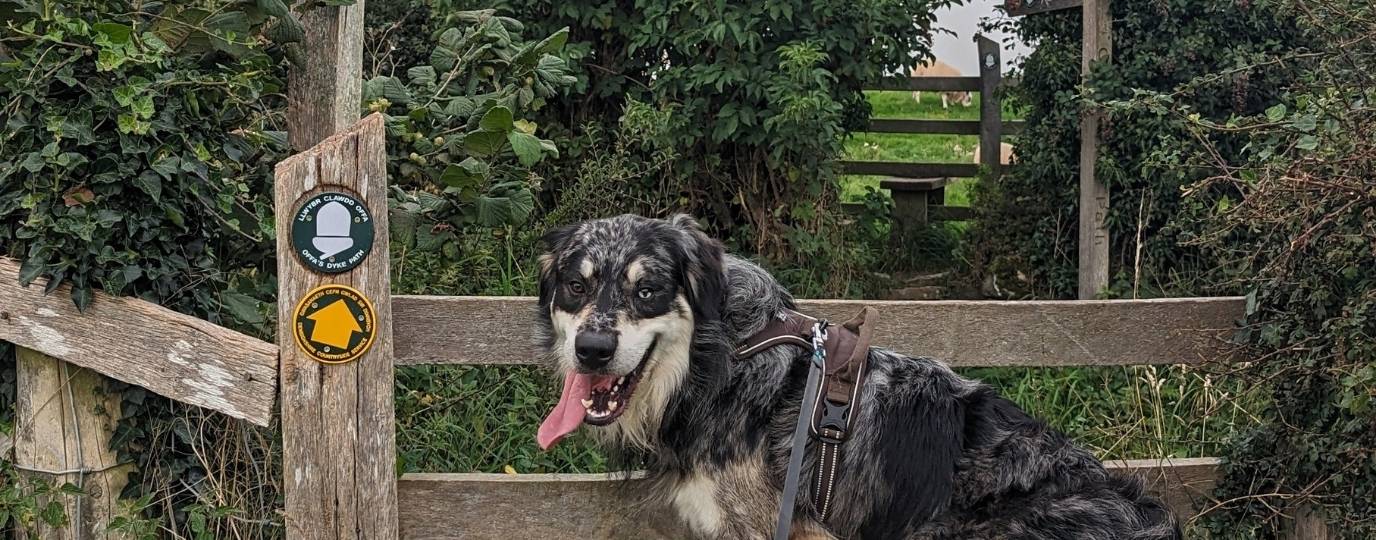
Any dog, whatever its breed or temperament, can worry livestock. Dogs can also jump stiles with ease, so it is important to stay aware of where livestock are and how your dog might reach them.
2. Only let your dog off‑lead if recall is rock solid
If you’re not completely confident, keep them on a lead. Take a spare lead when on longer walks.
3. If cattle or horses threaten you, release the dog
Letting the dog go can help both of you get to safety more easily.
4. Understand farmers’ legal rights
A farmer is legally allowed to shoot a dog that is attacking or actively chasing livestock. This is existing law under the 1953 Act not a new change but it remains important for owners to be aware of.
Frequently Asked Questions about the new dog laws
What counts as livestock worrying?
Chasing, barking at, attacking or stressing livestock even if no bite occurs, counts as livestock worrying.
Do I have to put my dog on a lead near livestock?
Yes. Keeping your dog on a lead around farm animals is the simplest way to prevent harm.
Can I be prosecuted if my dog doesn’t physically touch the livestock?
Yes. Physical contact by the dog isn’t required for an offence to occur.
Does the law apply on public footpaths or roads?
Yes. The new law includes roads, paths and public rights of way as well as fields and enclosures.
Are alpacas and llamas now covered by the law?
Yes. Camelids are now included in the definition of livestock.
What happens if police believe my dog might worry livestock again?
Police have expanded powers to detain dogs and gather evidence and DNA.
Using OS Maps to Plan Dog Friendly Walks
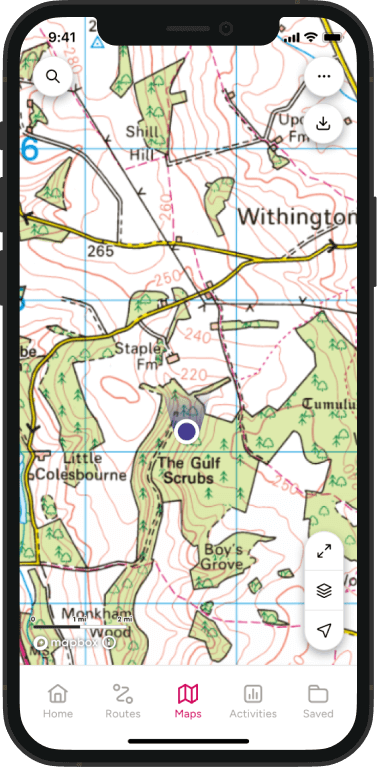
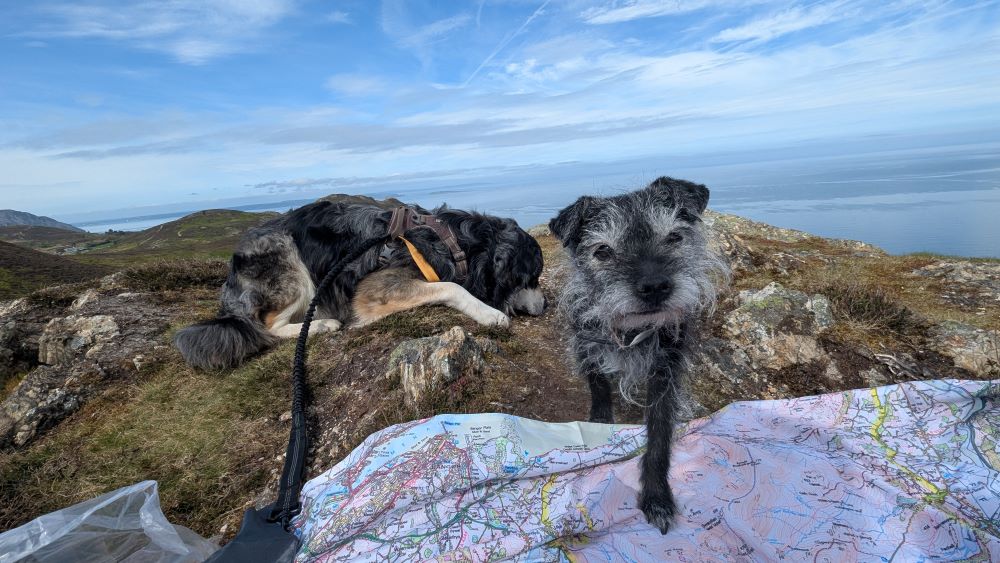
Finding safe places to walk with your dog is easier when you use our Paper Maps or the OS Maps App. Whilst OS Maps can’t tell you if a field has livestock in it on the day you walk it, you can use it to easily see fields and enclosed pasture.
How OS Maps Helps You Plan Better Dog Walks
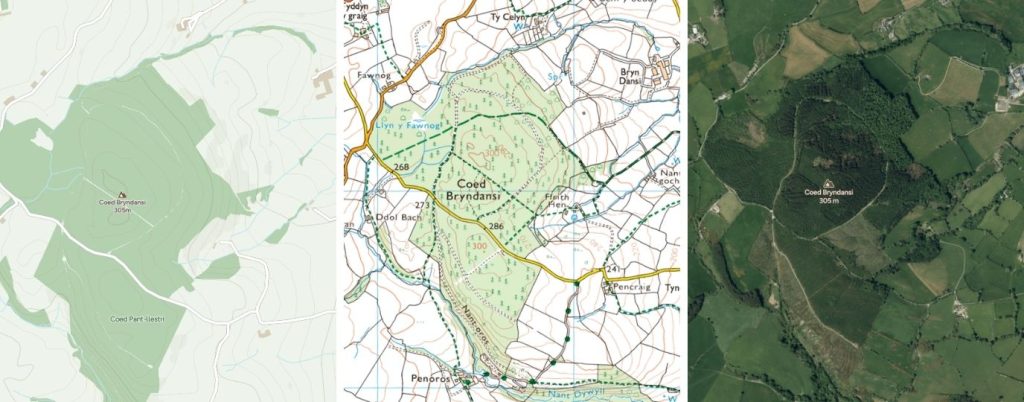
Understand what kind of landscape a footpath is taking you through.
Whilst OS Maps can’t tell you if a field has livestock in it, you can use it to easily see fields and enclosed pasture. You could avoid routes that go right through the middle of a sheep field during lambing season for example.
Find stiles, gates and dog friendly access points
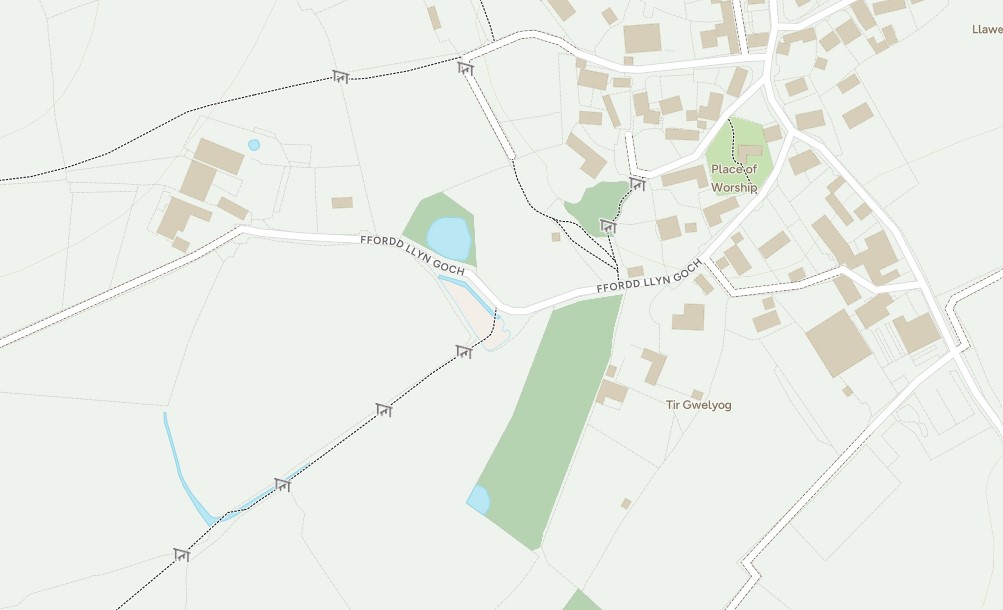
Most stiles / swing gates are shown on OS Maps on our standard mapping layer. This helps you decide whether a route is manageable for your dog. You can’t differentiate between the type of stile, but it gives a good indication of the entrance and exit points from a field with livestock if the path on the ground is not clear or you have lost your way.
Choose alternative paths if you want more space for a reactive dog
Some dogs can be reactive when on the lead. Use OS Maps to find Bridleways, byways and wide tracks which can can give you more room to manage your dog calmly on a lead. They are often good options in lambing season or when fields are busy with livestock.
Leave reviews, create alerts and be a part of our community.
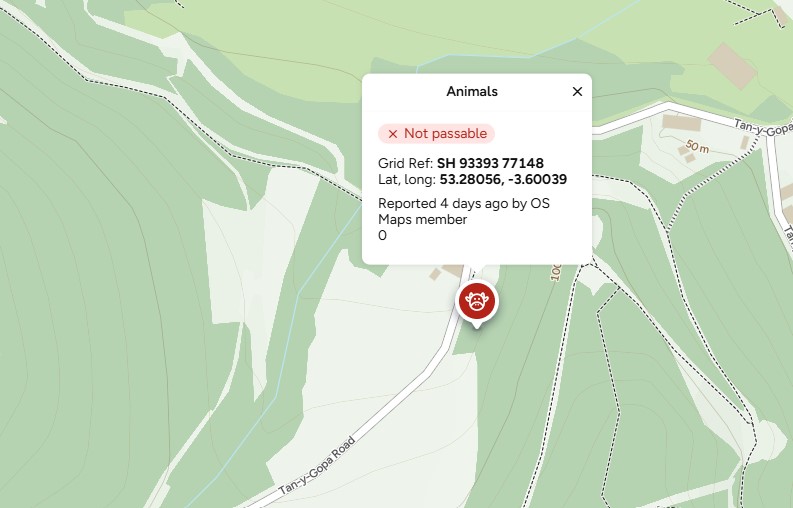
If you have something interesting to share about a route you have walked you can add a review and help others know what to expect. You can also add community alerts. Users can report hazards such as flooding, livestock or blocked paths, marking them as passable or not and uploading them to the app, where they appear on screen for others to see and verify if they’re still a hazard.
You are not limiting your walks. You are choosing routes that work for both you and your dog, which makes every trip outdoors more enjoyable.
By Hilary Pullen
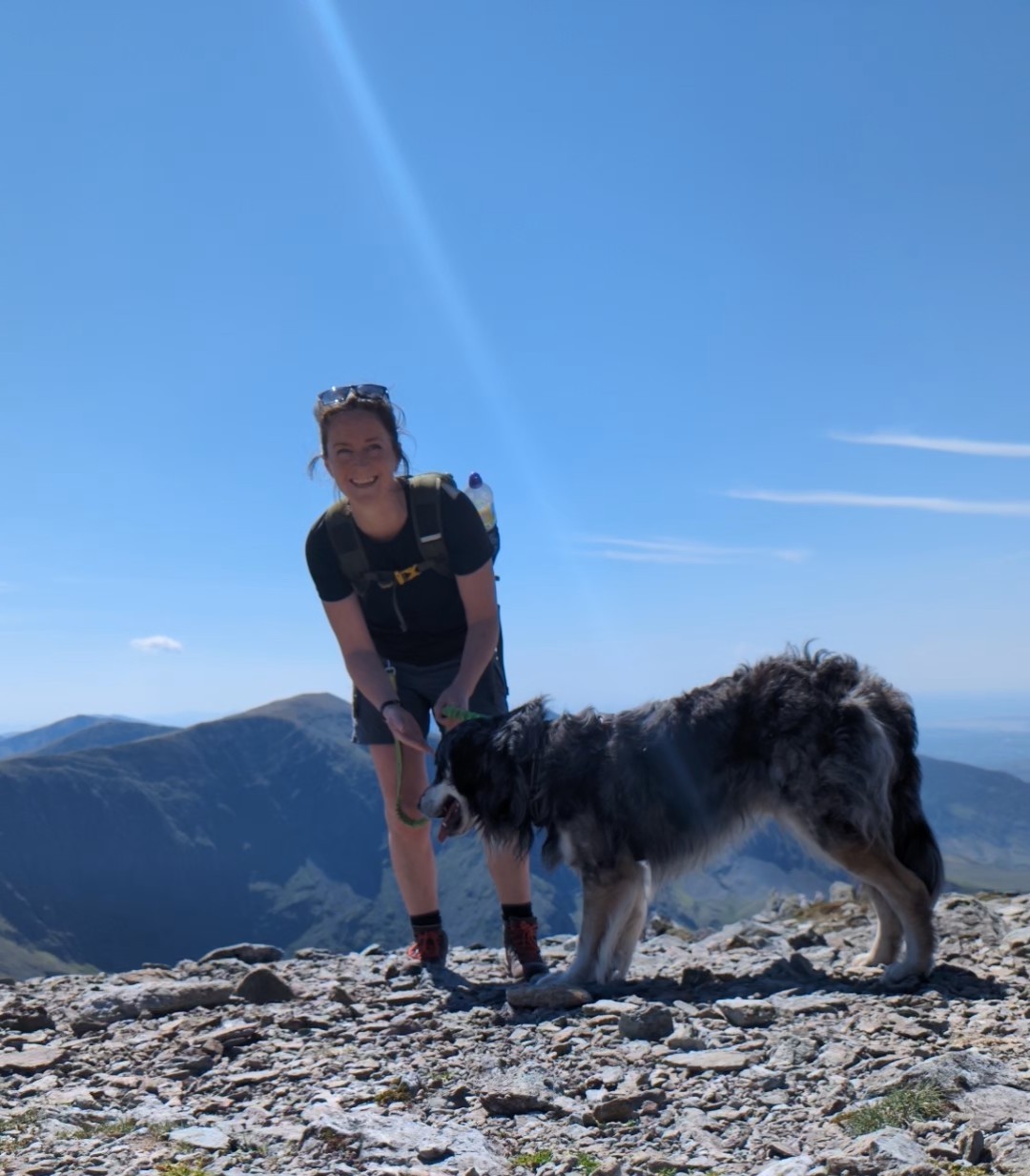
Meet Hilary, Editor of Get Outside – the Ordnance Survey Blog. Hilary is based in North Wales and loves hiking with her dogs in the mountains of Eryri and Bryniau Clwyd, you can find her on Instagram @nearlyuphill and read her guides to walking in North Wales on her blog. Drop her an email hilary.pullen@os.uk if you are interested in posting an article on Get Outside.