How to plan a bikepacking route: practical tips and lessons from experience
Route planning is an essential part of bikepacking and cycle touring. Here is a guide to planning a great route and minimising stress around it.
Don’t reinvent the wheel
You likely won’t be the first person to cycle tour in your chosen area, so start by typing your start and end points and ‘cycle route’ into a search engine. This will either give you a good base to start from or tell you that you may have to create an itinerary from scratch.
You may find established and signposted routes such as the Sustrans in the UK, Eurovelo in mainland Europe, or other official local routes. You may also find a ready-made route on bikepacking.com. This route may be perfect, but in all likelihood, you’ll have to adjust it to your plans and riding ability.
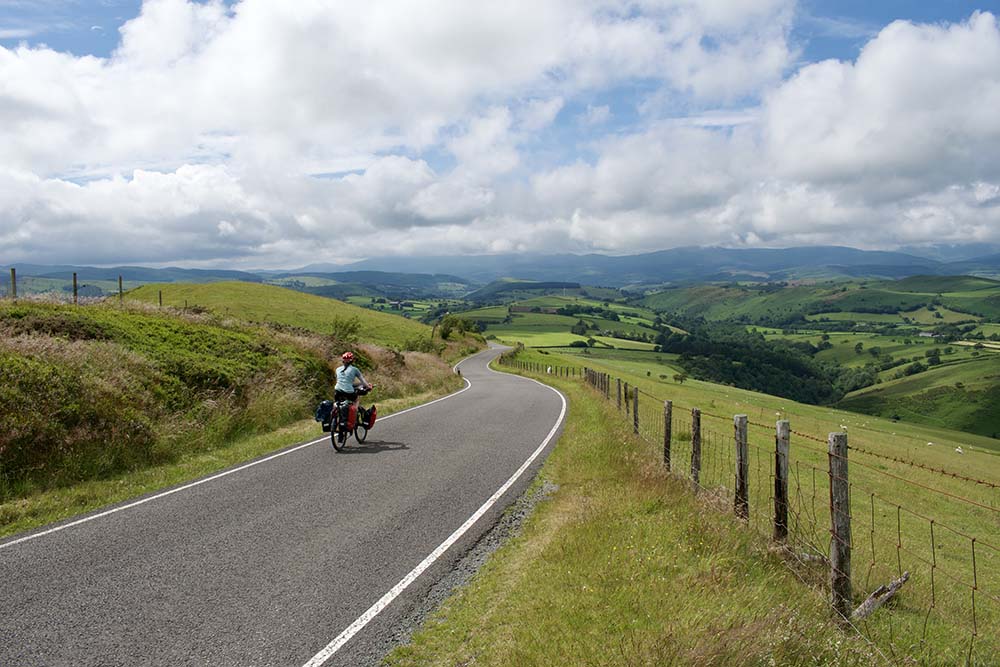
If you choose to ride a route that someone else has created, make sure to cater to your own levels of skill and fitness: a seasoned mountain biker will cover far more ground in one day than a beginner. Set your own daily goals, even if the creator of the route also suggests how they would split up the route.
Using apps to adjust existing cycling routes or create new ones
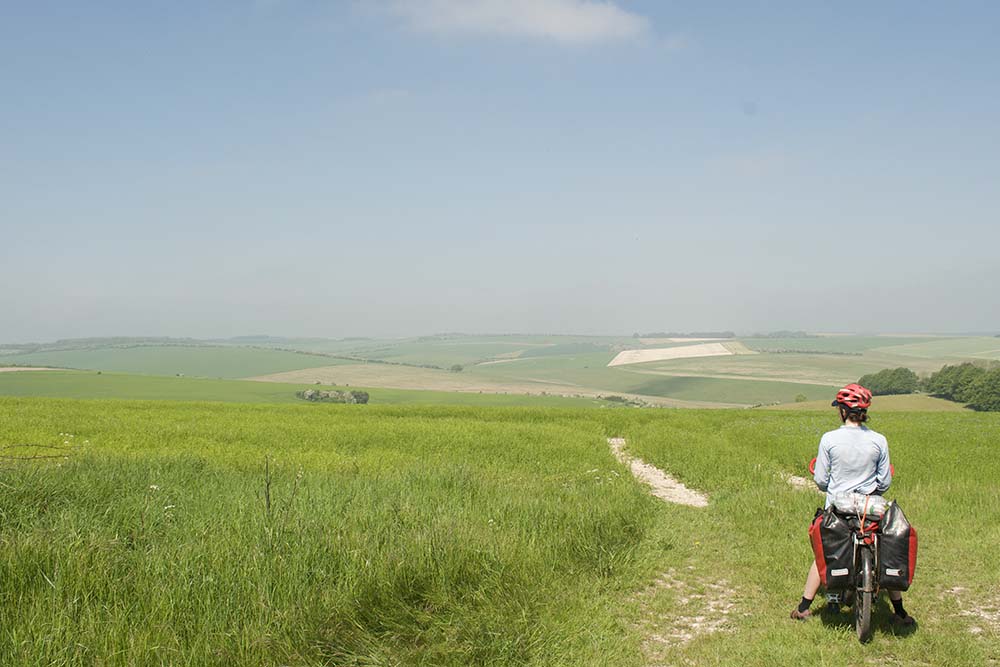
Learn to use at least one route-planning app well. I recommend one that includes knowledge of the surface (road, gravel, singletracks…).
There is a wide range of routing and navigation apps to choose from depending on your own preferences and your type of riding.
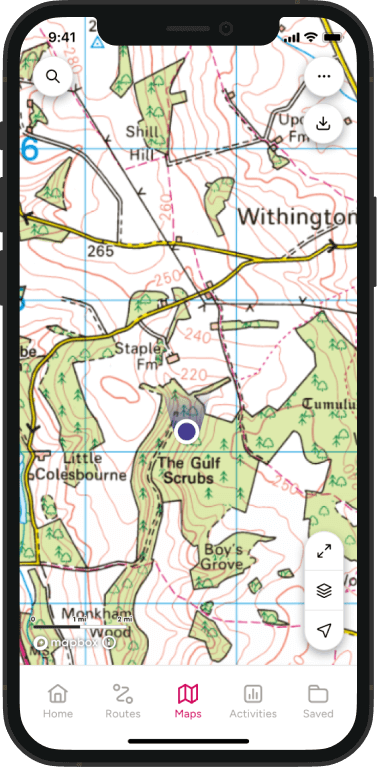
The most precise app you’ll find is OS Maps, which is particularly useful for off-road rides as it shows more paths than OpenStreetMap, on which several other apps rely. For an intuitive road planning tool and good offline map features, Ride with GPS could also be a good option. Strava is good at showing popular routes thanks to its heatmap function.
If you plan to cycle abroad, try to find out which navigation app is most popular where you are going: in some countries, Google Maps is less up to date or Komoot shows few highlights. Using the same app as locals will guarantee that you are working with the best information possible. In Canada, I was recommended a quadbike app to plan gravel bike rides through forestry roads. It was surprising, but it worked well.
Once you have chosen one or two apps, you can create a new route or use an existing one and modify it to include more points of interest or useful detours, for example cafes and campsites.

Choosing where to go bikepacking
Where you choose to ride will depend on your confidence, fitness, and the kind of experience you’re looking for. Some cyclists avoid sharing their space with cars as much as possible, while others may feel safer on a B road than on a deserted bridleway.
Whatever you choose, always check that cycling is permitted. Navigation apps can occasionally route you onto footpaths or private land, so it’s worth zooming in on the map and checking rights of way, access points, and any tricky junctions.
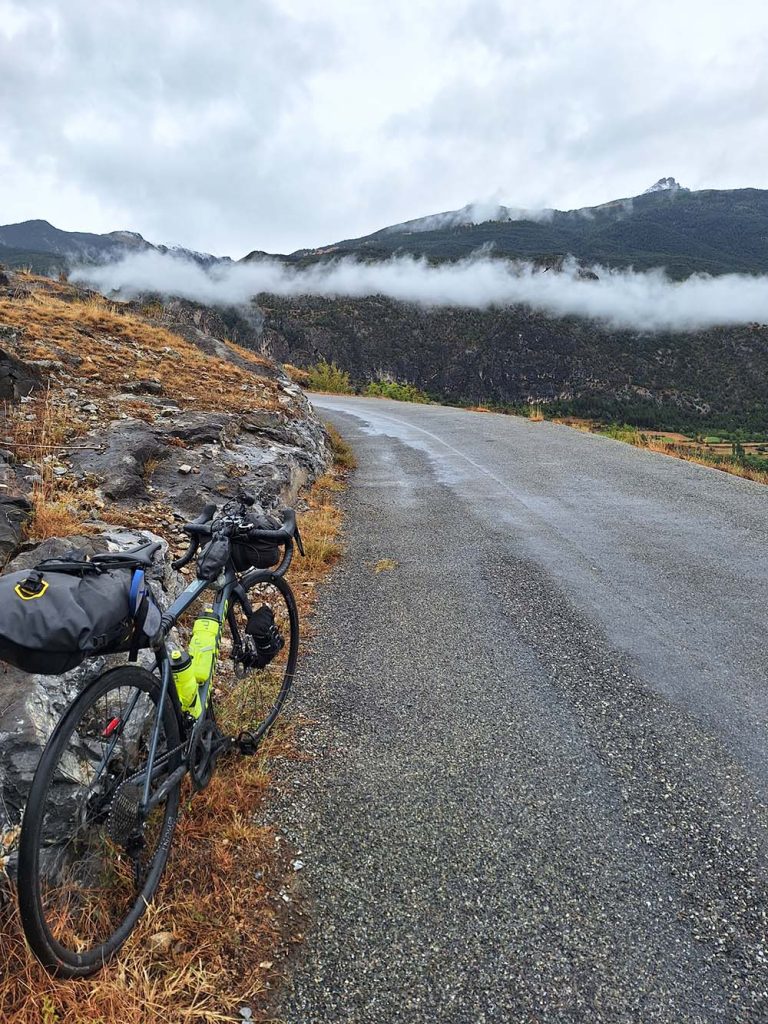
Over time, you’ll develop your own preferences and habits when planning routes. The following tips are based on lessons I’ve learned from years of bikepacking, and they can help remove some of the stress that often comes with creating an itinerary.
Tip 1: Plan detours, or the ‘zig-zag trick’
I’ve only started using the zig-zag trick recently, but I wish I had thought of it years ago: instead of drawing a point-to-point route with a couple of slight detours, for example local must-sees, I deliberately zig-zag to my destination. When I draw a loop, it is star-shaped.
This approach has two advantages. Firstly, it’s an excellent failsafe when something unexpected happens. If for some reason, you haven’t covered as much ground as you had hoped to or the weather makes you shy away from another long day in the saddle, you can shortcut your route and get back on track. It’s easy to bite off more than you can chew at first and end up exhausted or chasing a train to make up for having fallen behind schedule, but it is often avoidable.
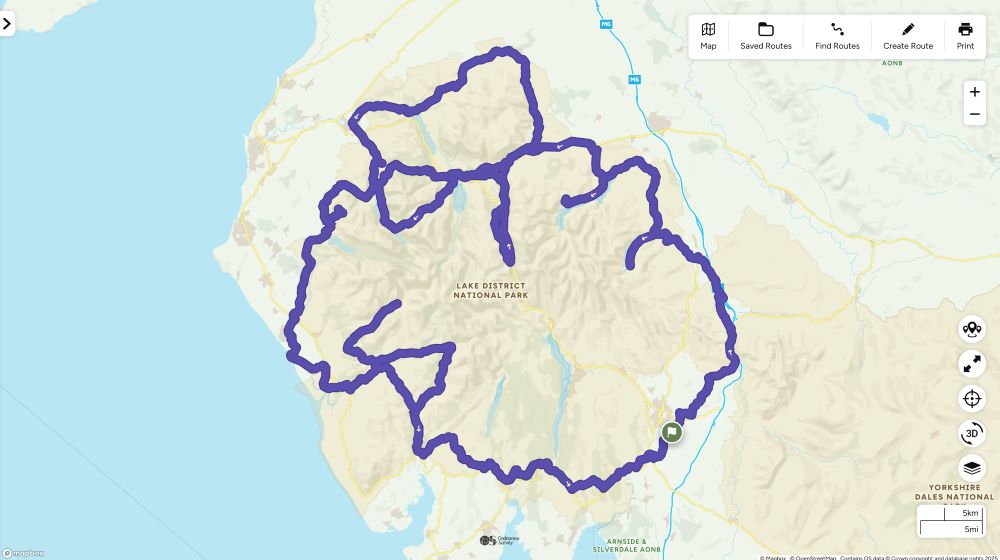
Secondly, it forces you to explore the region in depth. If you’re travelling by bike, it’s to fully immerse yourself in an area, so why not do just that through your routing? Getting off the beaten track, you will often end up in quieter areas and be pleasantly surprised by local attractions that are less publicised.
Tip 2: Expect to do some extra mileage, or ‘the 10% tax’
Whatever the route, whatever the continent, I have found that if I plan an 80-mile day on a bikepacking trip, my cycle computer will show about 88 miles by the end of the day. A small detour to a village shop and a couple of wrong turns will do that. So if you want to cover 50 miles daily, know that you’ll have to pedal about 55 miles. There’s nothing you can do about it. It seems to be a mandatory offering to the cycling gods. Plus, life would be less fun without a surprise vista after a wrong turn.
Tip 3: Most decisions are the right decision
Sometimes, decision-making is binary: good decision vs bad decision. For route planning, not so much. There may be some areas you want to avoid like boring suburbs or large roads and there may be some must-sees like a famous cathedral or a famous ice cream shop (whatever rocks your boat). However, for the most part, wherever you go will offer a good adventure. If you are planning a short holiday, you’ve probably already pinpointed a beautiful area, so even aimless meandering could yield great results.
In the end, several routes will have you think you made the perfect decision once you’ve had lots of nice experiences along the way, so don’t focus on choosing the one and only perfect option. When a routing decision comes up, my mantra is simple: almost any reason is a good enough reason to make a call.
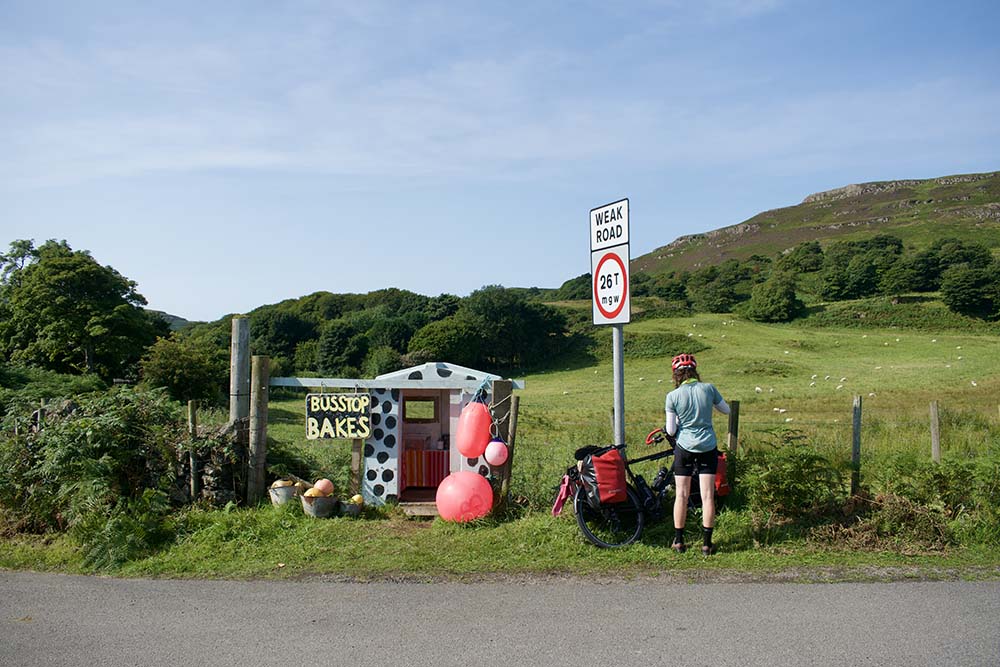
I no longer feel the pressure to ‘make the right call’, and it is so liberating. Earlier this year, instead of cycling the whole length of the southern bank of the St Lawrence river in Canada as I had initially planned, I took a ferry to cross the 20-mile-wide river to reach its northern bank, just because I suspected I might find a specific plant there. I did, and I was over the moon the first time I harvested labrador tea by the roadside. I was pleased to have changed course, but in the end, the other side would likely have been just as rewarding.
Tip 4: Whole-heartedly embrace your decision
While last-minute changes of plan and spontaneous decisions add fun to an adventure, it is worth committing to your bigger decisions. Once you make a routing choice and you are too far in to turn back, don’t start thinking of ‘what ifs’, wondering whether the grass is greener elsewhere. It could ruin a perfectly lovely route.
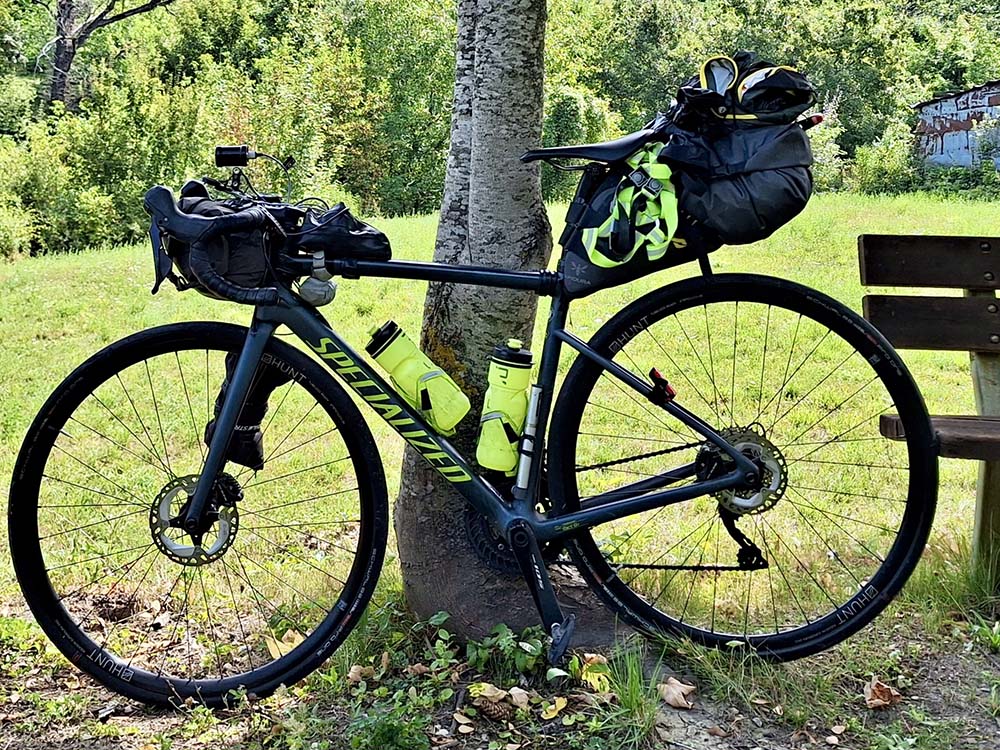
Some people are able to start a trip without a map or an idea of where they are going. While that is commendable, for many people, it sounds like an absolute nightmare.
You will never be able to plan a route perfectly, and that is the charm of adventure. Choose an app or two, experiment with them, and enjoy your trip, wherever you end up.
EXPLORE THE
OS Shop
We are with you every step of the way. Shop our trusted walking and hiking maps and guidebooks so you can explore the outdoors with confidence.
Go to the shopDownload OS Maps Today!
By Emma Karslake
Emma Karslake is an adventurer, writer and cycle tour guide who has spent much of the past eight years exploring the world by bike.
She is a passionate advocate for slow travel as a means to reconnect with nature, embrace minimalism, and discover alternative ways of living.
She is particularly keen to empower others, especially women, to embrace solo adventures, and she shares both practical guidance and philosophical reflections through her writing. You can sign up to her newsletter for monthly updates.
www.emmakarslake.com
Instagram: @emma_up_cycles